
Which Bible Should I Get? A Pastor's Guide to Translations, Versions & Finding the Right Fit
Disclaimer: This post contains affiliate links to some of the Bibles and resources we mention. If you make a purchase through one of those links, we may earn a small commission at no extra cost to you. Thank you so much for your support — it helps us keep bringing hope home to you every week!
If you've ever walked into a Christian bookstore, stared at an entire wall of Bibles, and walked out completely overwhelmed — this post is for you. Which version is best? What's the difference between them all? What should I get my kids? These are some of the most common questions Bryce and I get as pastors, and we absolutely love answering them.
We recently dedicated an entire episode of our Bringing Hope Home podcast to this very topic, and we're so excited to bring that conversation to you here. Whether you're brand new to faith, shopping for a teenager, or just ready to go deeper in your Bible study — by the end of this post, you'll feel informed, excited, and ready to open God's Word.
🎧 Want to listen instead of read? Catch the full episode of Bringing Hope Home wherever you listen to podcasts!
Why Are There So Many Bible Versions?
This is the first question almost everyone asks, and it's a great one. The simple answer? A few reasons:
1. Language changes over time. The way we speak and write today is very different from how people spoke in the 1600s — let alone in ancient Hebrew, Greek, and Aramaic. Bible translators have worked hard over the centuries to make the original text accessible to modern readers.
2. Translation is a process, not a perfect science. When you move from Hebrew, Greek, and Aramaic into English, translators have to make choices. Some versions lean toward word-for-word accuracy. Others aim for thought-for-thought readability. Some are full paraphrases. Each approach has its place and purpose.
3. We American people love our options! Publishing companies like Zondervan recognized that and began commissioning new translations — particularly from the late 1960s onward — to help people connect more personally to God's Word.
Think of it like Baskin-Robbins and their 31 flavors — there's something for everyone. The goal isn't to confuse you. It's to help you find the version that makes the Word of God come alive for you.
A Quick Note on Bible Translation Types
Before we get into specific versions, here's a simple framework to understand:
Word-for-Word (Formal Equivalence): These stick as close to the original text as possible. Best for deep study. Examples: KJV, NKJV, NASB, ESV.
Thought-for-Thought (Dynamic Equivalence): These translate the meaning of the original text in natural, modern language. Great balance of accuracy and readability. Examples: NIV, NLT.
Paraphrase: These are someone's interpretation of the meaning, written in very modern, conversational language. Great for reading and devotionals, but not ideal for deep doctrinal study. Examples: The Message, The Passion Translation.
Think of it this way: If something happened at a ballgame, you'd rather hear from an eyewitness than a second or third-hand account, right? That's the difference between a word-for-word translation and a paraphrase. Both have value — just know what you're reading.
A Breakdown of the Most Popular Bible Versions
📖 King James Version (KJV) — Published 1611
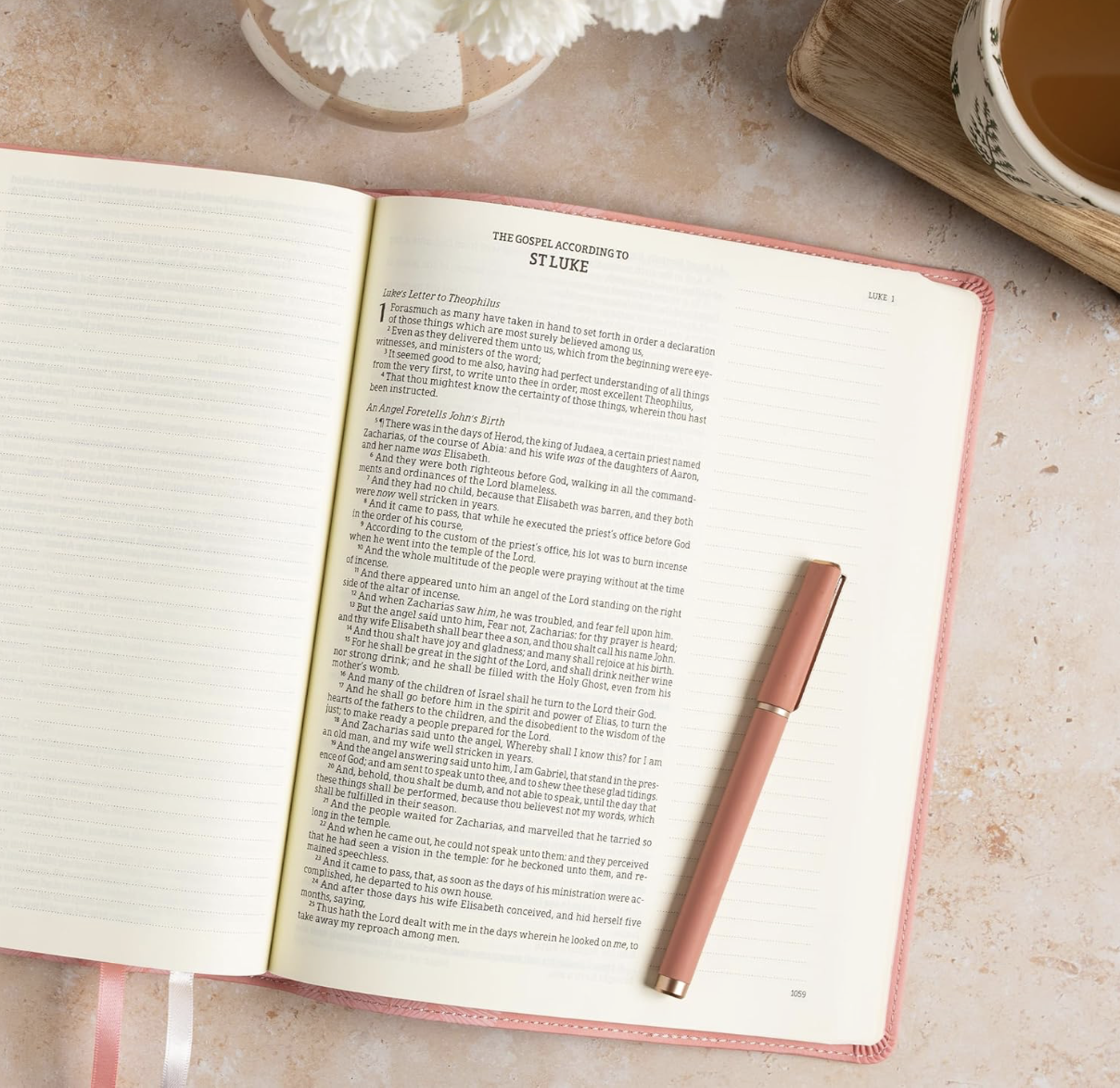
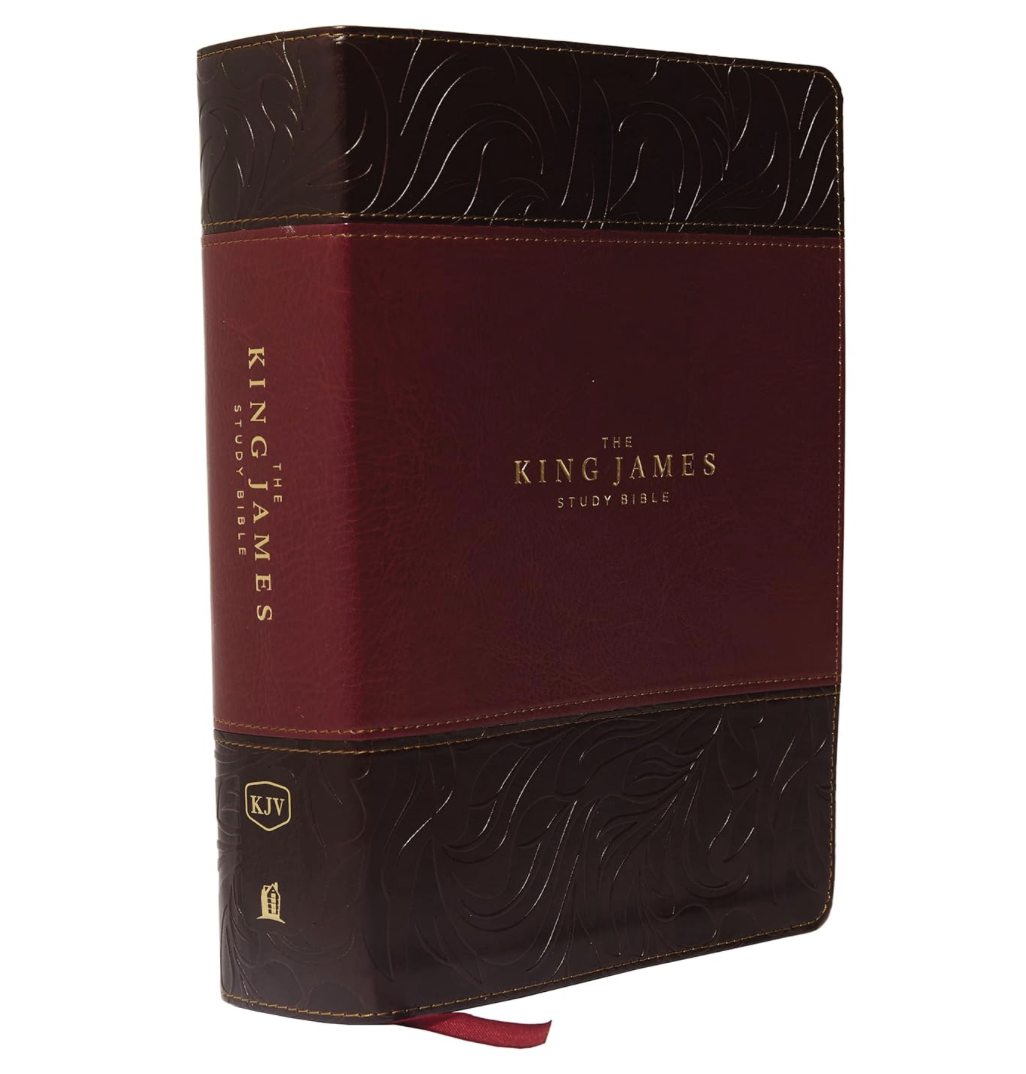
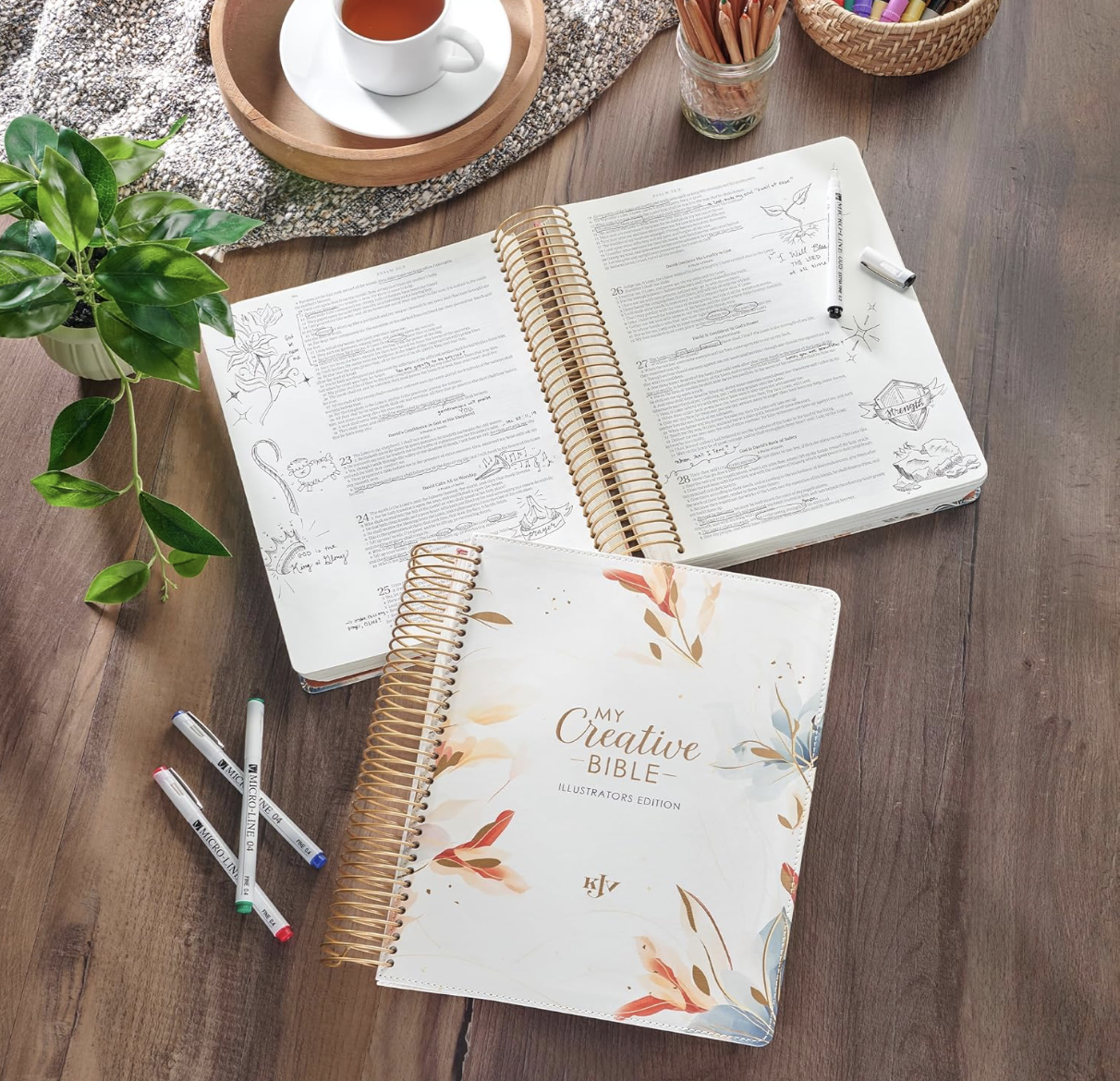
The original standard-bearer. The KJV has been one of the most influential books in the history of the English language. Yes, the "thees" and "thoust" can feel foreign at first, but there is something deeply beautiful and reverent about reading it.
I'll be honest — I was a little nervous to read the KJV this year, but I decided to challenge myself and got a KJV Journaling Bible. It has been amazing. So many verses I memorized as a little girl came rushing back to me, and reading them again felt like coming home. (Click on the pictures to see details about each Bible.)
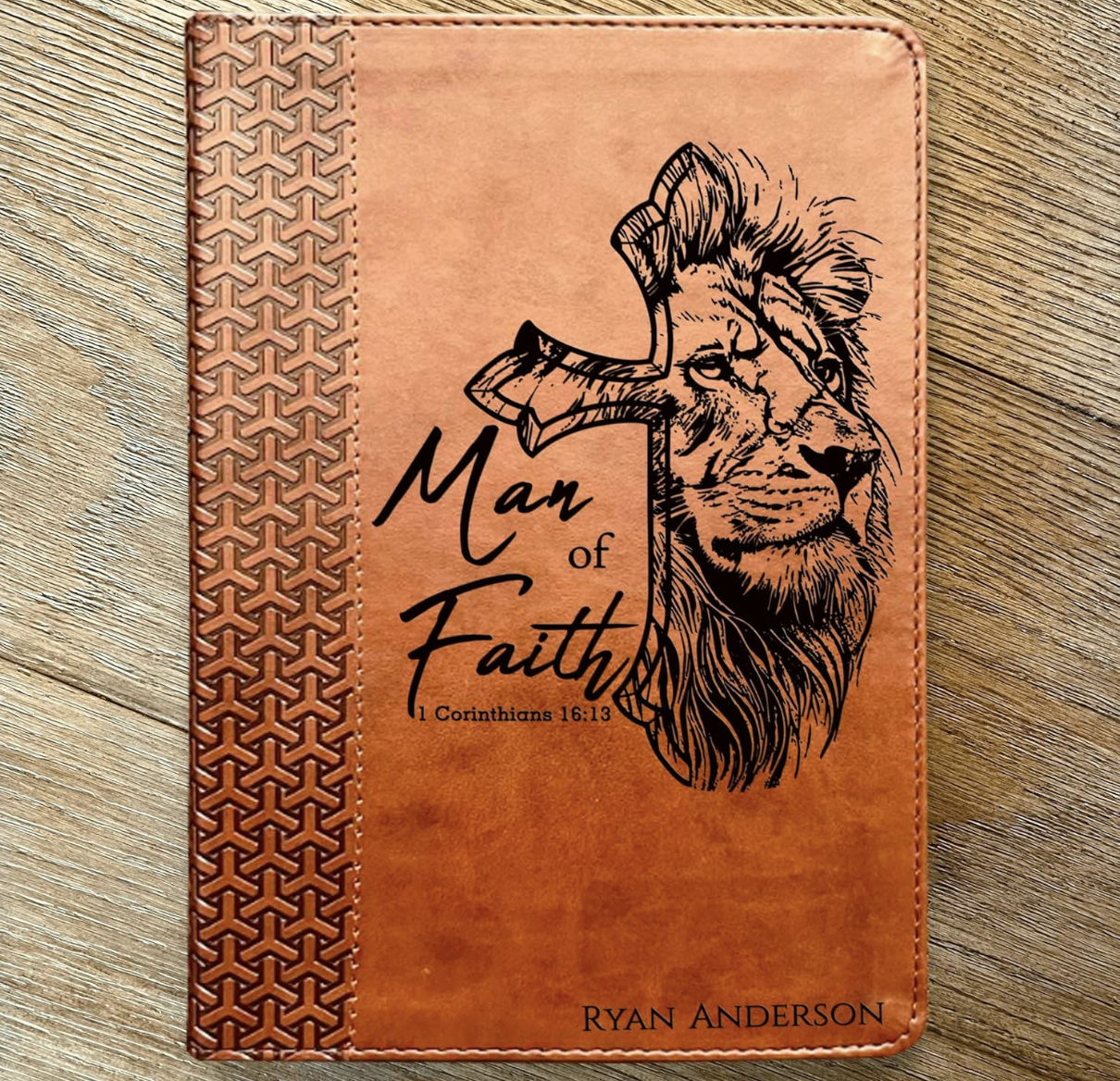
📖 New King James Version (NKJV) — Published 1982
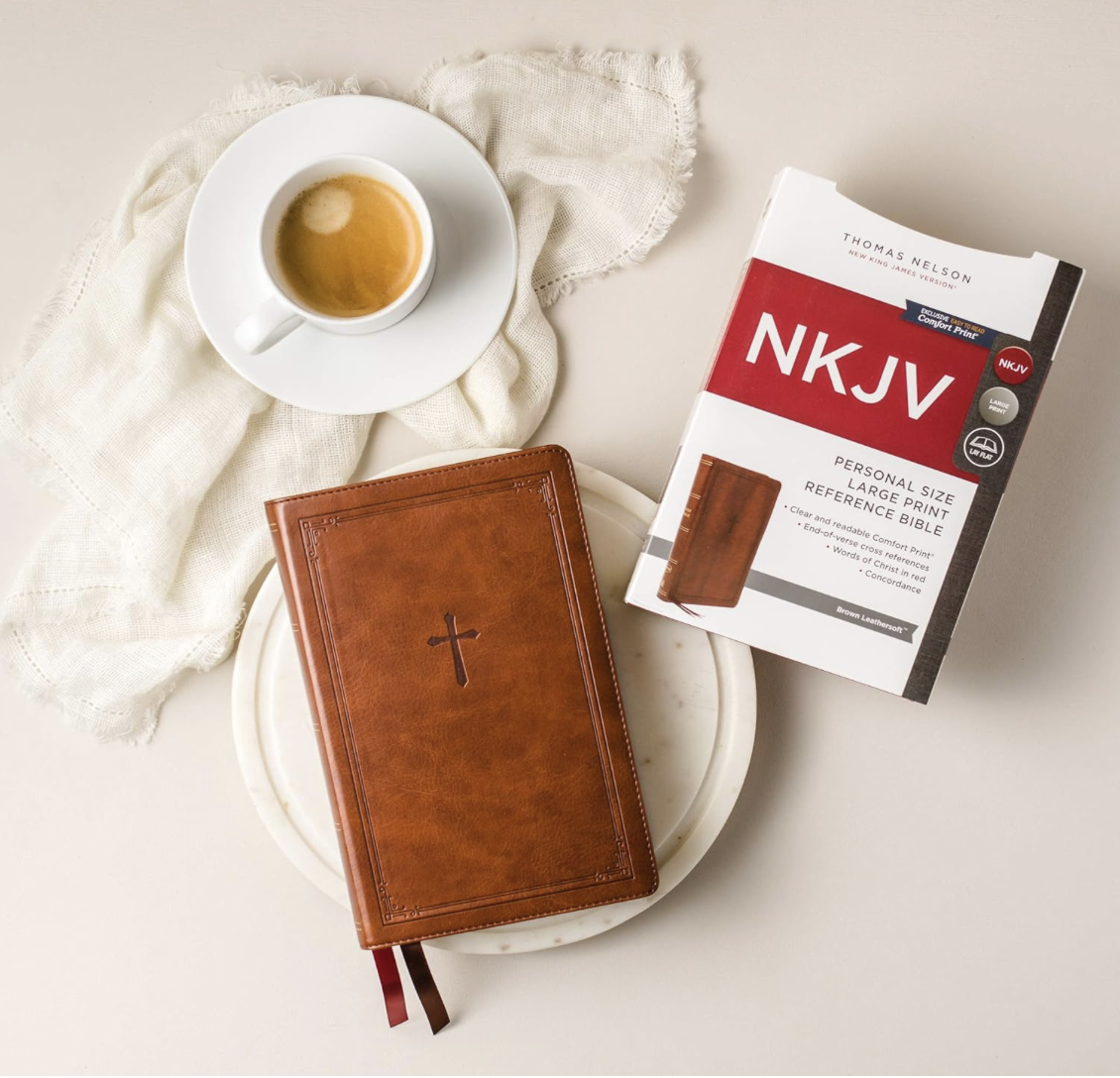
This is the version we use in our church services at New Hope Church. The NKJV keeps the beauty and accuracy of the King James while replacing the old English with modern language. It was translated by 130 scholars and is a strong, reliable, word-for-word translation.
This is Bryce's favorite version for personal Bible study, and for good reason — it's accurate, readable, and trustworthy. (Click on the pictures to see details about each Bible.)
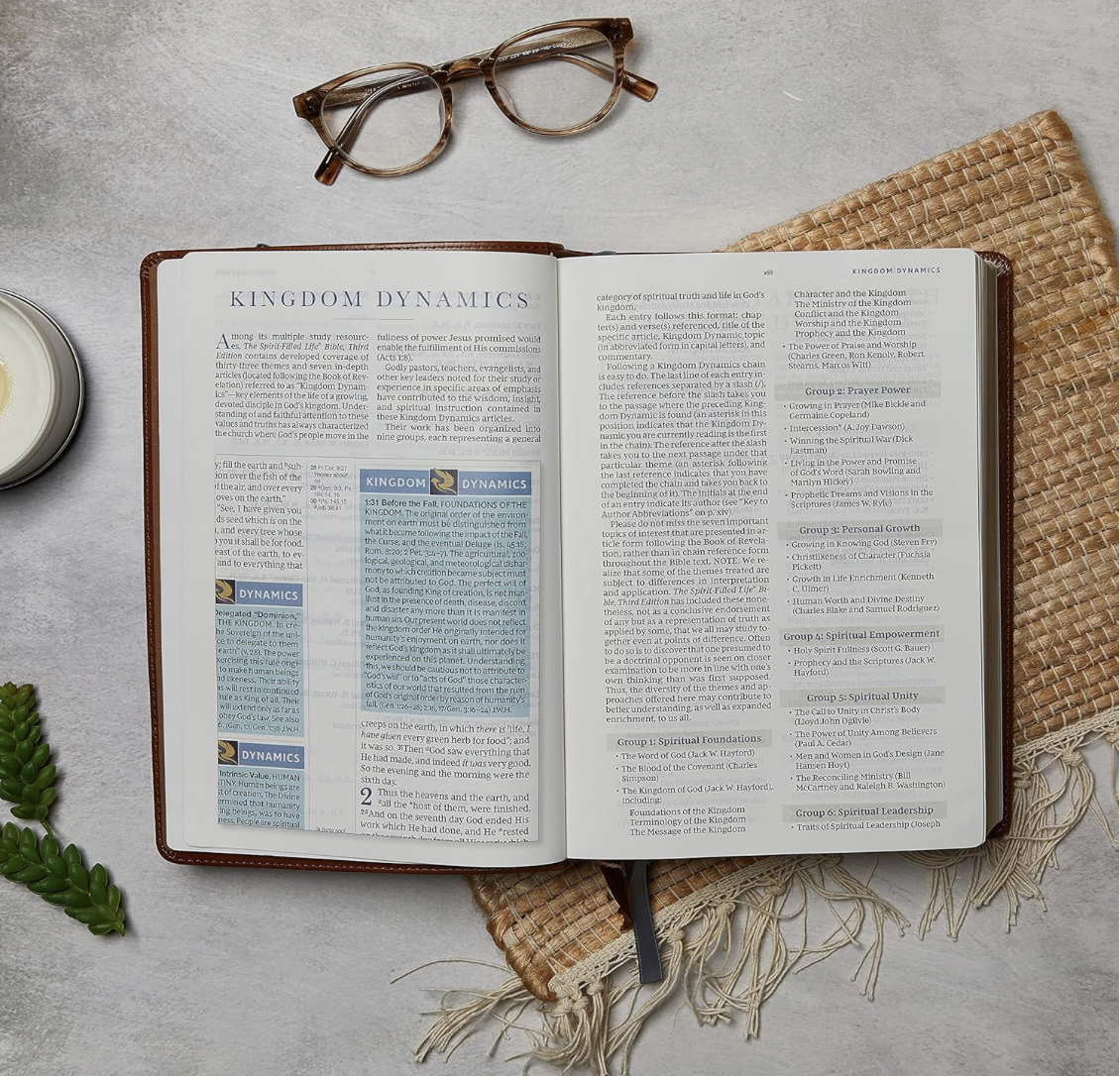
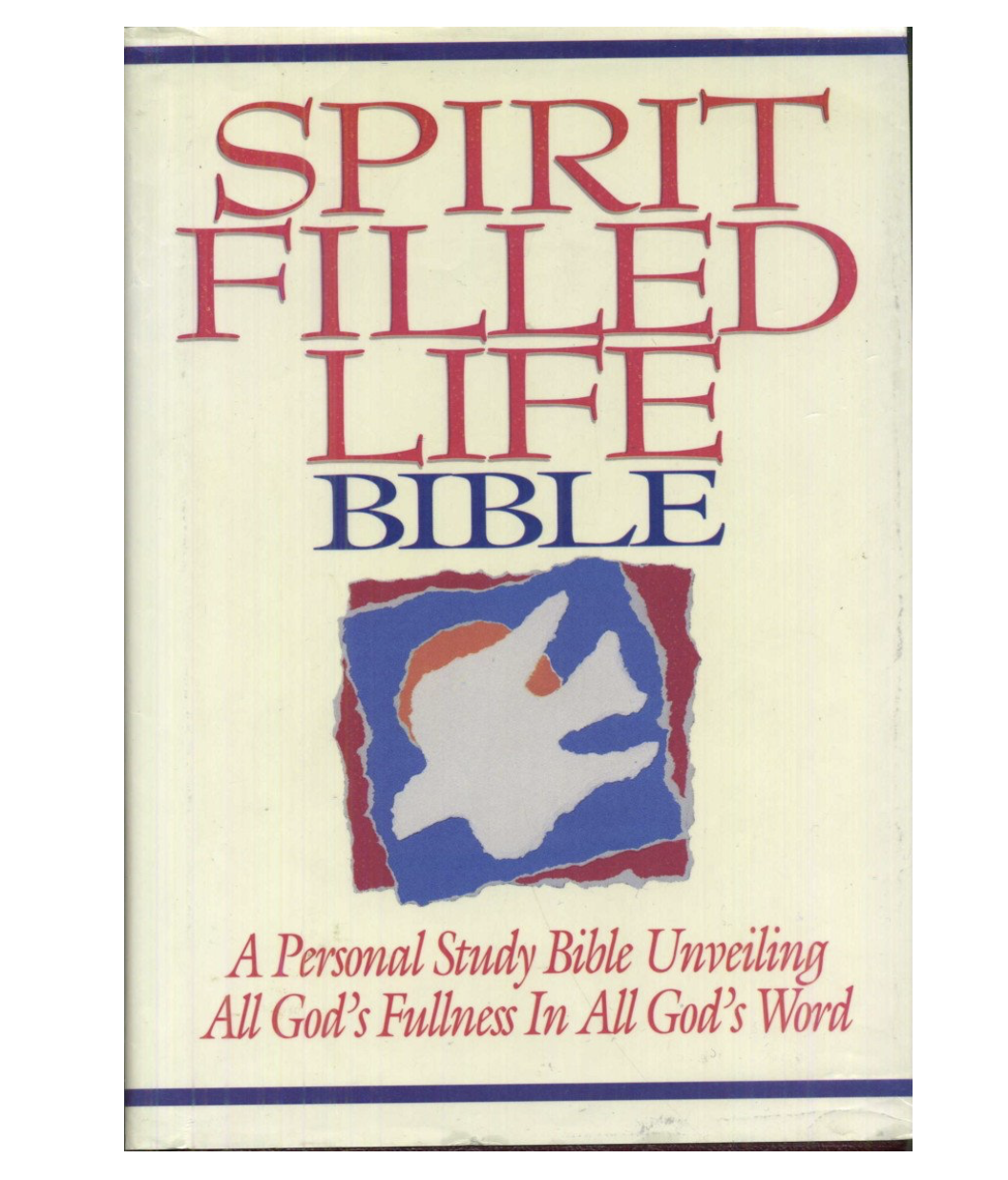
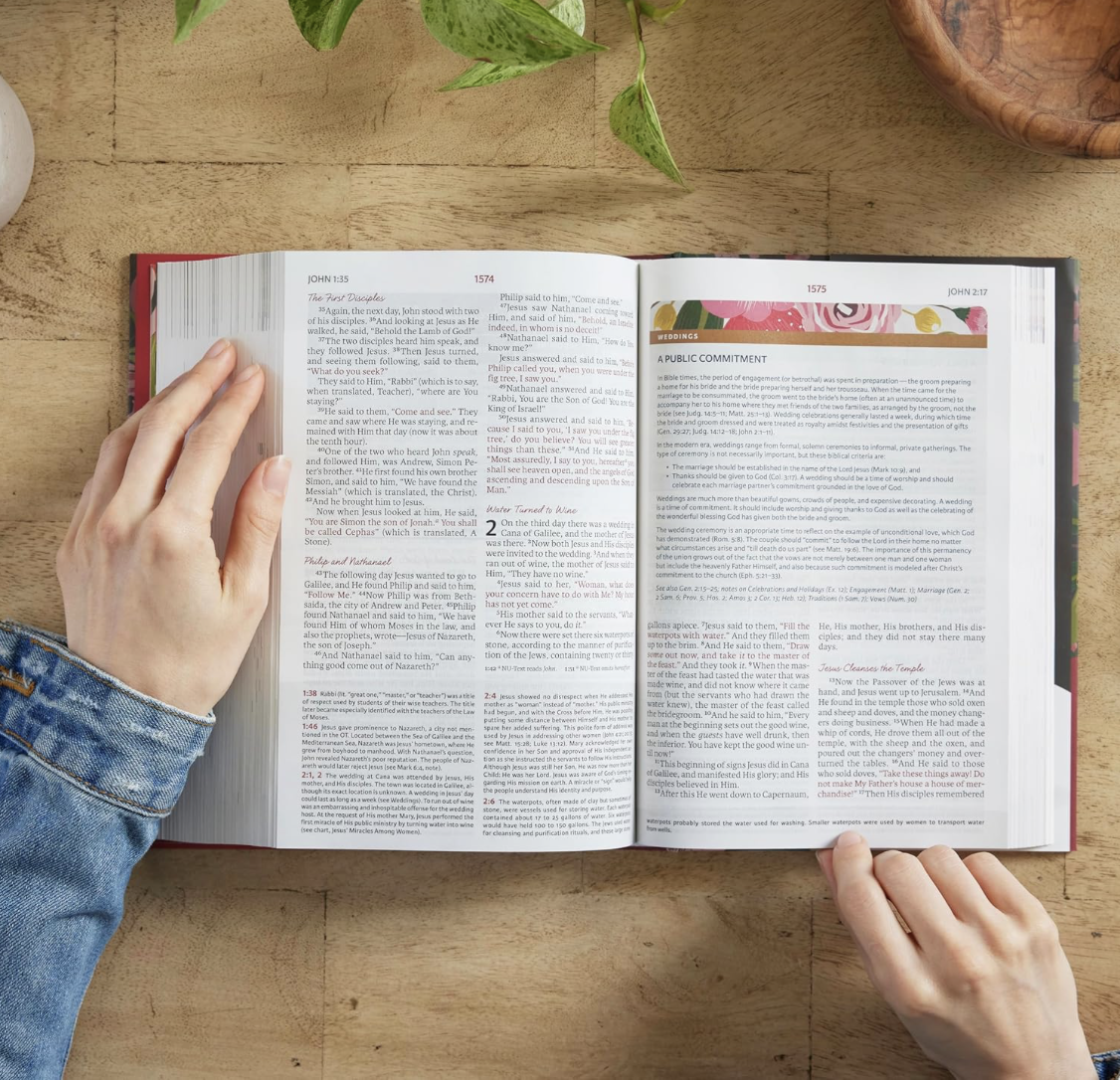
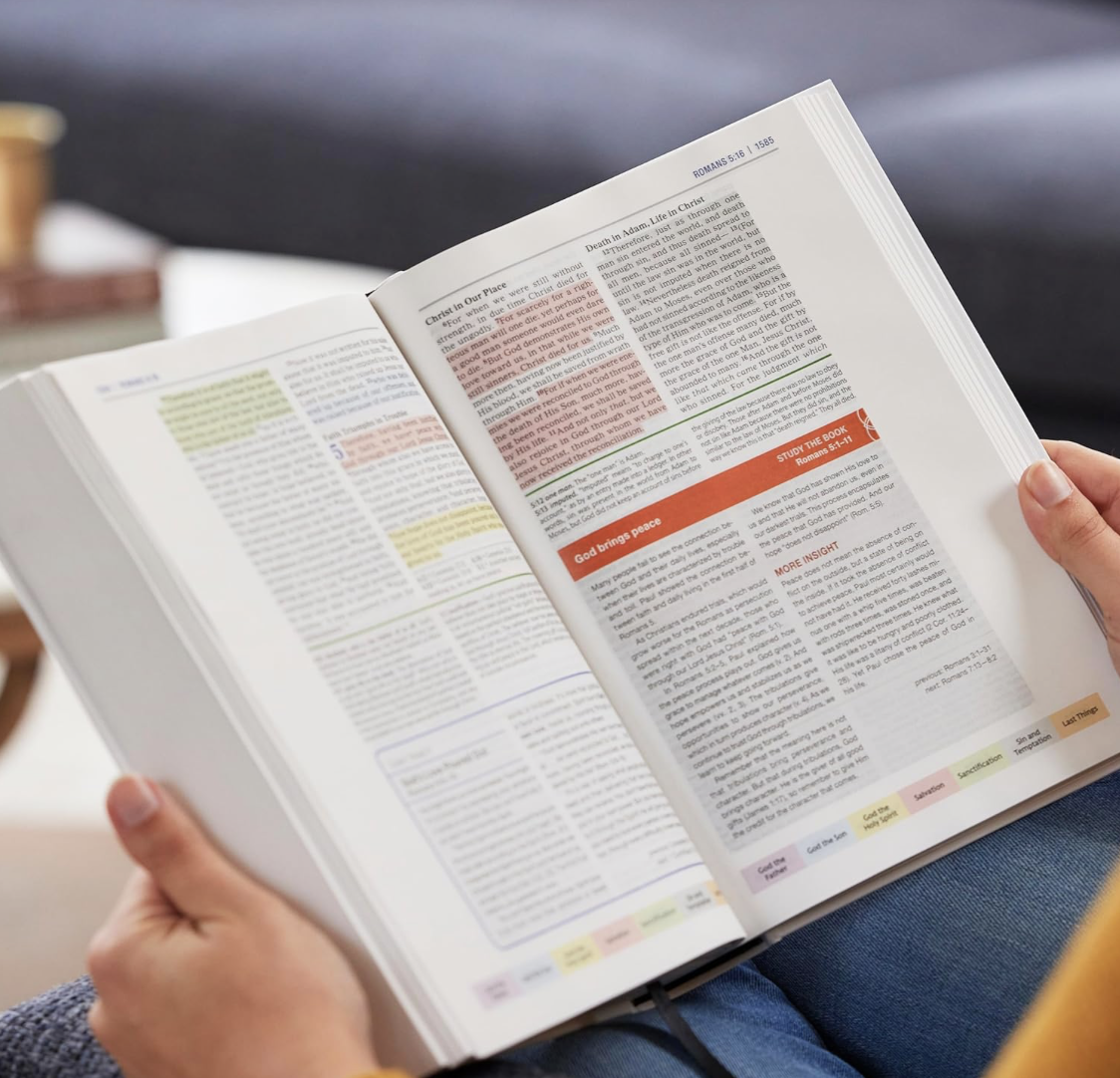
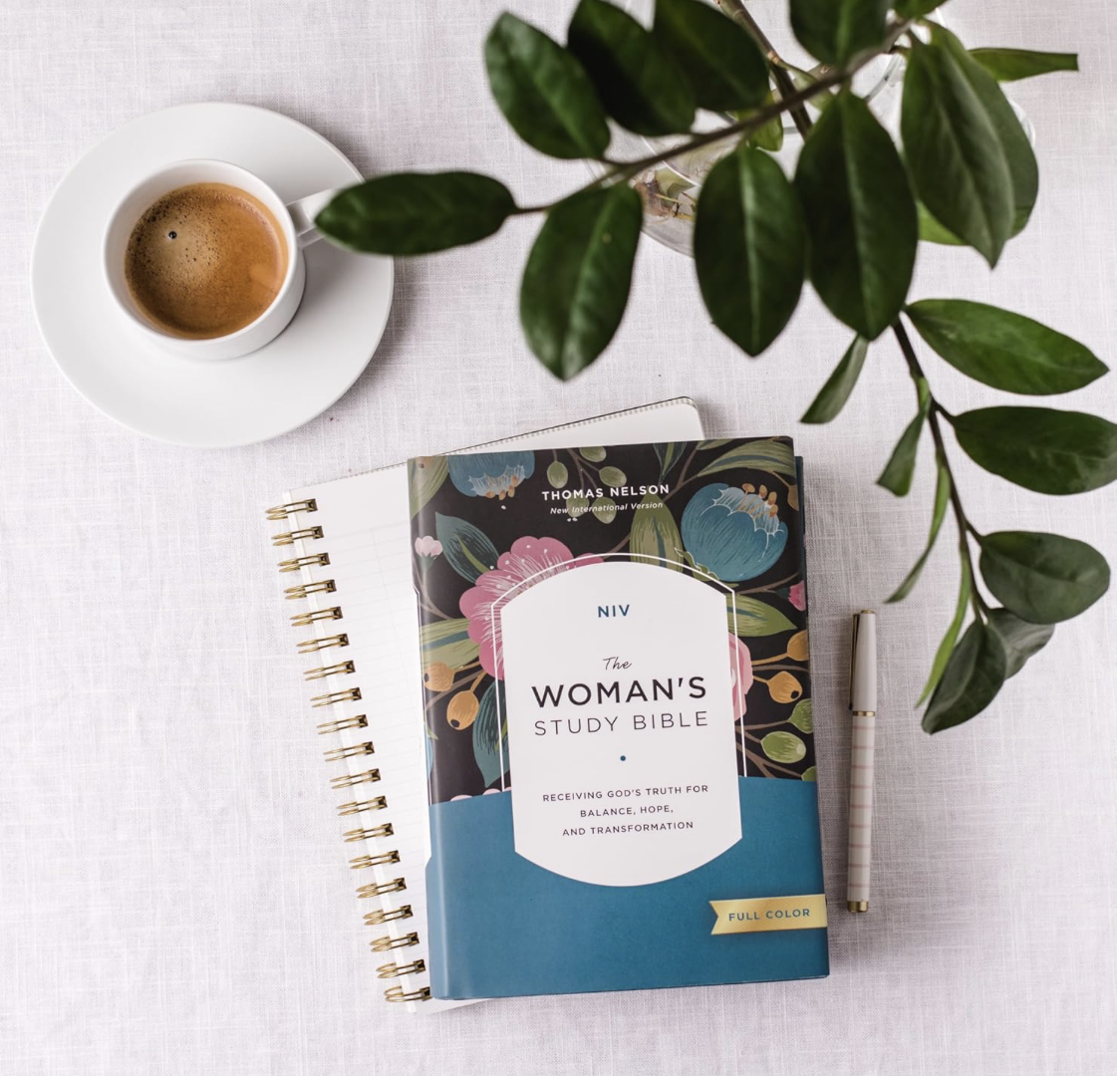
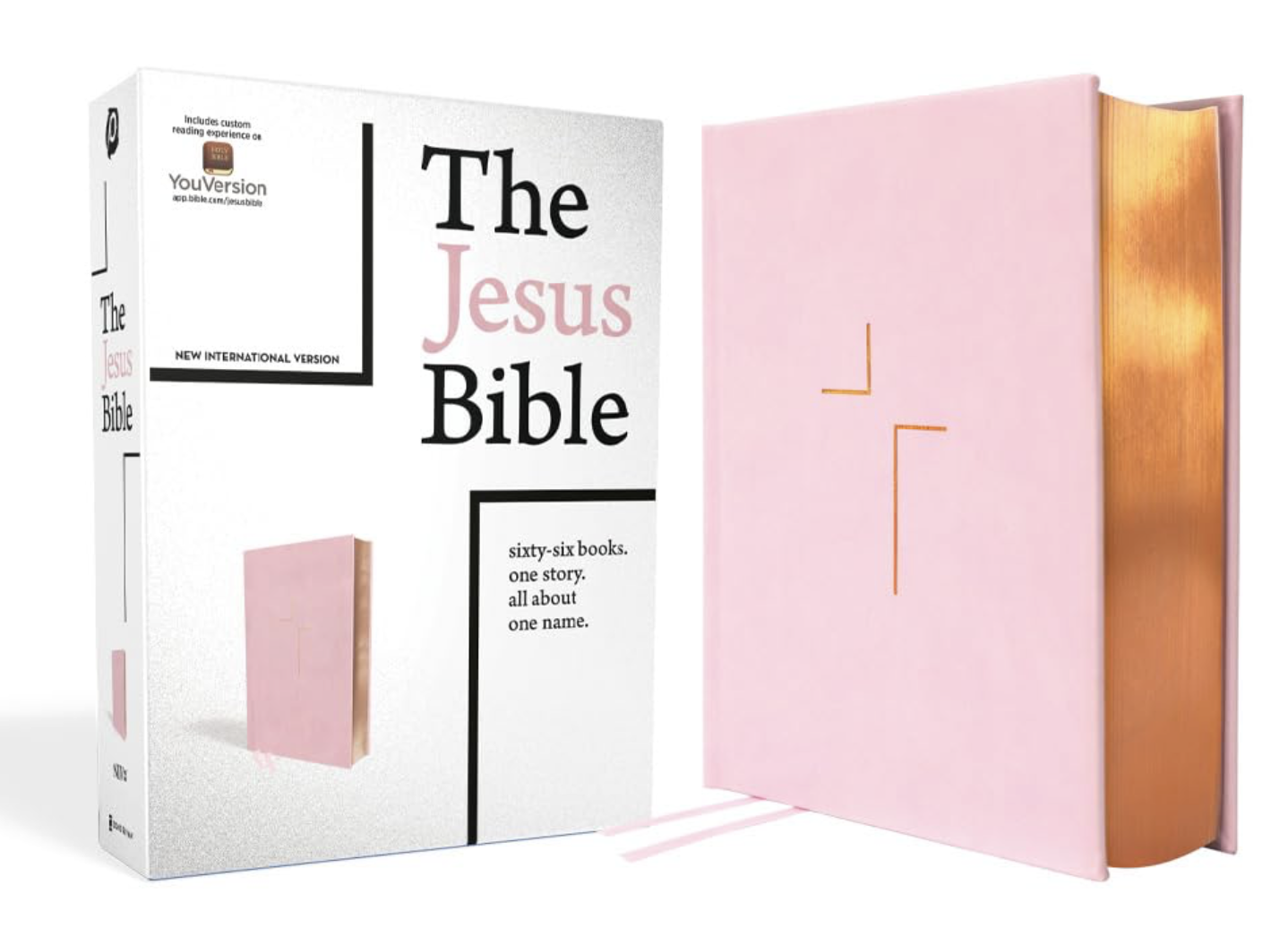
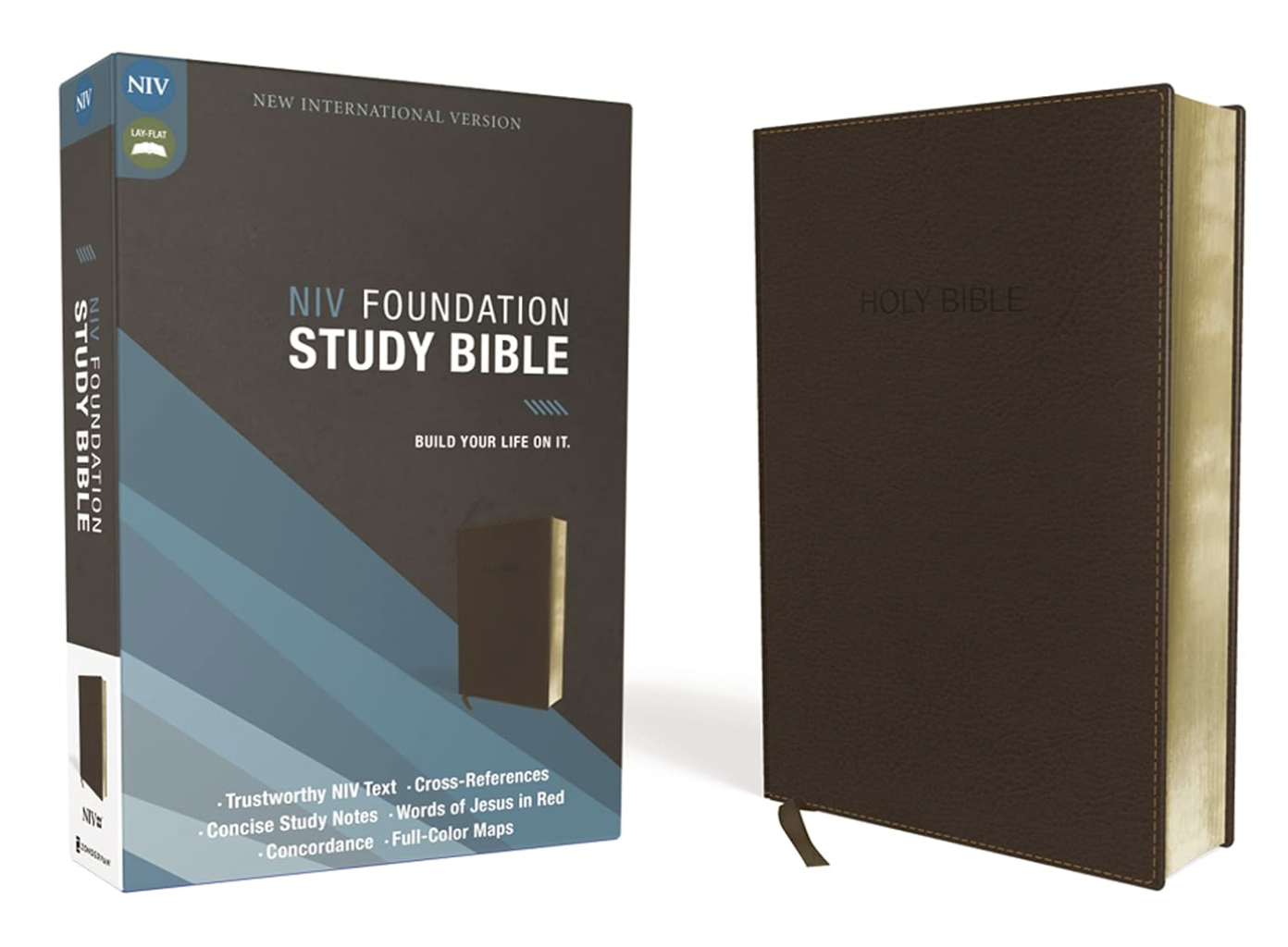
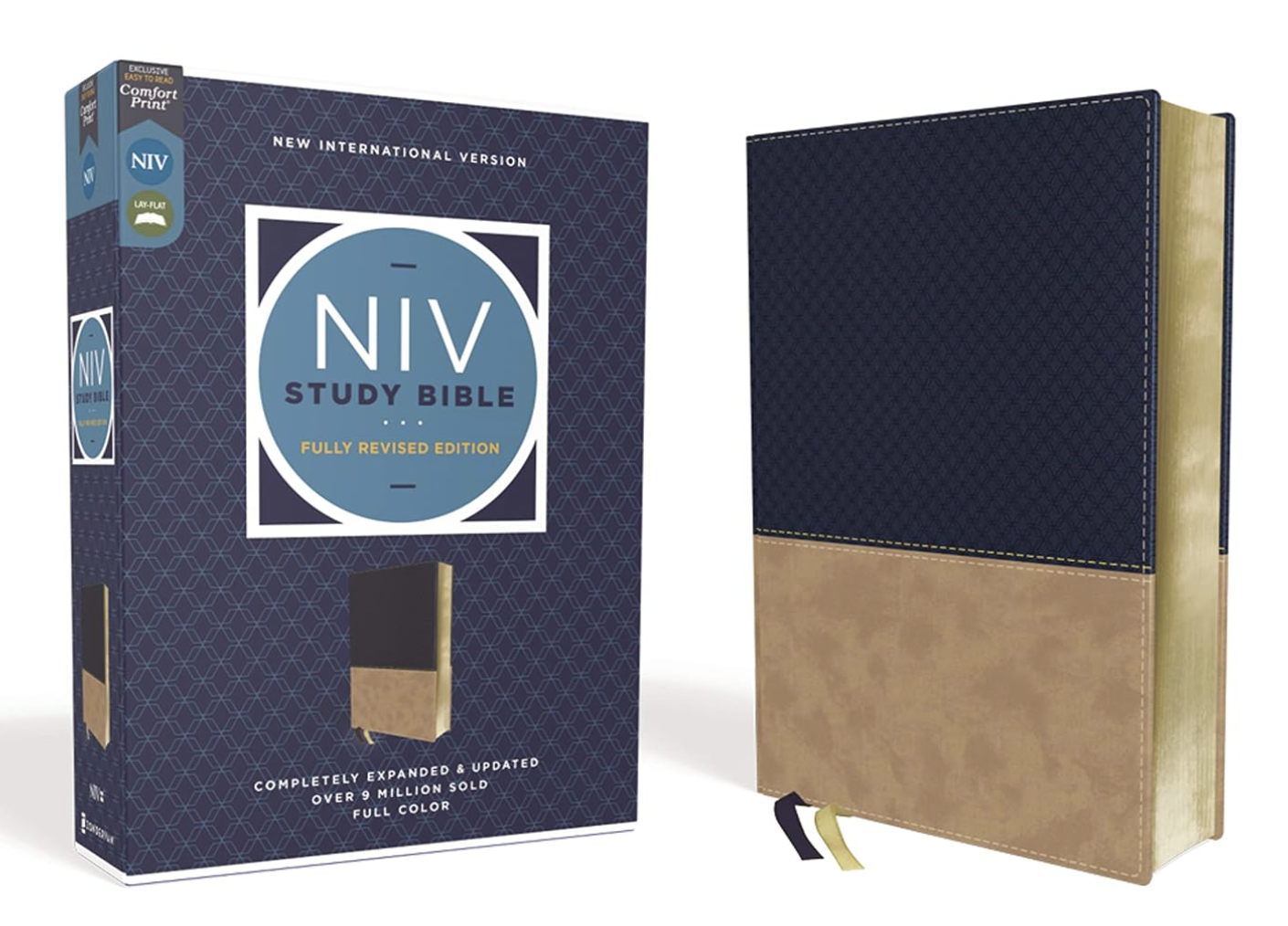
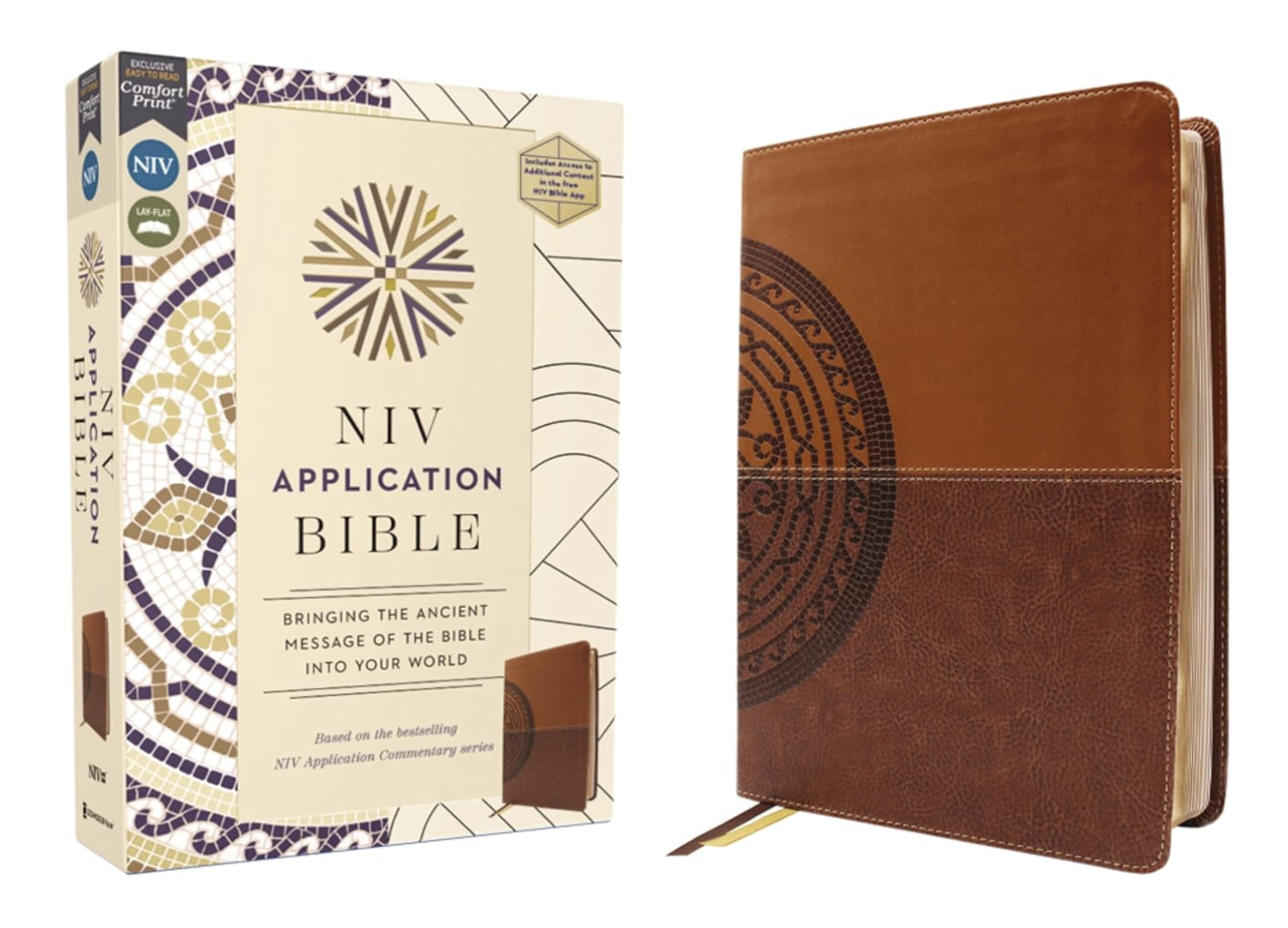
📖 New International Version (NIV) — Published 1978, Revised 2011
If you grew up in a Protestant church in the last 40 years, chances are this is the Bible you know. The NIV was commissioned by Zondervan and translated by over 100 scholars with the goal of balancing accuracy and readability. It sits right in the middle of the word-for-word to thought-for-thought spectrum.
The NIV was the first Bible I (Bryce) read all the way through in college, and I still pull it out and flip through my old notes. It's a wonderful first Bible for new believers and a solid everyday reading Bible. (Click on the pictures to see details about each Bible.)
📖 English Standard Version (ESV) — Published 2001
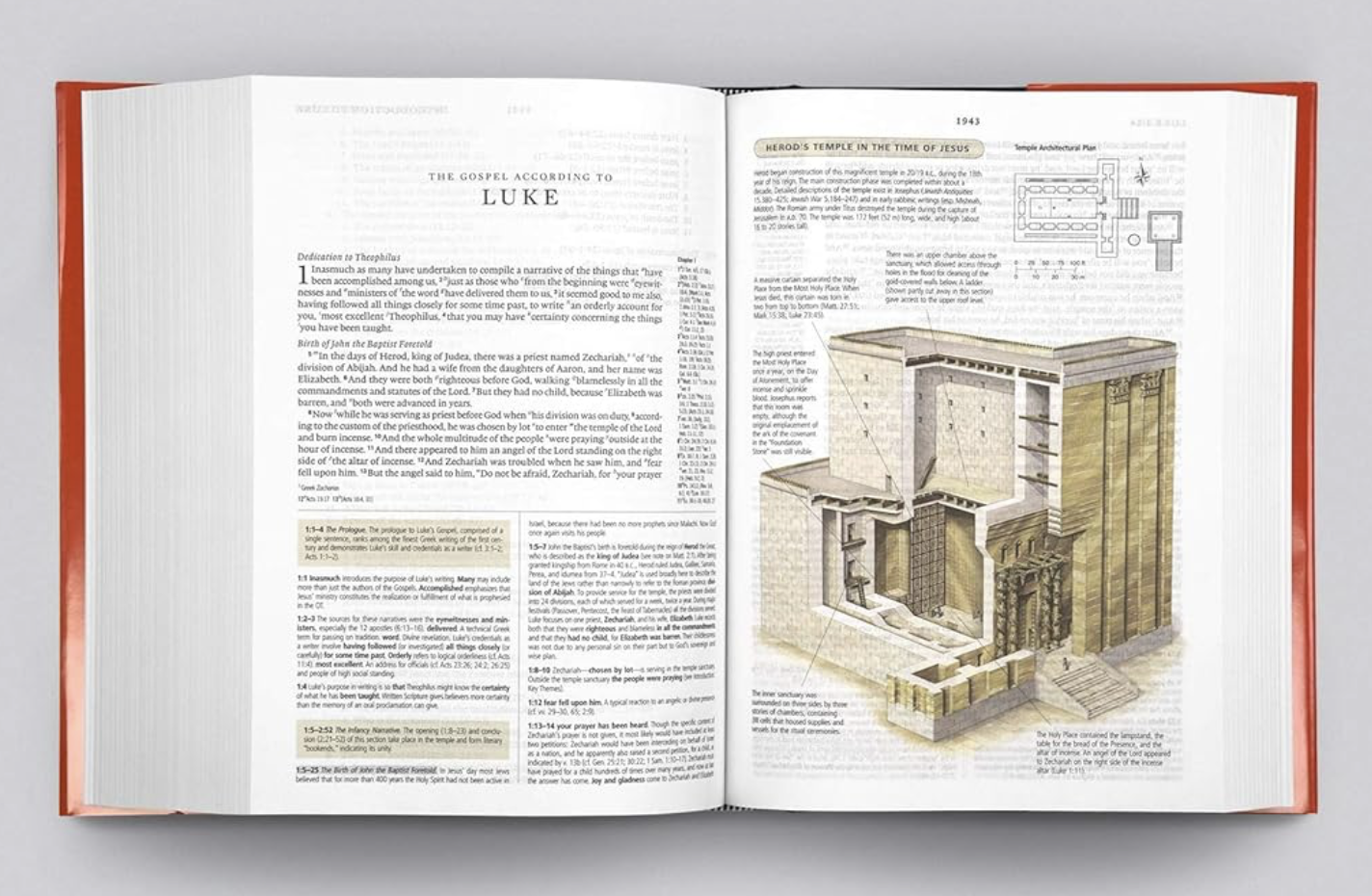
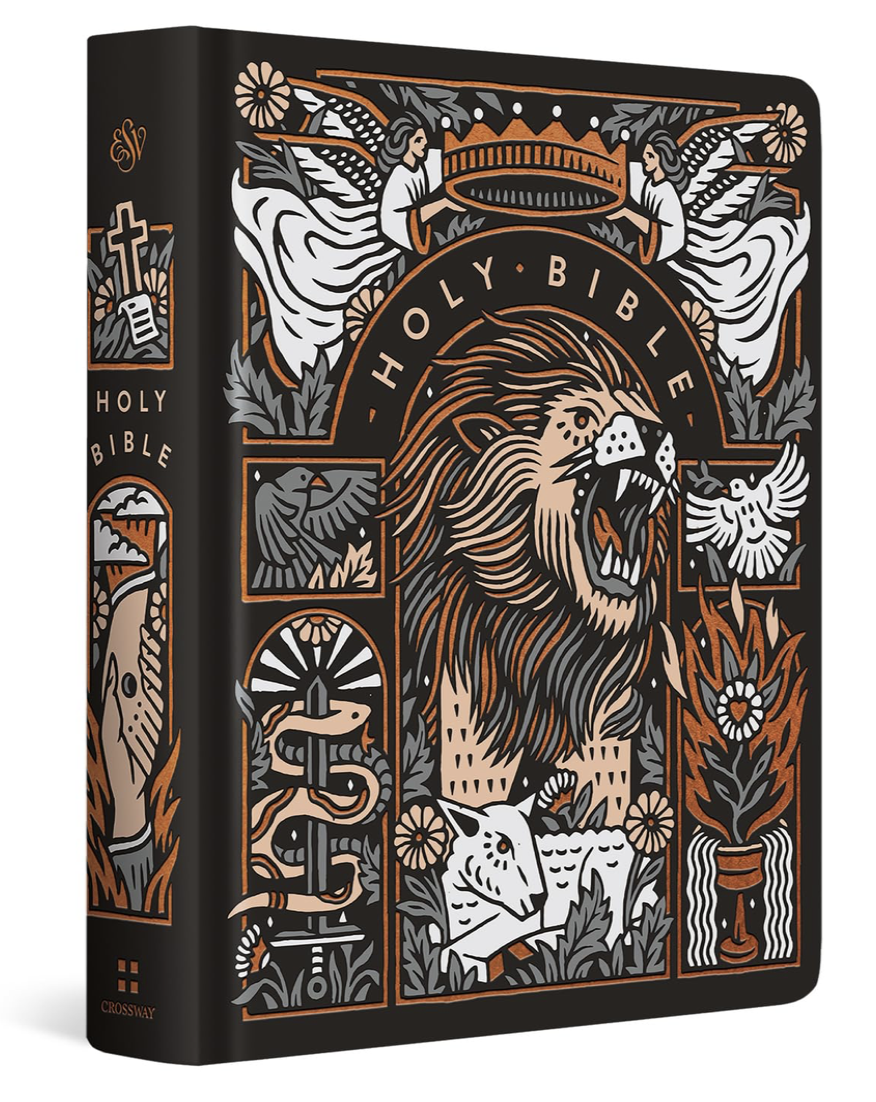
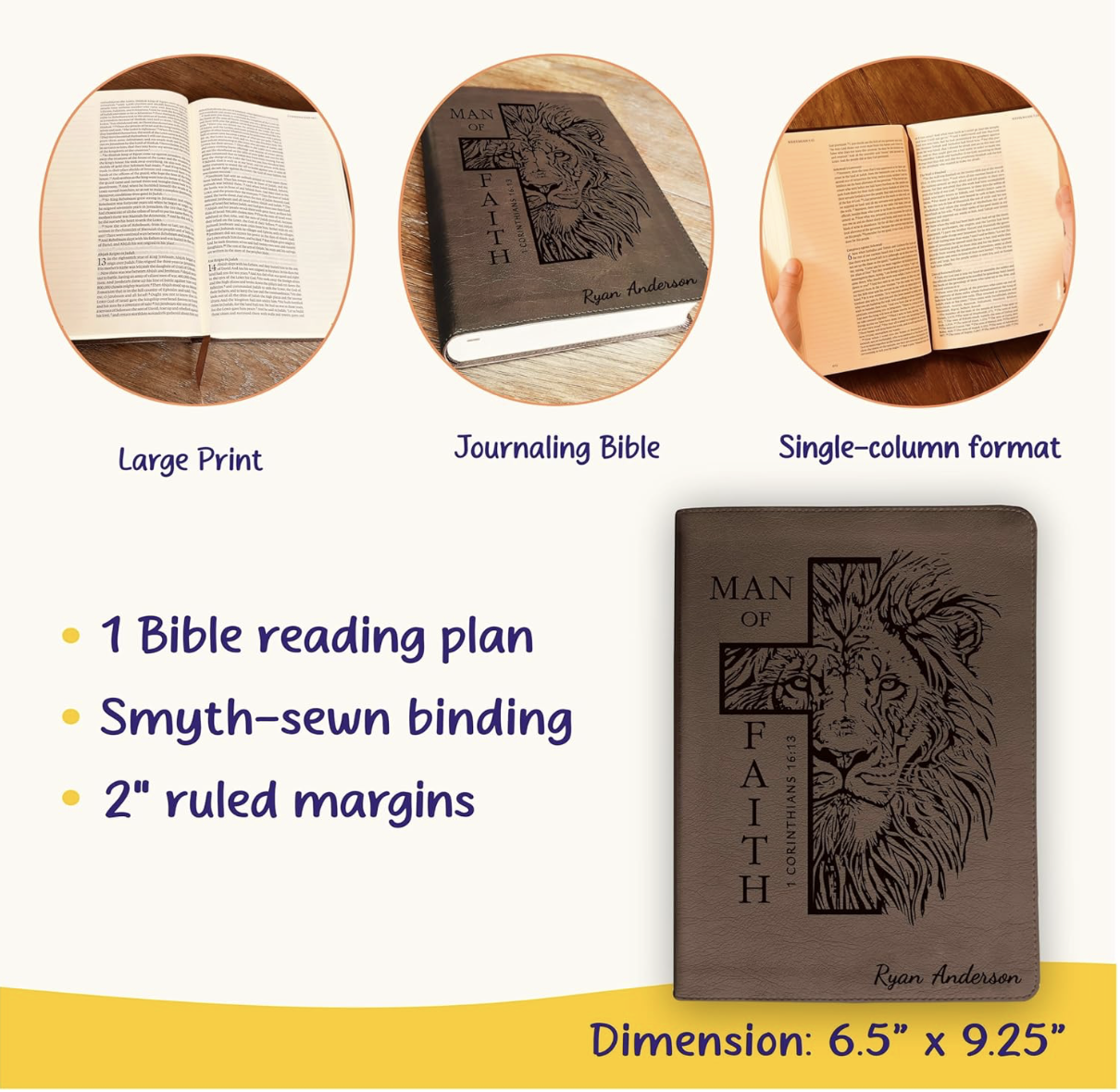
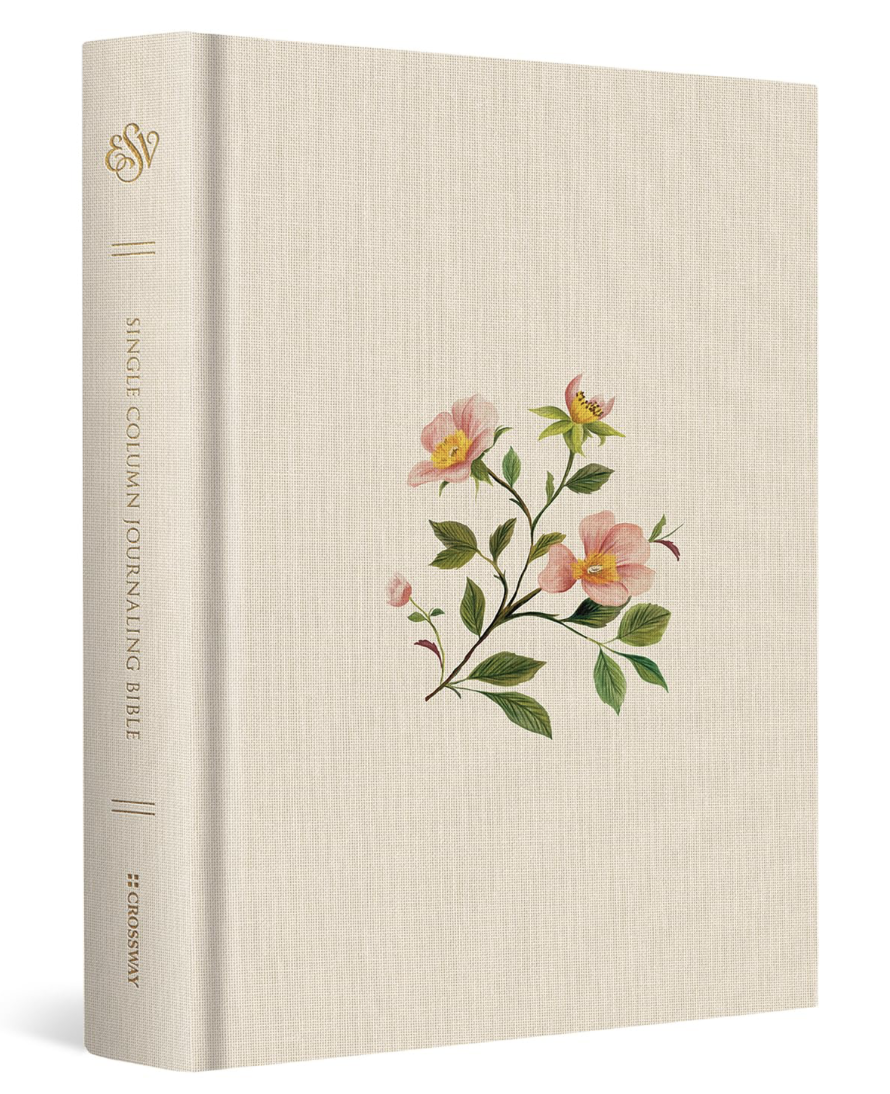
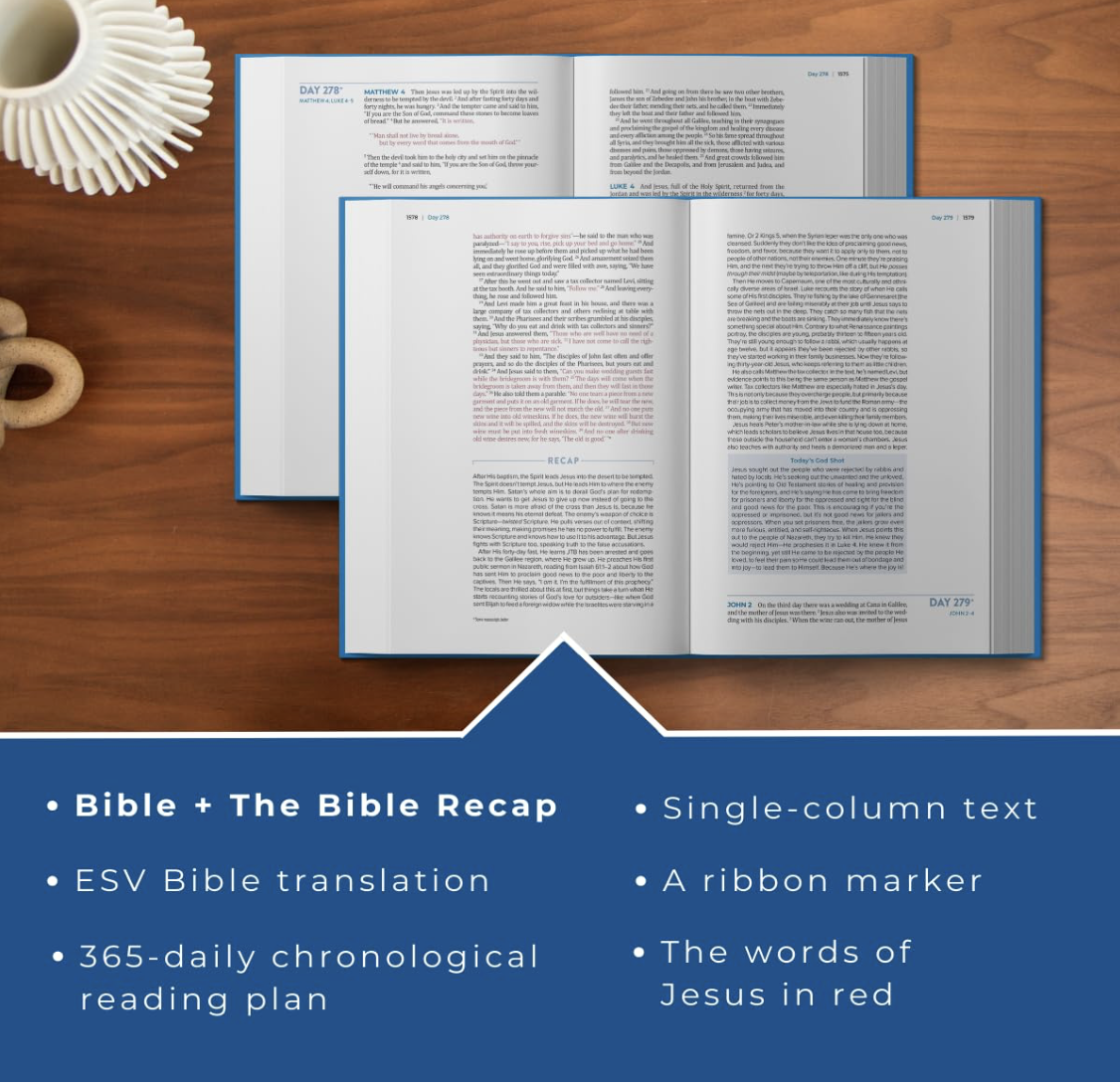
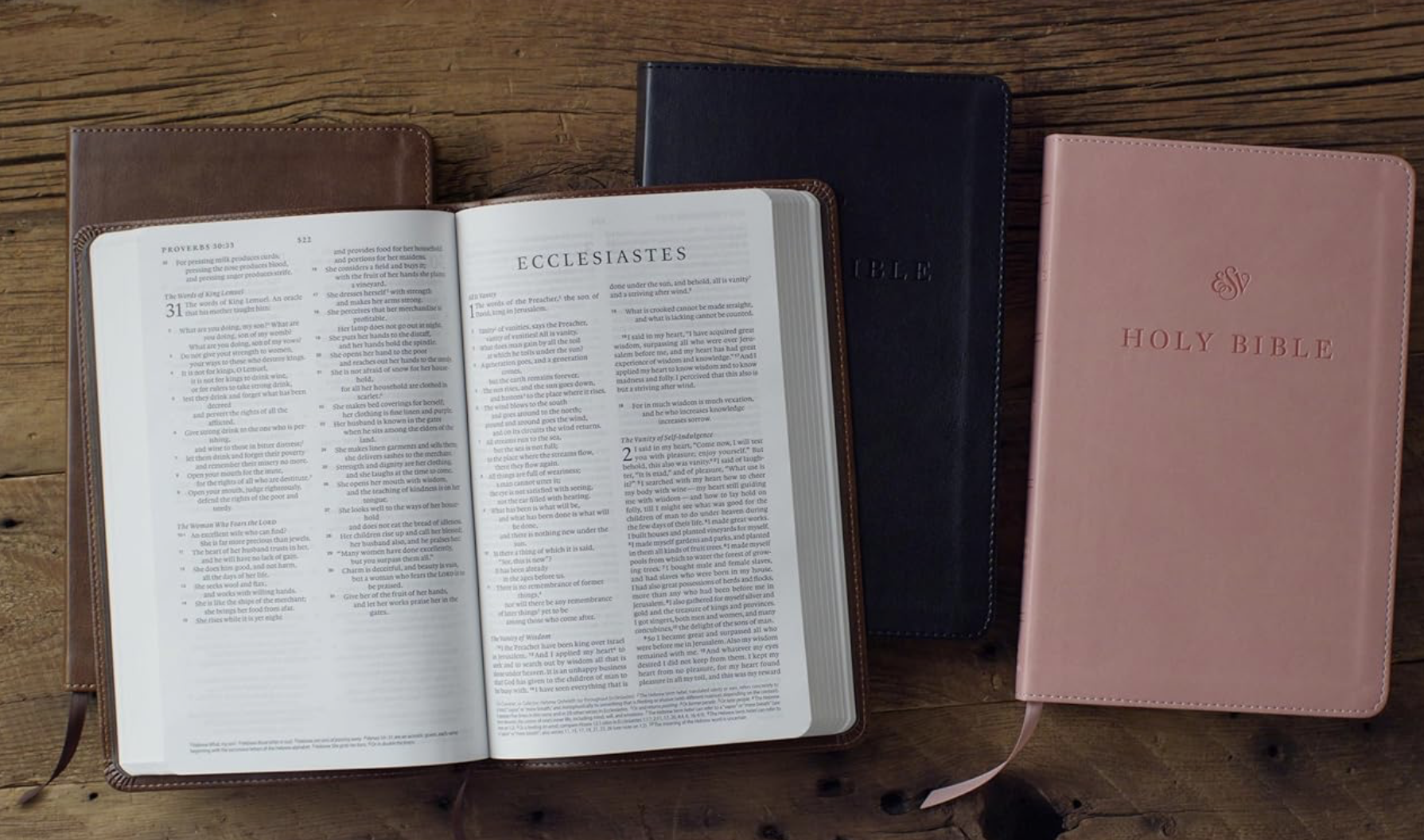
The ESV leans toward the word-for-word side of the spectrum and is known for its literary quality. It's also gender-neutral in many passages, using "they/them" rather than gender-specific pronouns in some instances. I like this one — Bryce finds it a little harder to read aloud, but it is an excellent study Bible. (Click on the pictures to see details about each Bible.)
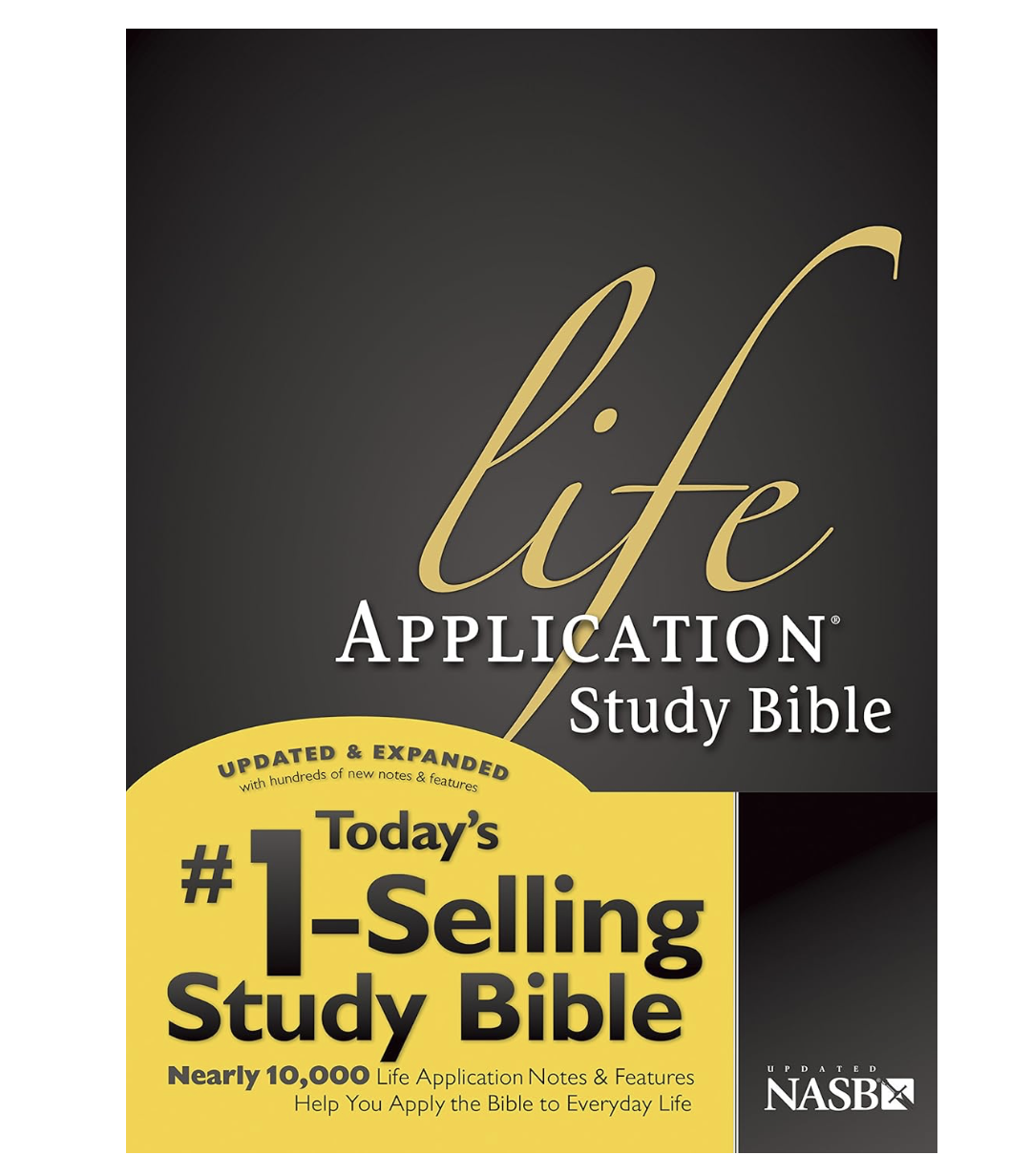
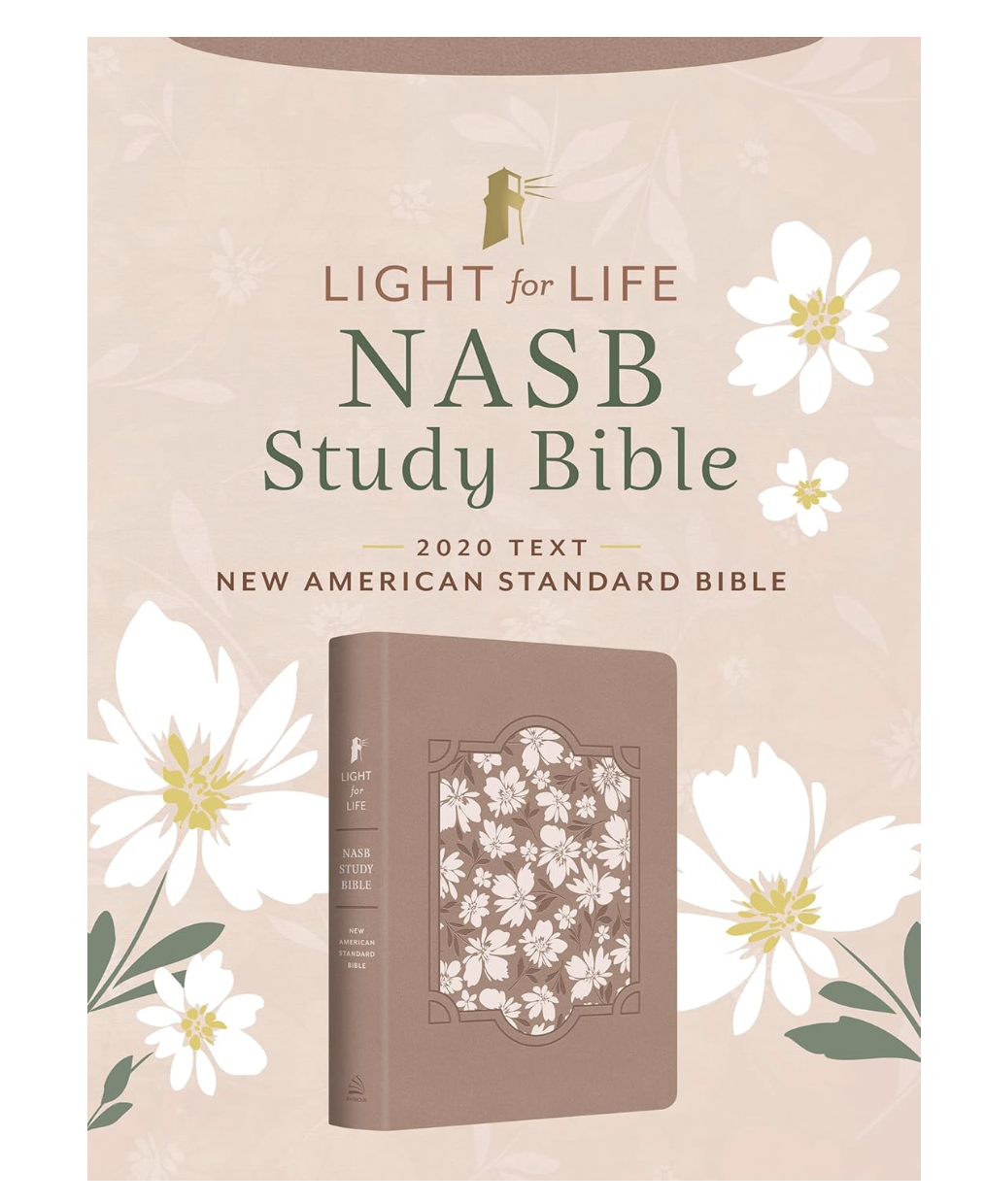
📖 New American Standard Bible (NASB) — Published 1971, Updated 2020
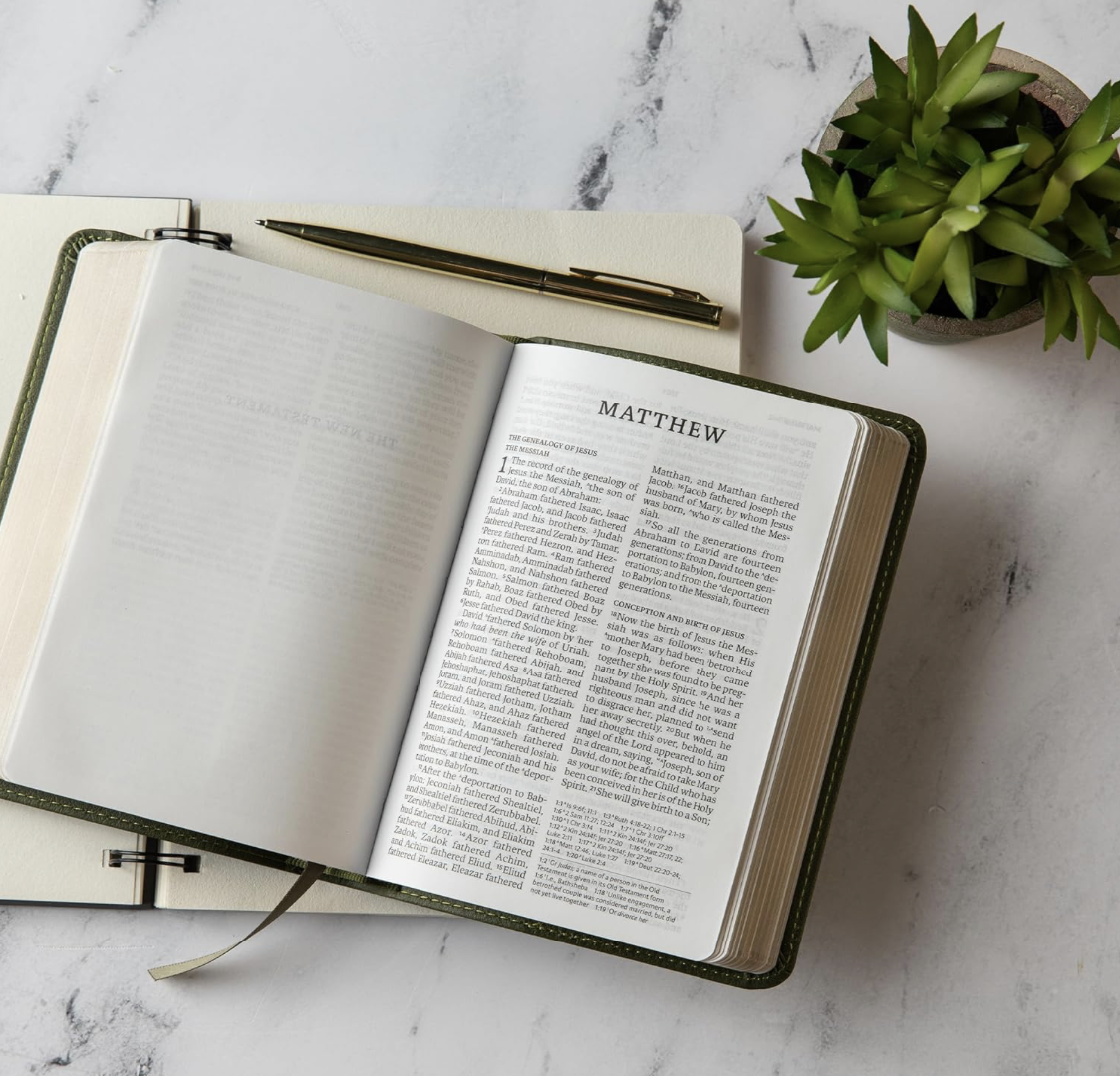
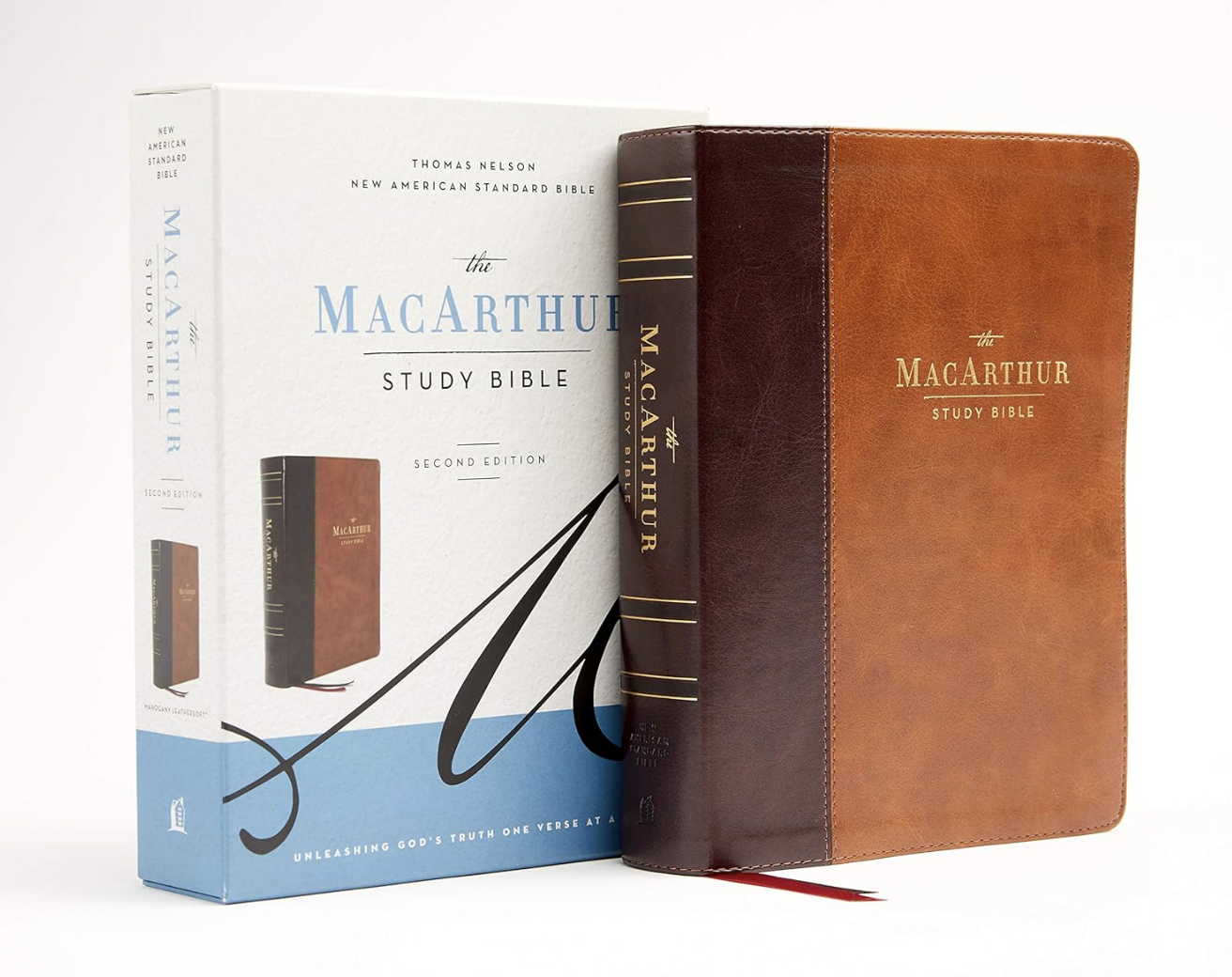
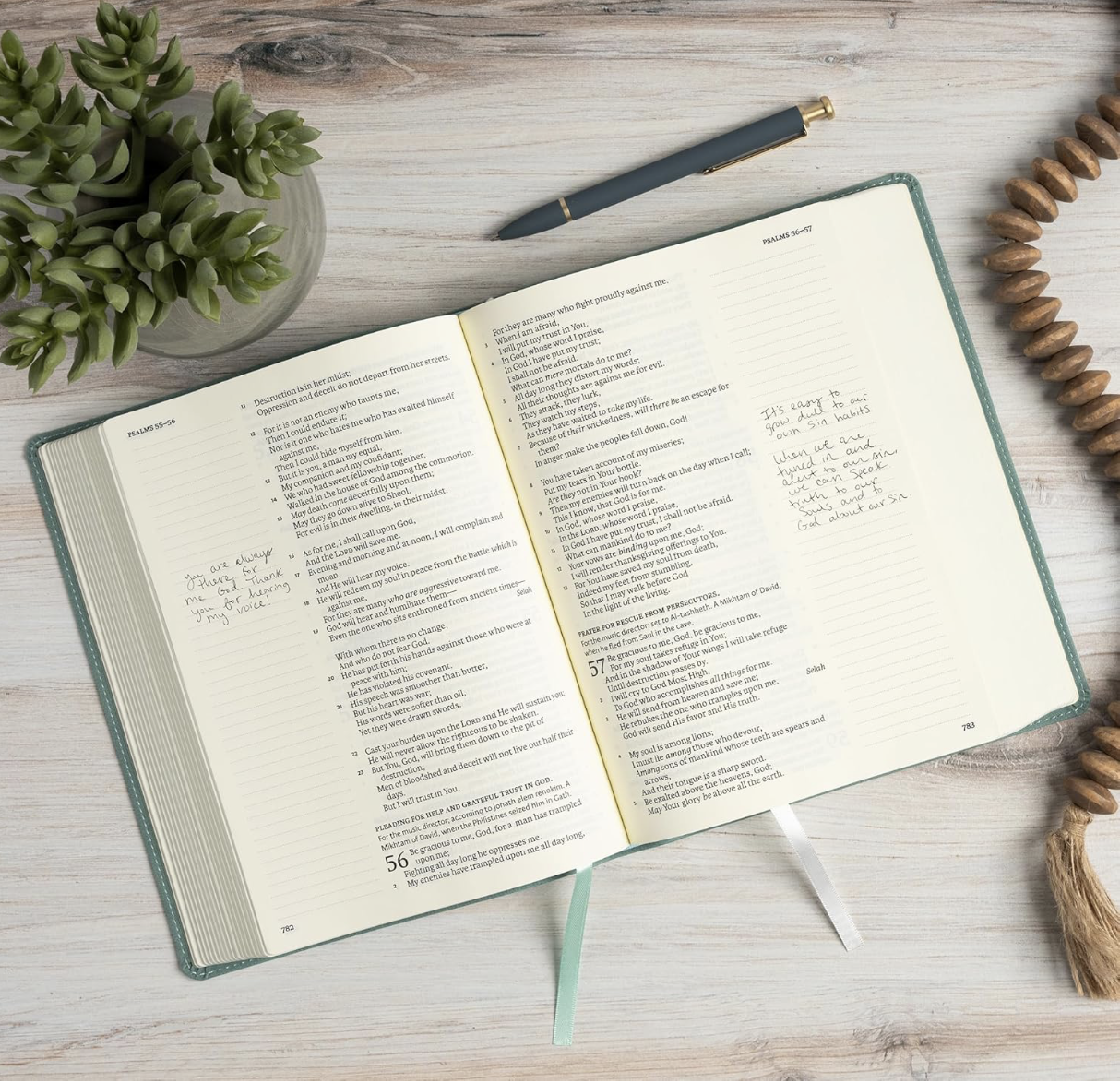
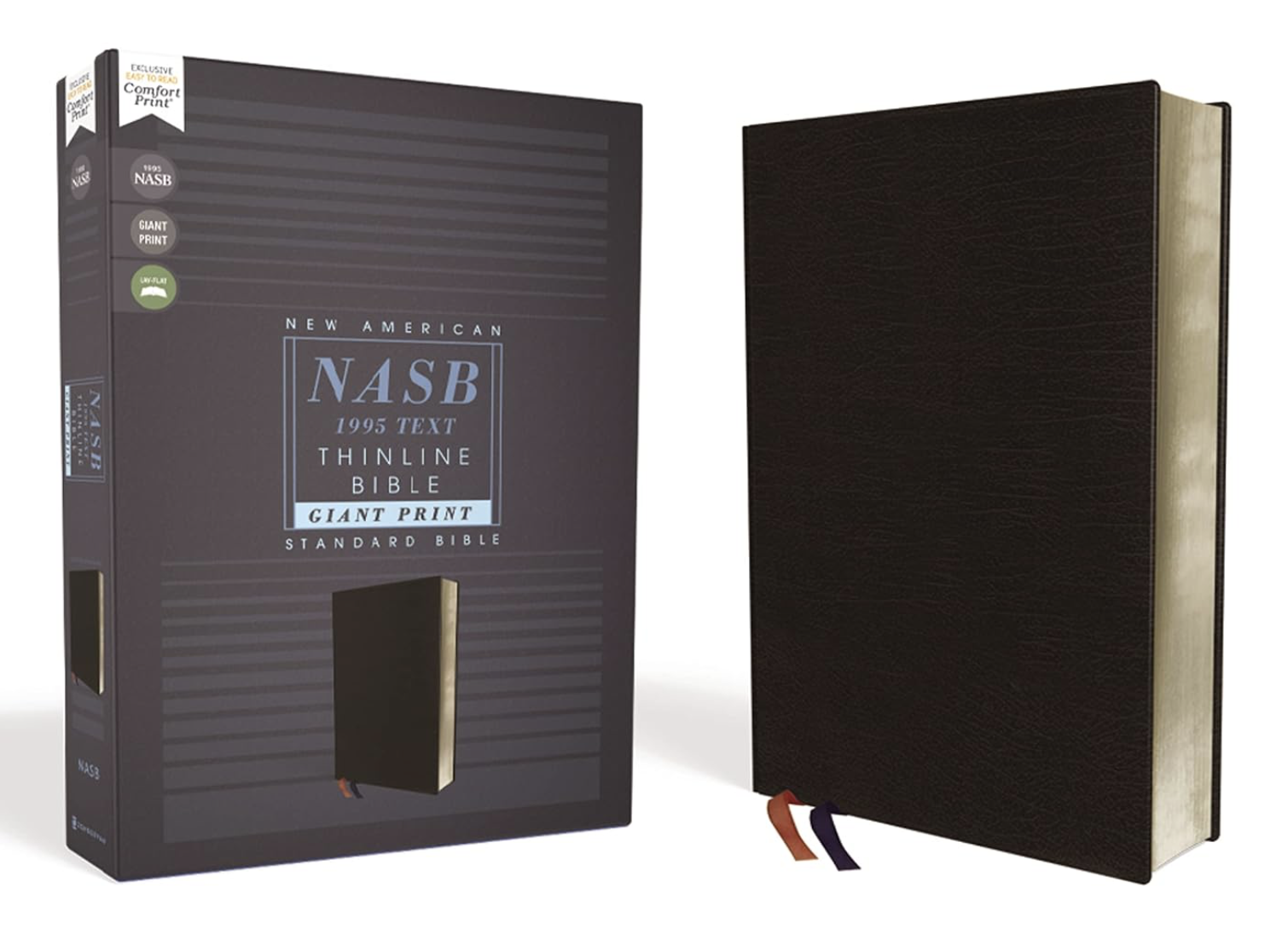
This is Bryce’s current reading Bible for the year, and he is loving it. The NASB is known for being one of the most literal, word-for-word translations available. It often brings out nuances in a familiar verse that you might have never noticed before — and that little surprise is a beautiful thing.
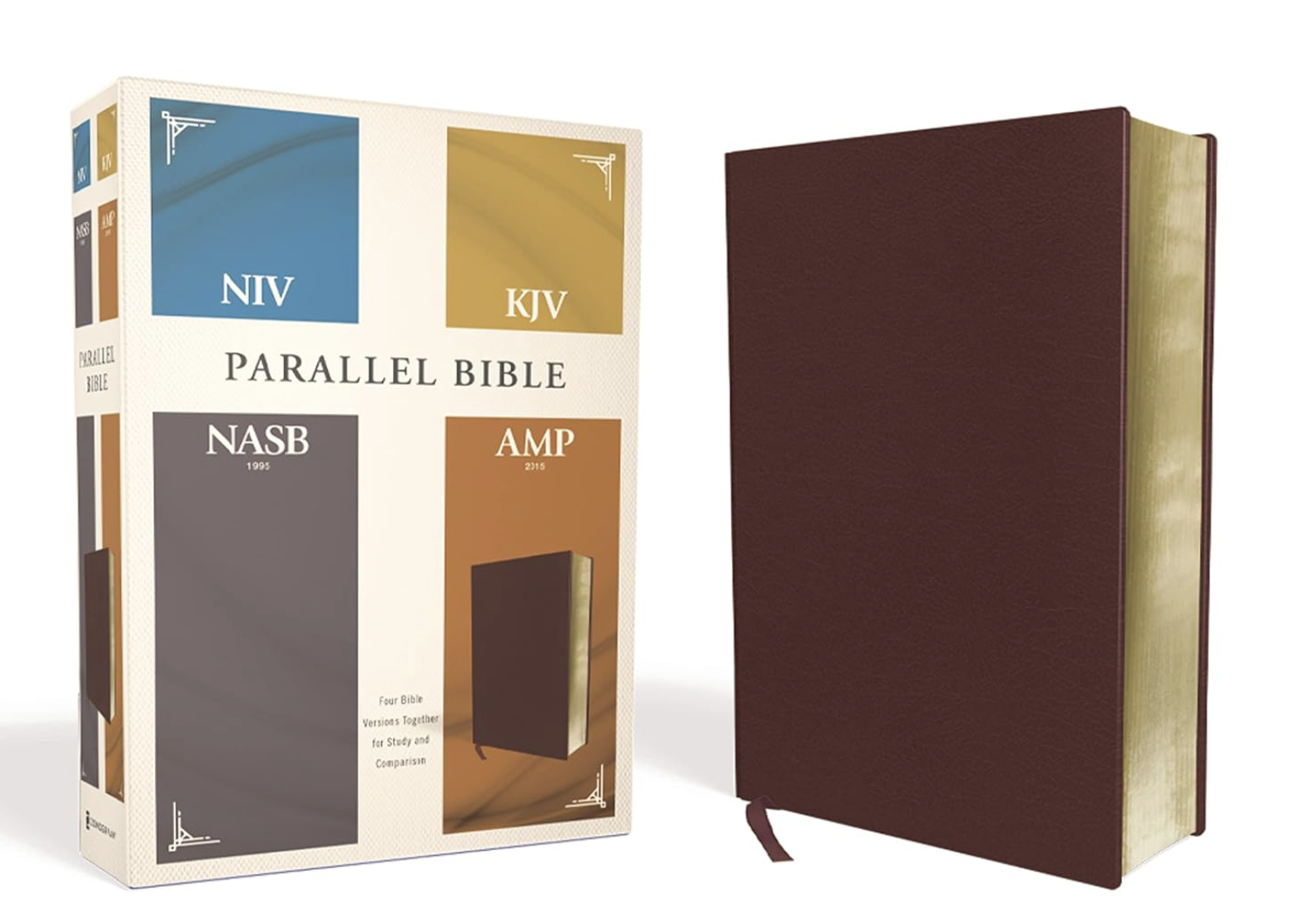
In fact, there's an old 1972 family heirloom Bible sitting in our home that contains four translations side by side — King James, New American Standard, New English Bible, and the Jerusalem Bible. Before Bible apps, people were carrying those big beauties around to study! (Click on the pictures to see details about each Bible.)
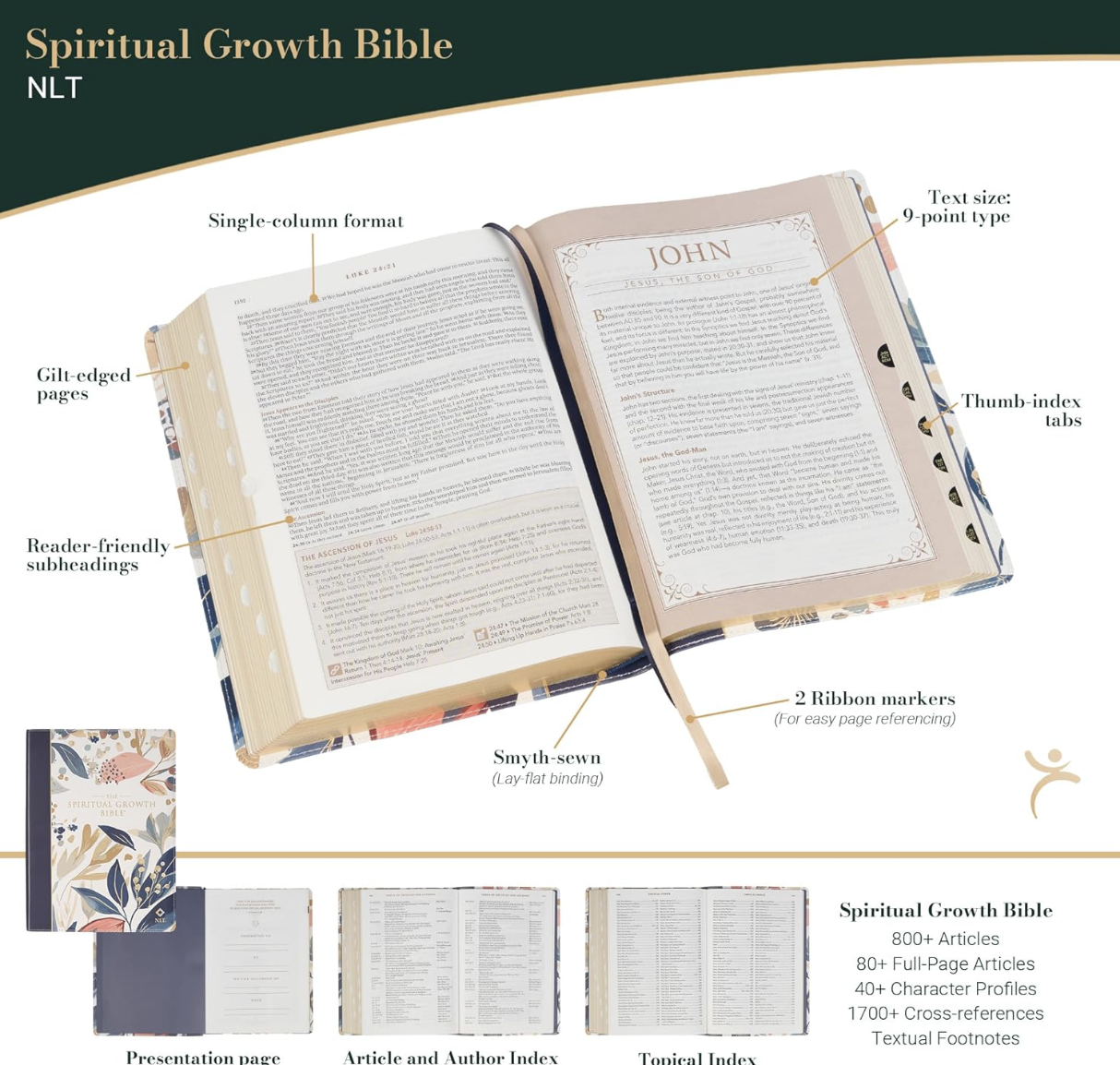
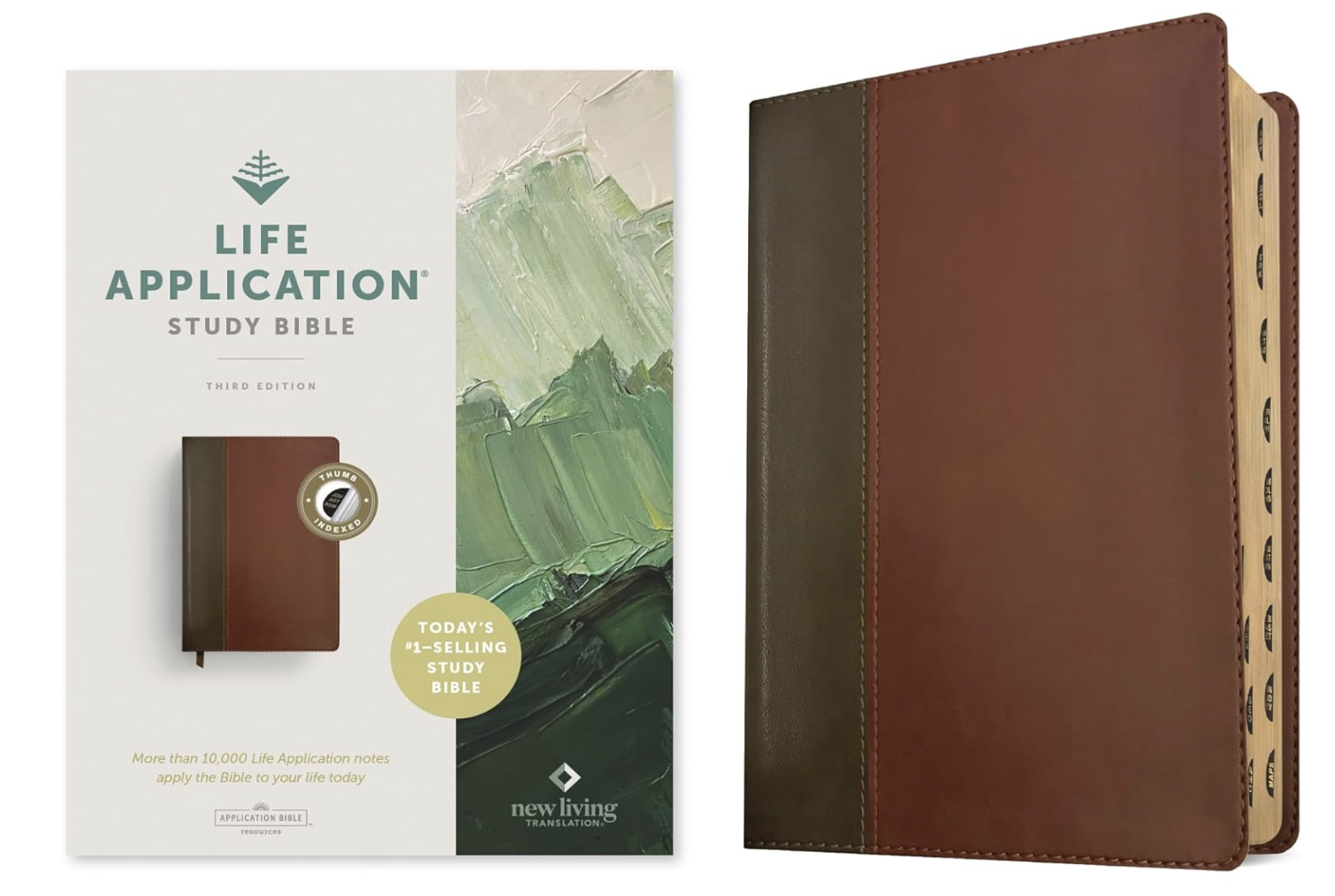
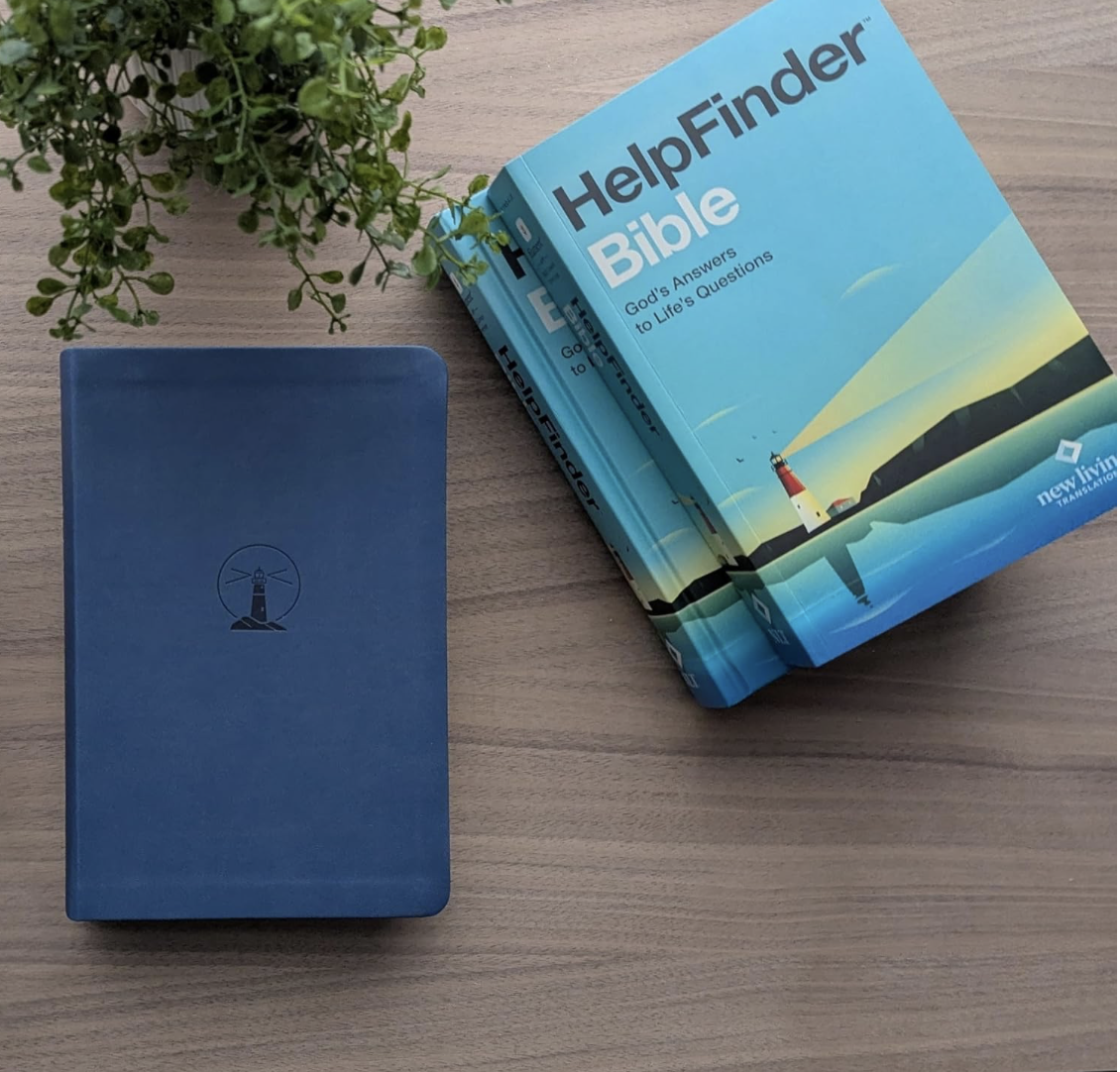
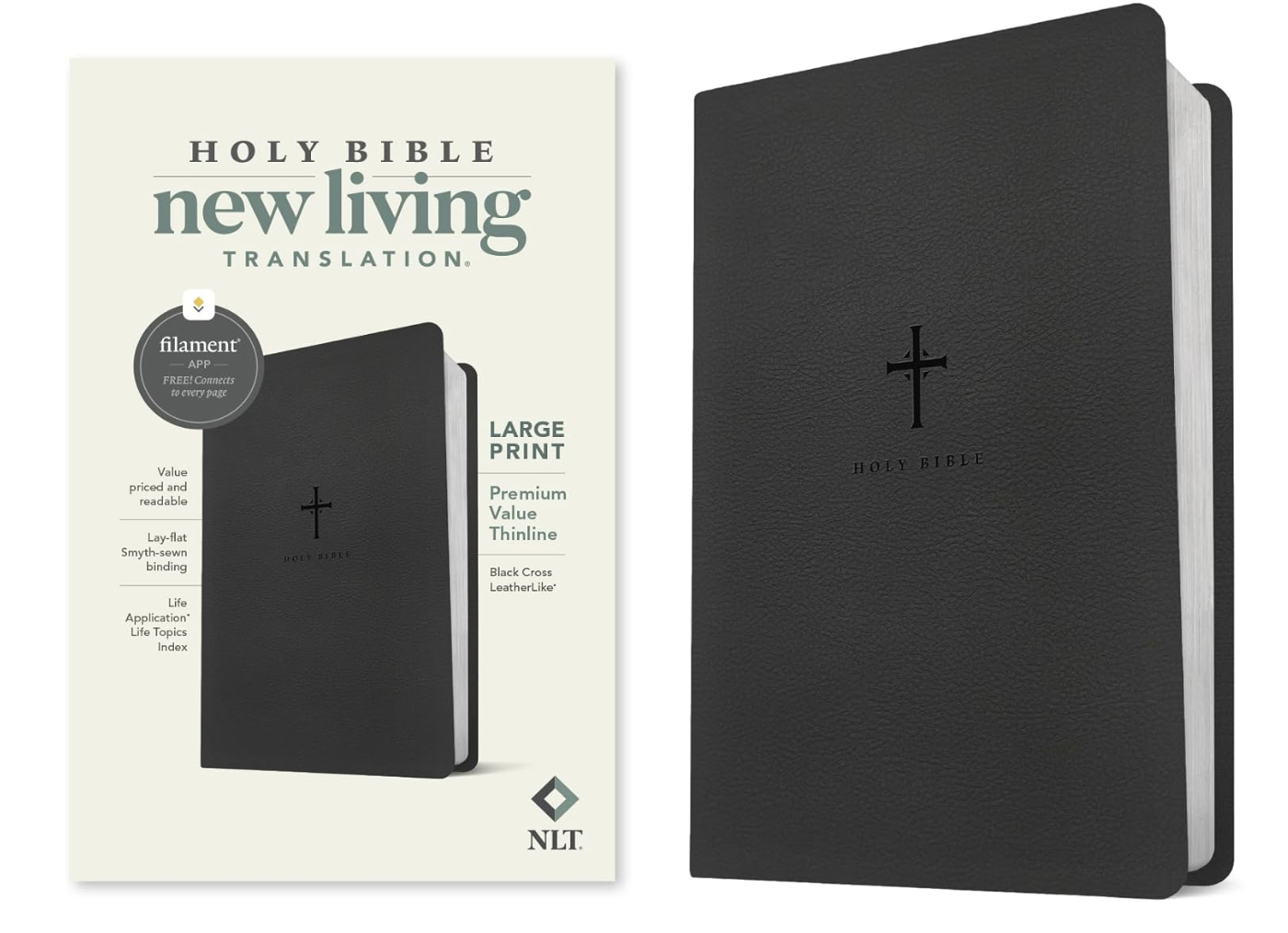
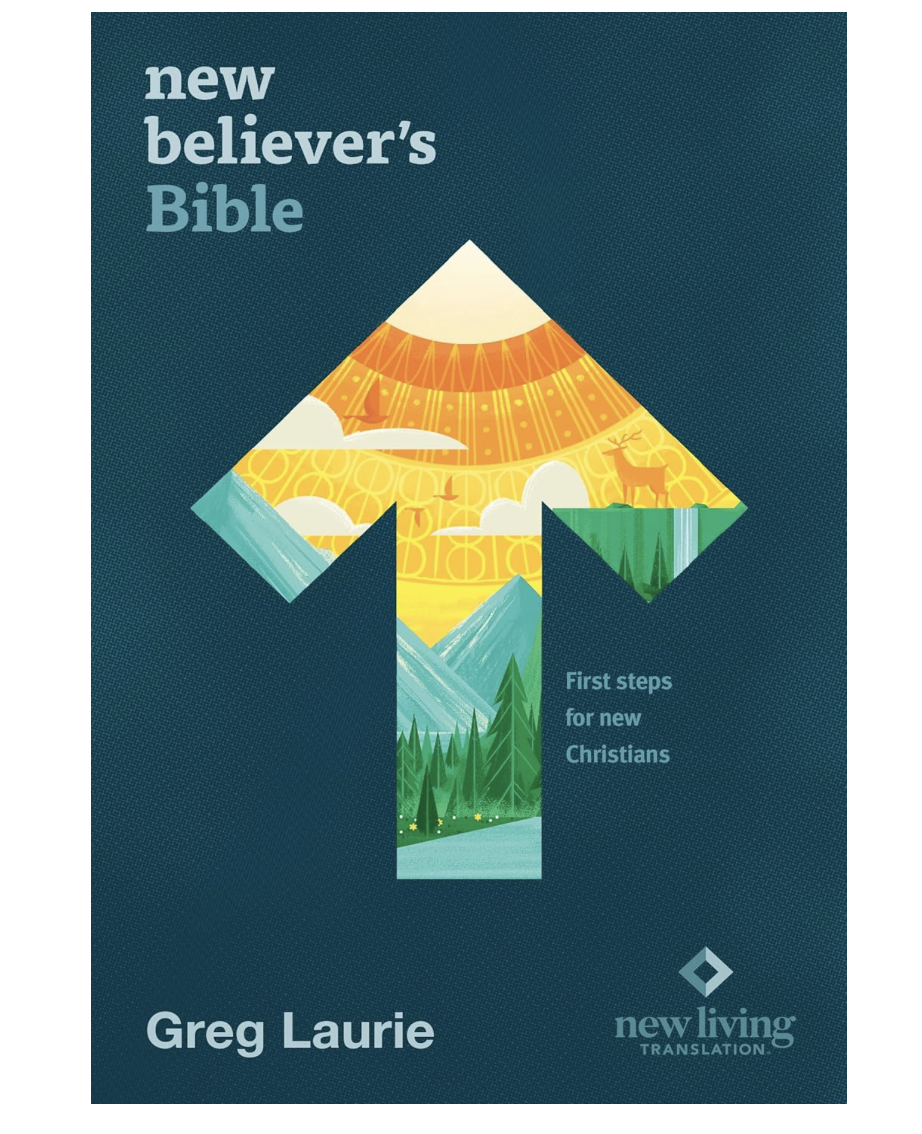
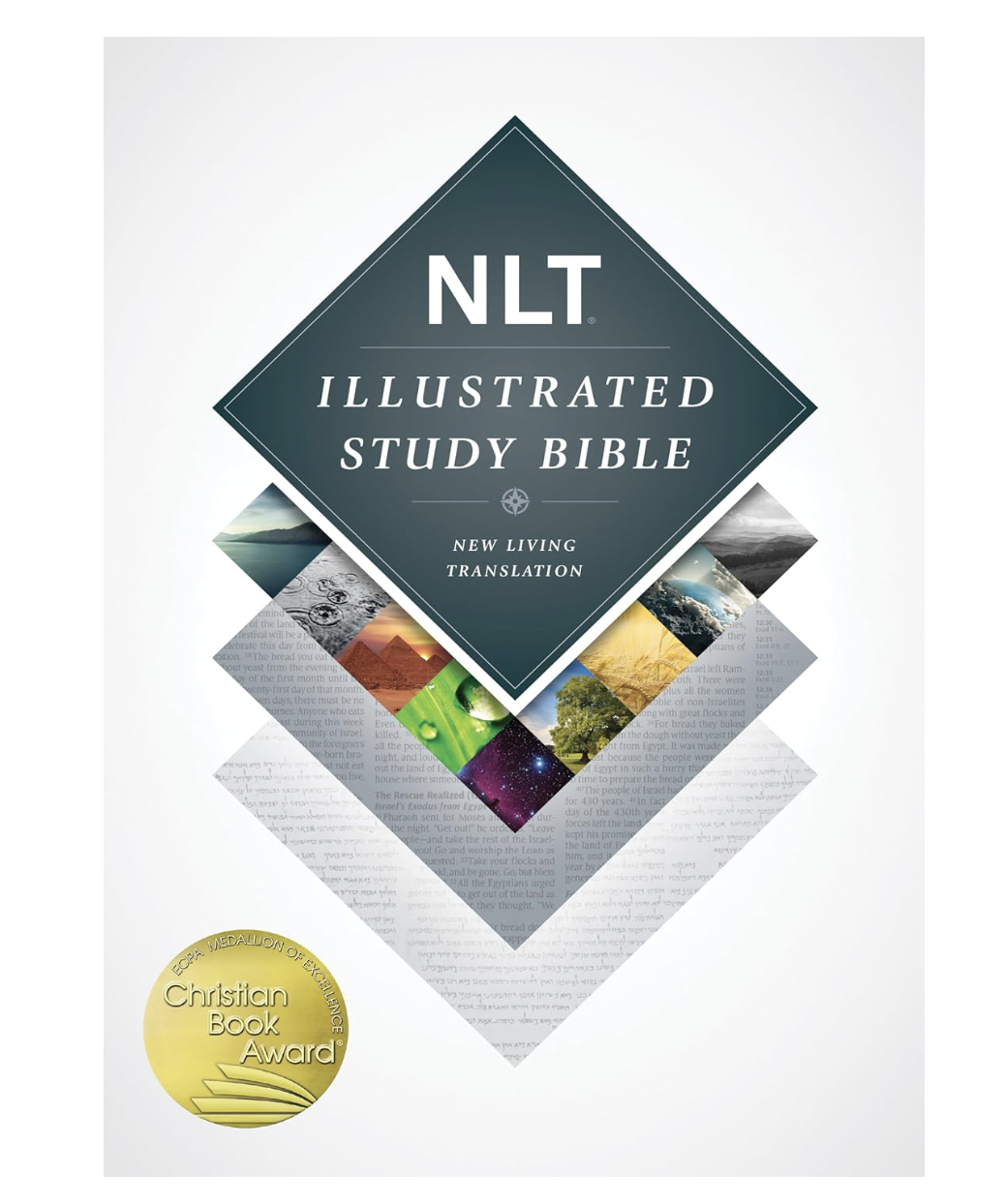
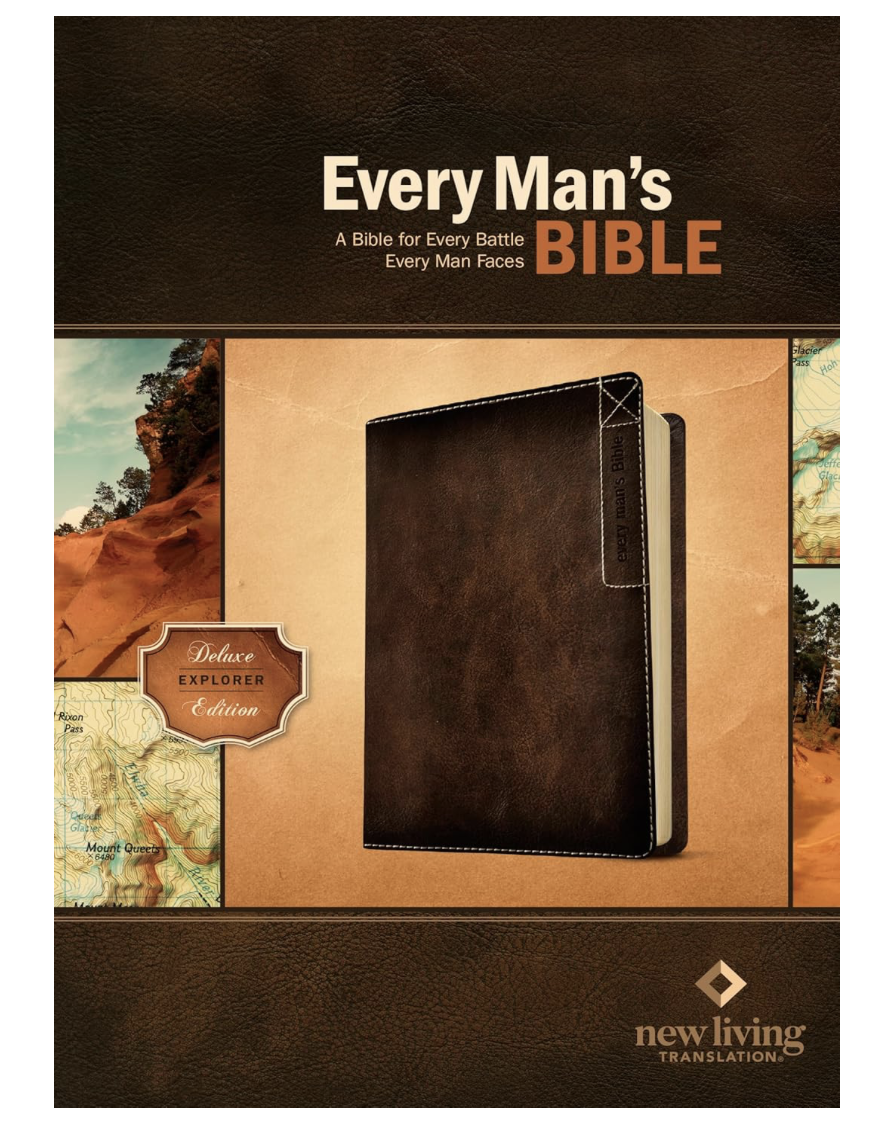
📖 New Living Translation (NLT) — Published 1996, Revised 2015
The NLT falls on the thought-for-thought side of the spectrum. It's smooth, easy to read, and perfect for someone who wants to read through large portions of Scripture without feeling bogged down.
Bryce has a funny story about this one — on the way to teach in Albania, he realized at the airport (two hours from home!) that he hadn't packed a Bible. A quick trip to Barnes & Noble later, he grabbed an NLT — and actually loved it so much he used it for two years. Sometimes God works through airport Bible runs! 😄 (Click on the pictures to see details about each Bible.)
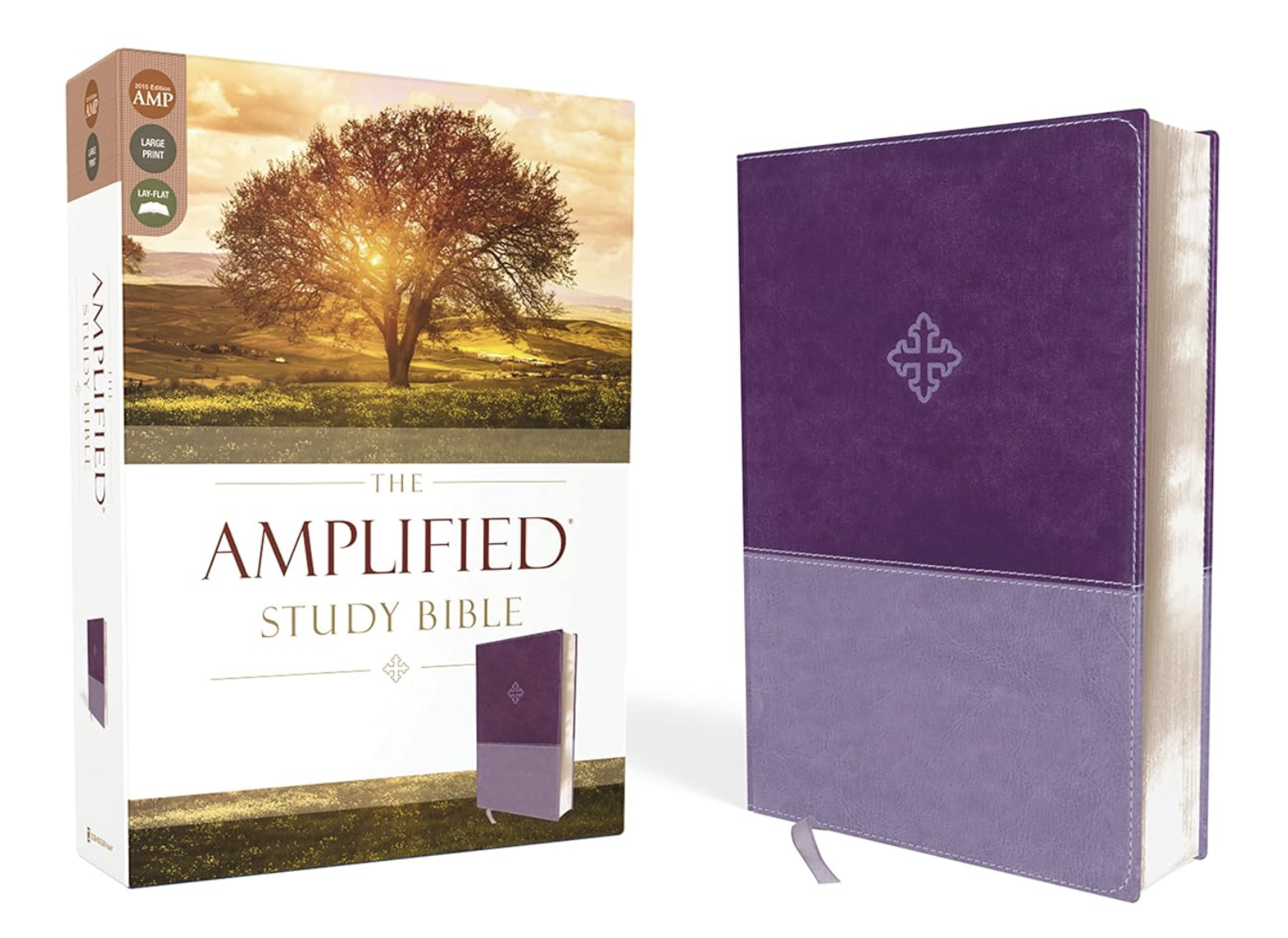
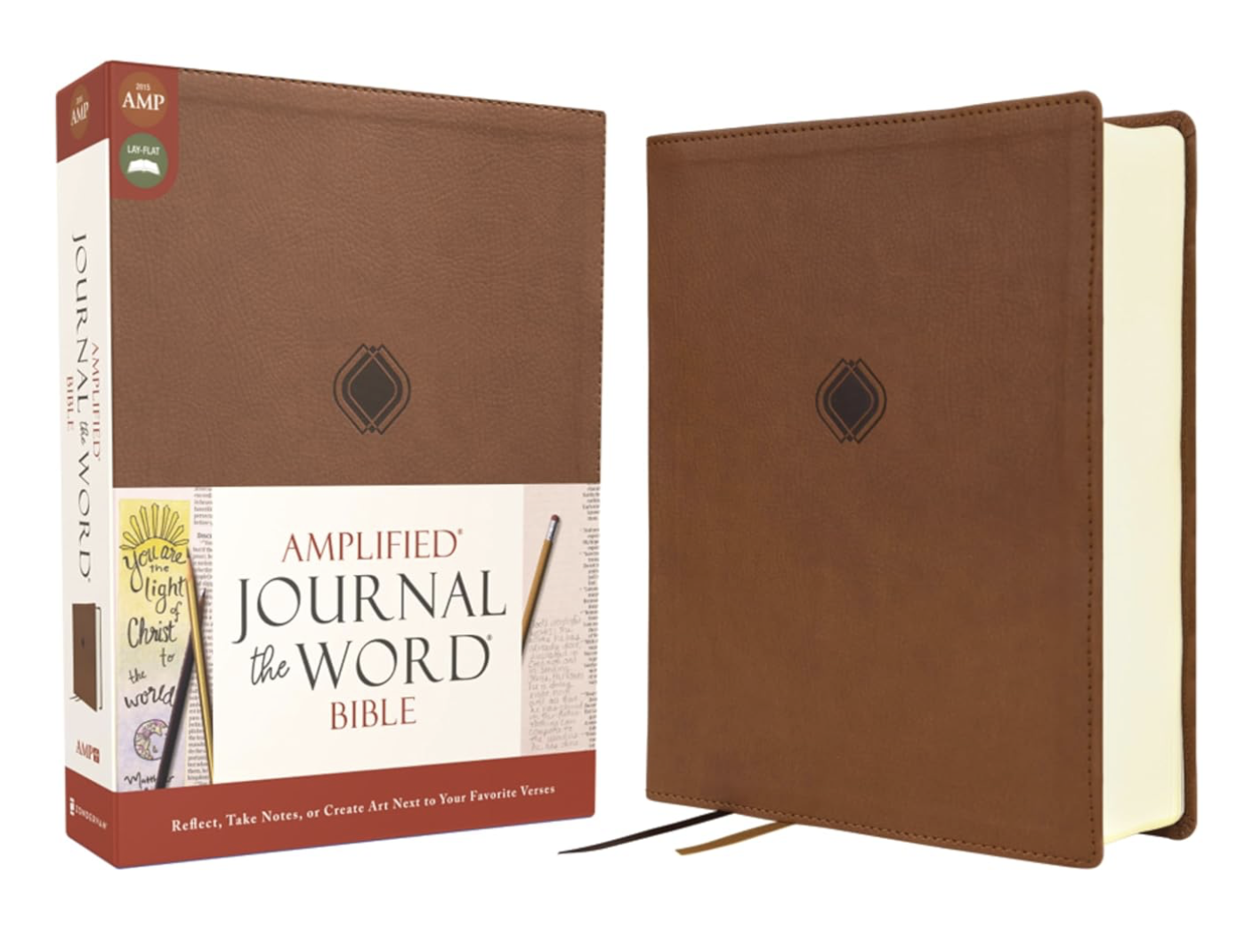
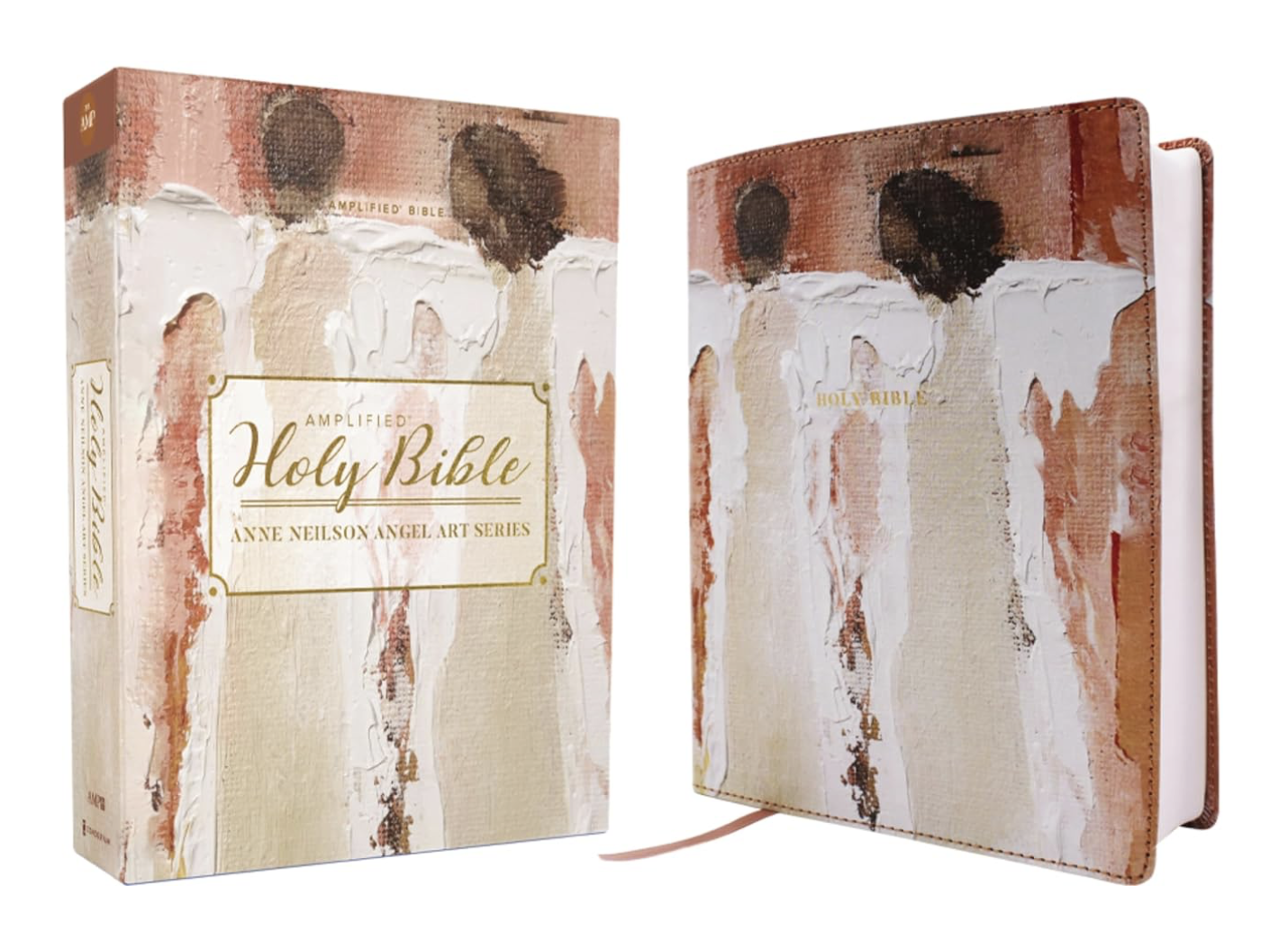
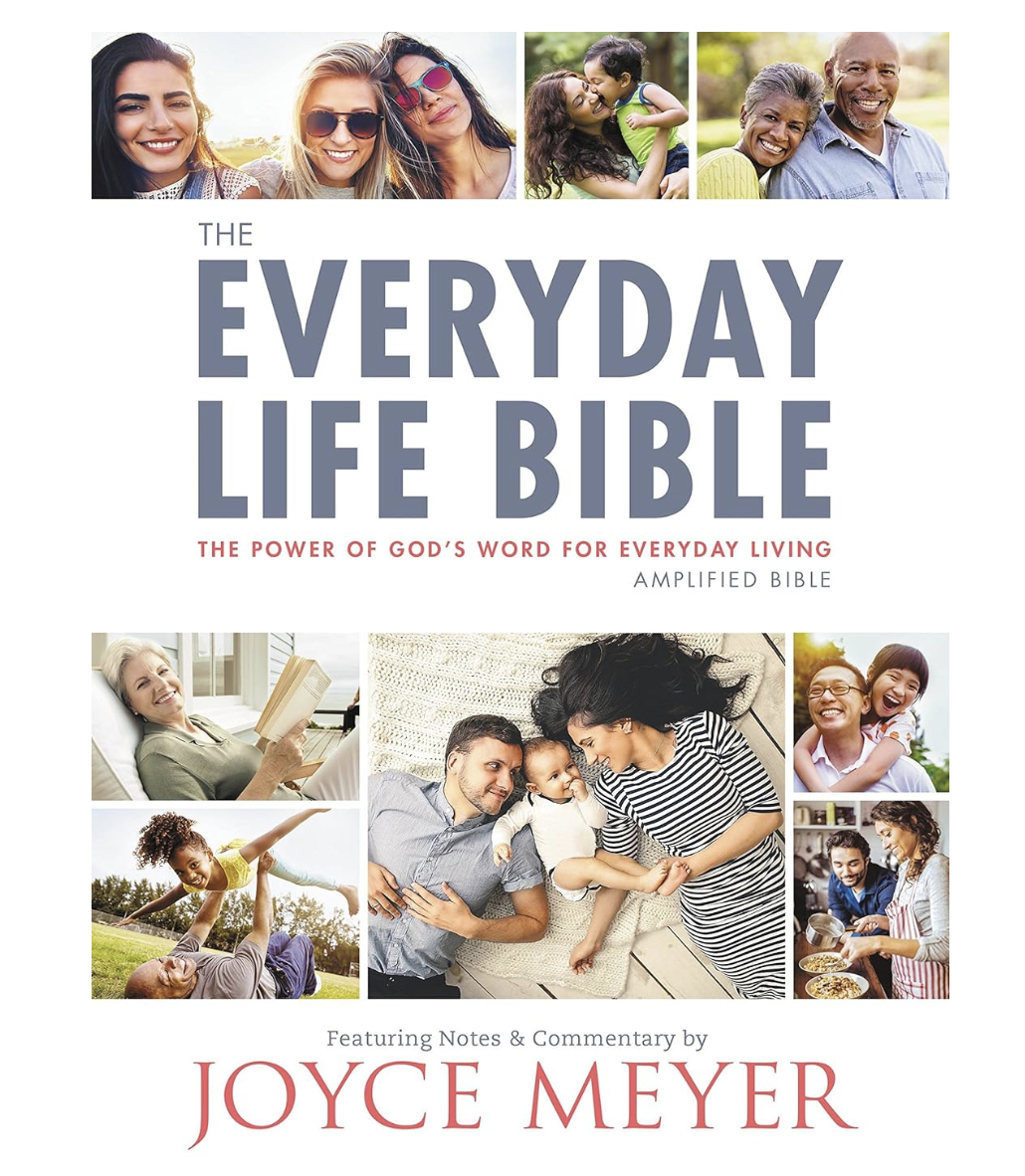
📖 The Amplified Bible — Classic & Updated Editions
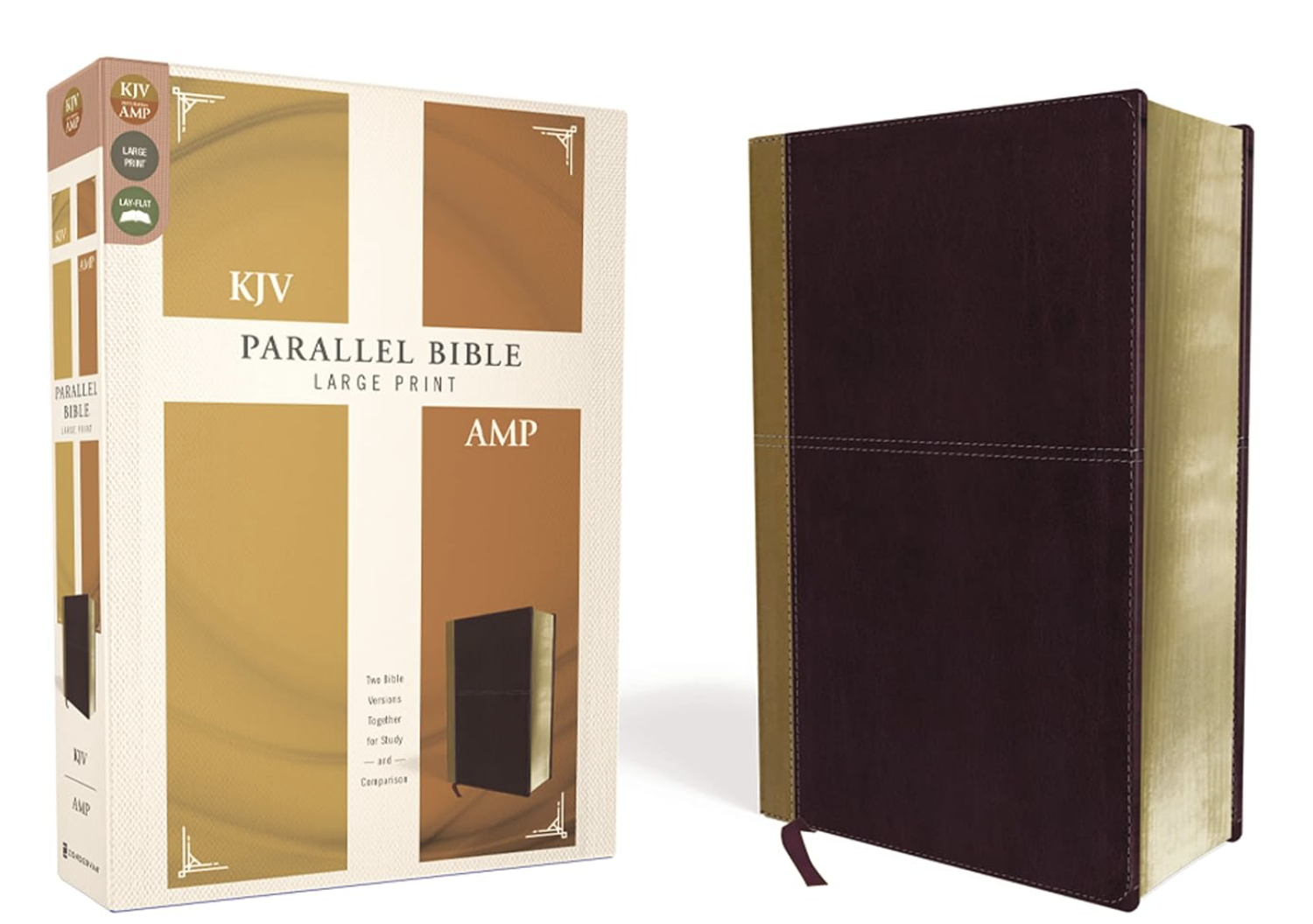
The Amplified Bible is a unique and powerful study tool. Instead of choosing one English word to translate a Hebrew or Greek word, it amplifies the text — offering multiple possible meanings in brackets so you can see the full depth of what the original language was conveying.
For example, in John 14, where Jesus refers to the Holy Spirit as "the Comforter," the Amplified brackets that word and gives you six other words that the original Greek is trying to convey. That's incredible for study!
The Amplified is harder to read straight through (it can get a little choppy), but as a side-by-side study companion, it is absolutely wonderful. It's also Joyce Meyer's go-to — and she reads it beautifully. (Click on the pictures to see details about each Bible.)
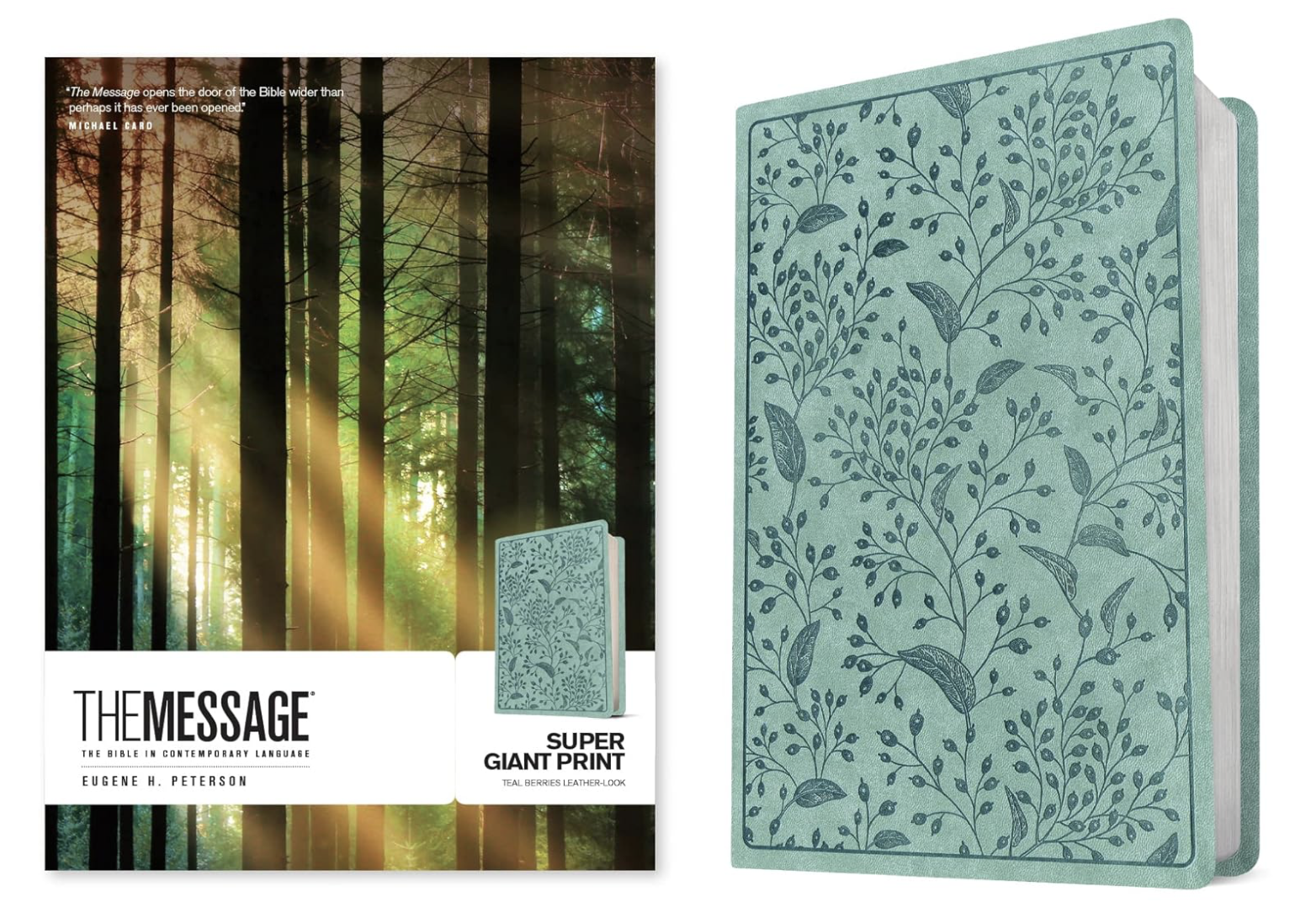
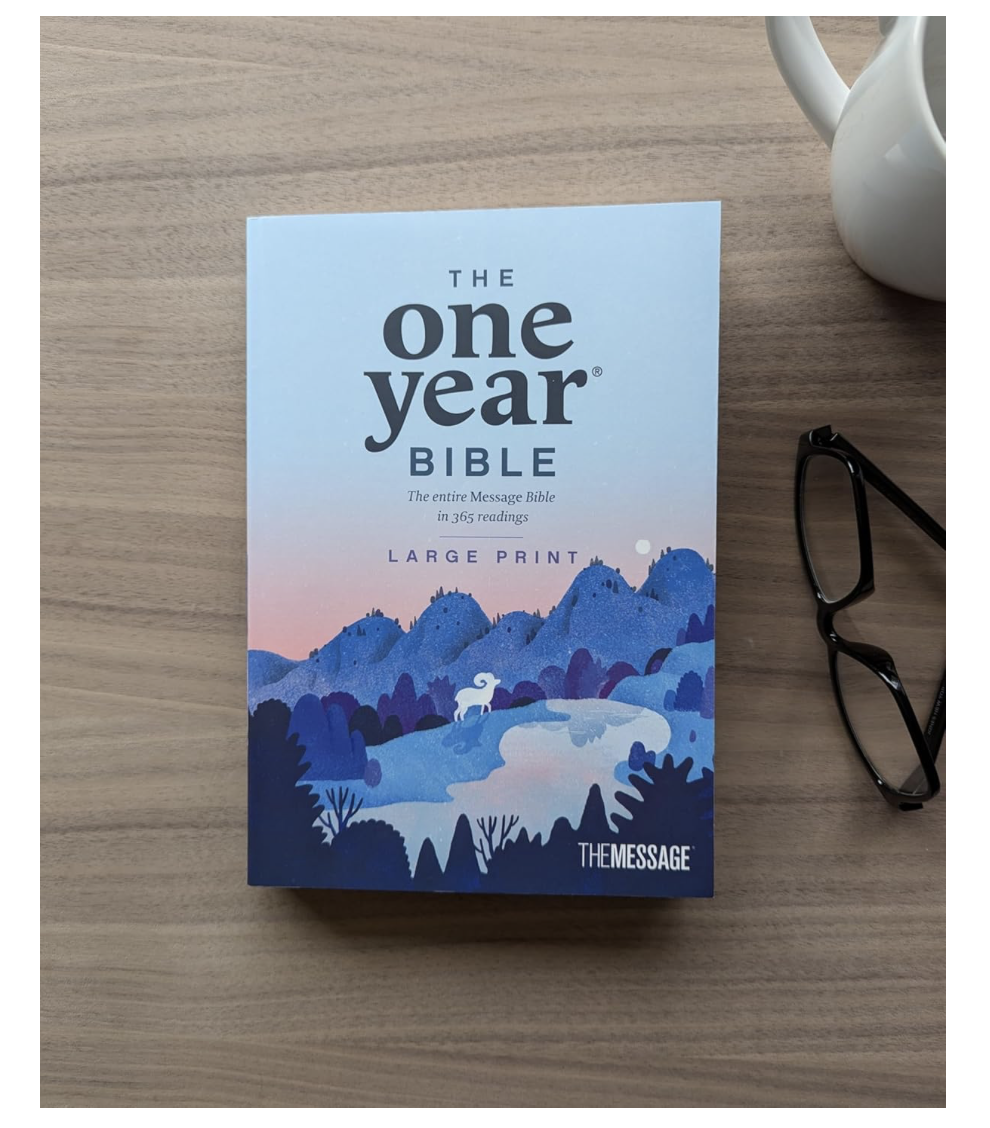
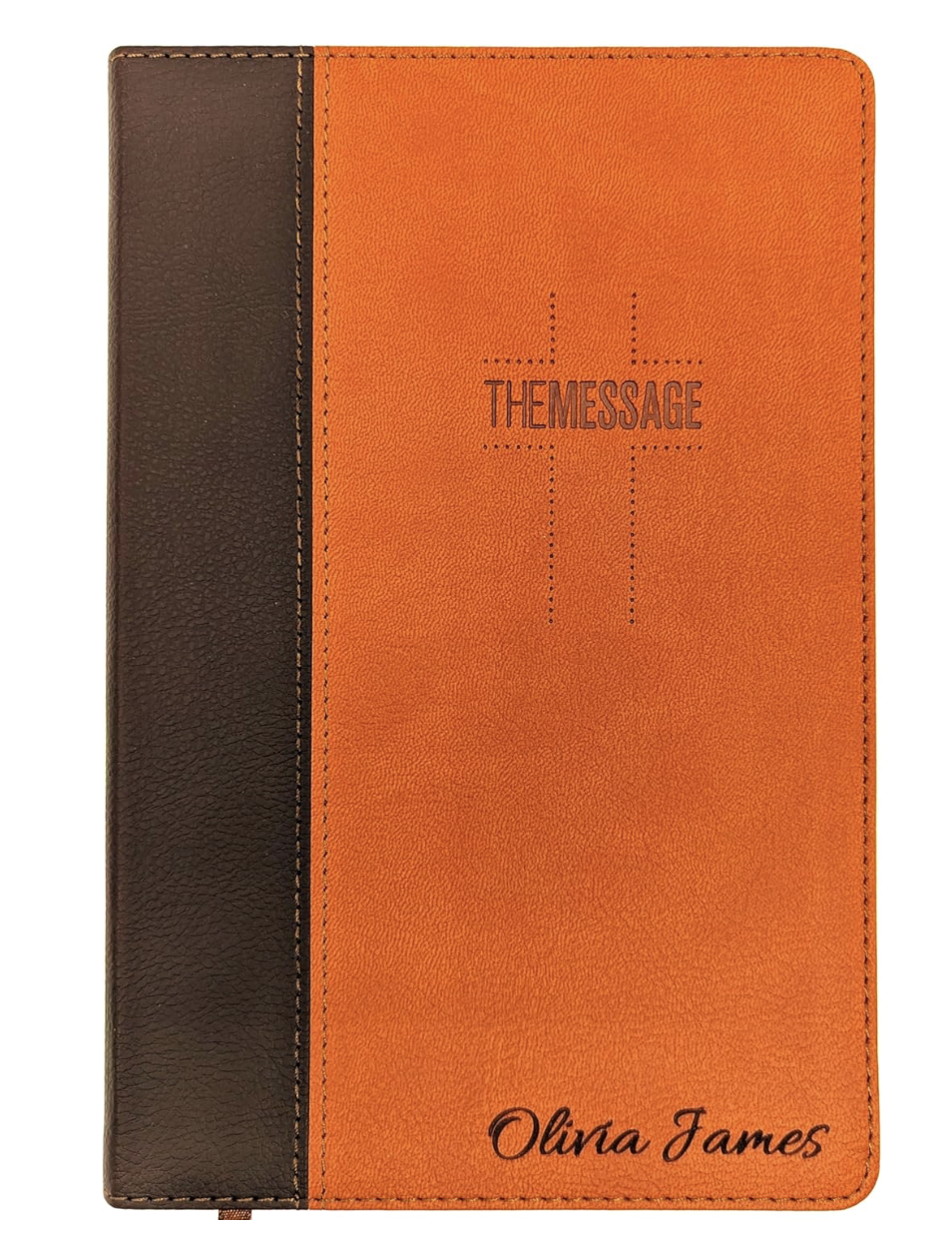
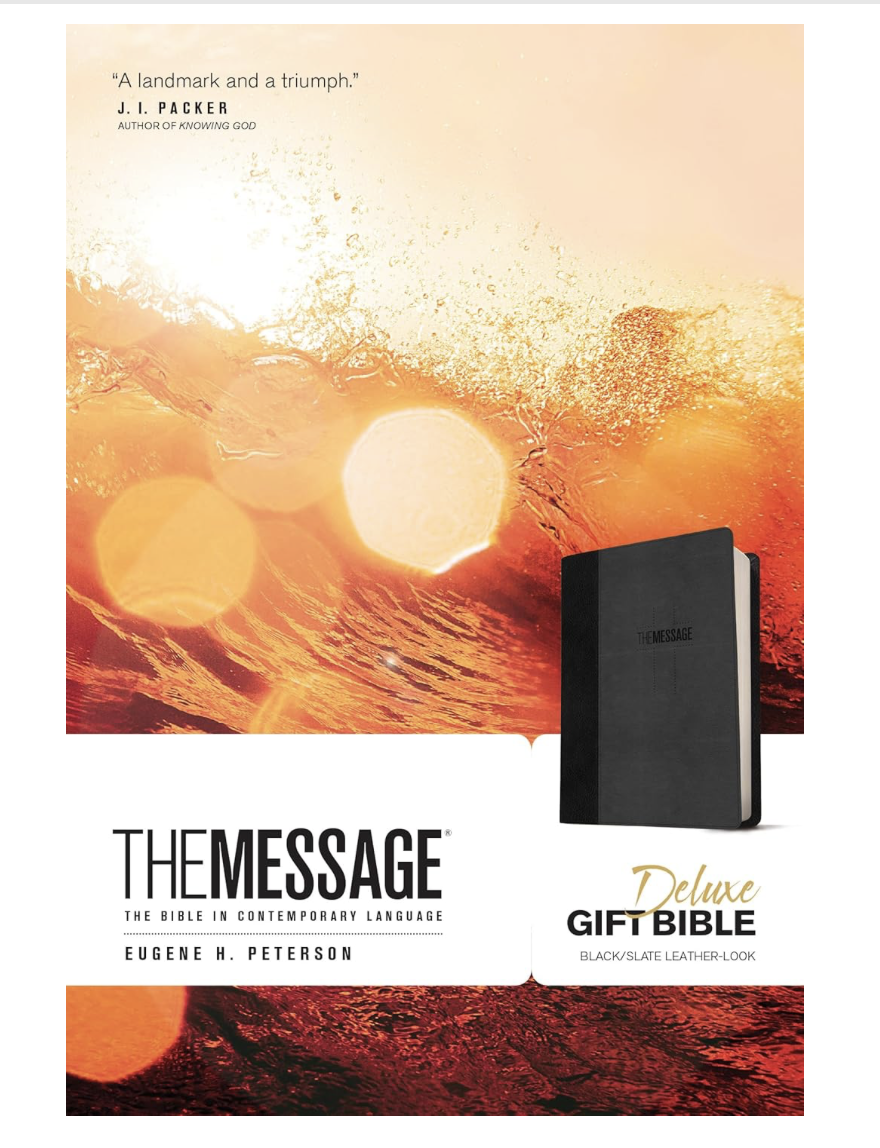
📖 The Message — Published in Stages, Completed 2002
Eugene Peterson began this paraphrase with the goal of putting the Bible into the natural, everyday language of modern culture — and word has it he started it to help his own son connect with Scripture. The result is a very conversational, smooth, easy-to-read Bible.
The Message is a great devotional companion but remember — it's a paraphrase. It reflects someone's interpretation and shouldn't be the primary source for doctrinal study. But for fresh perspective on a familiar passage? It can be really beautiful. (Click on the pictures to see details about each Bible.)
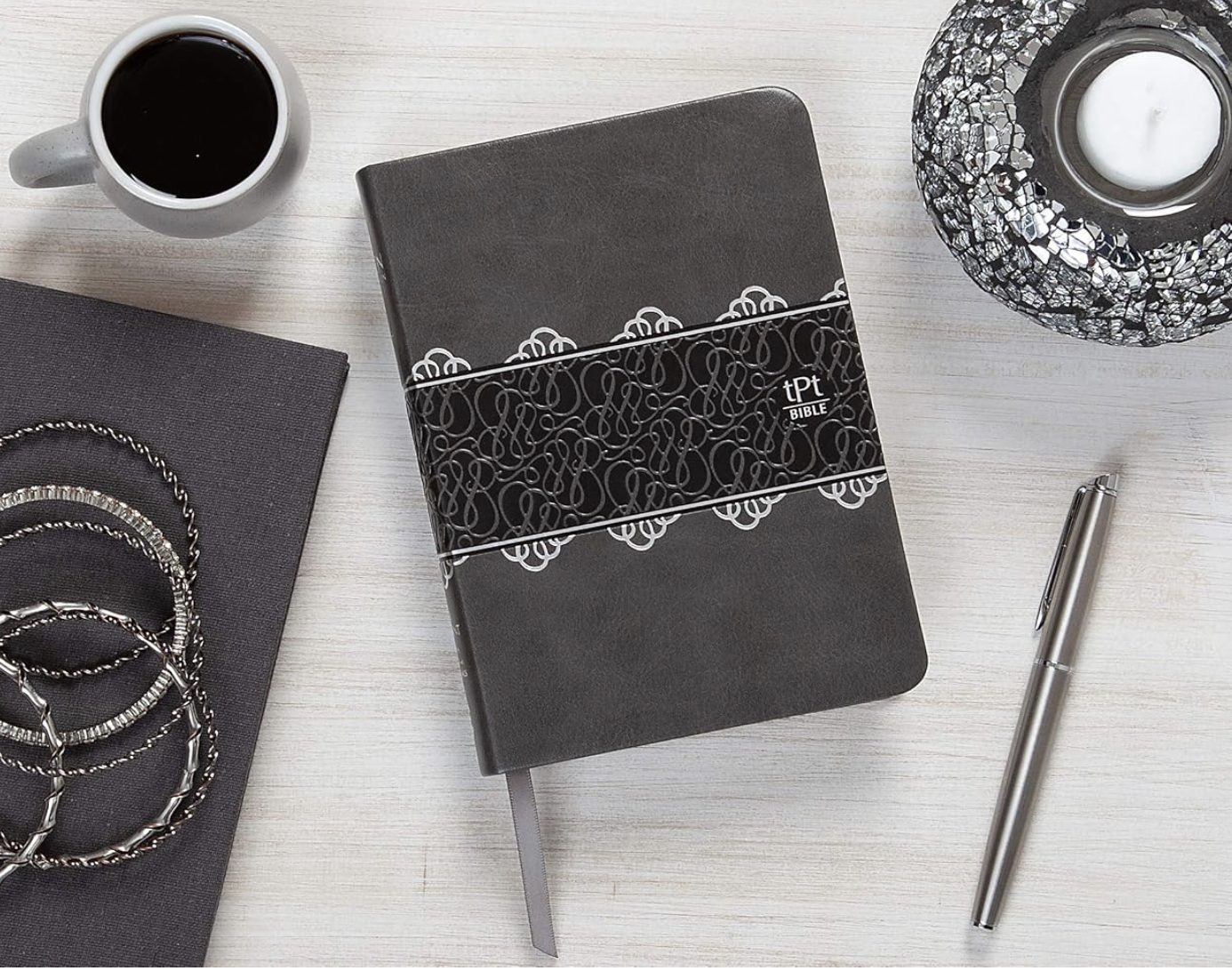
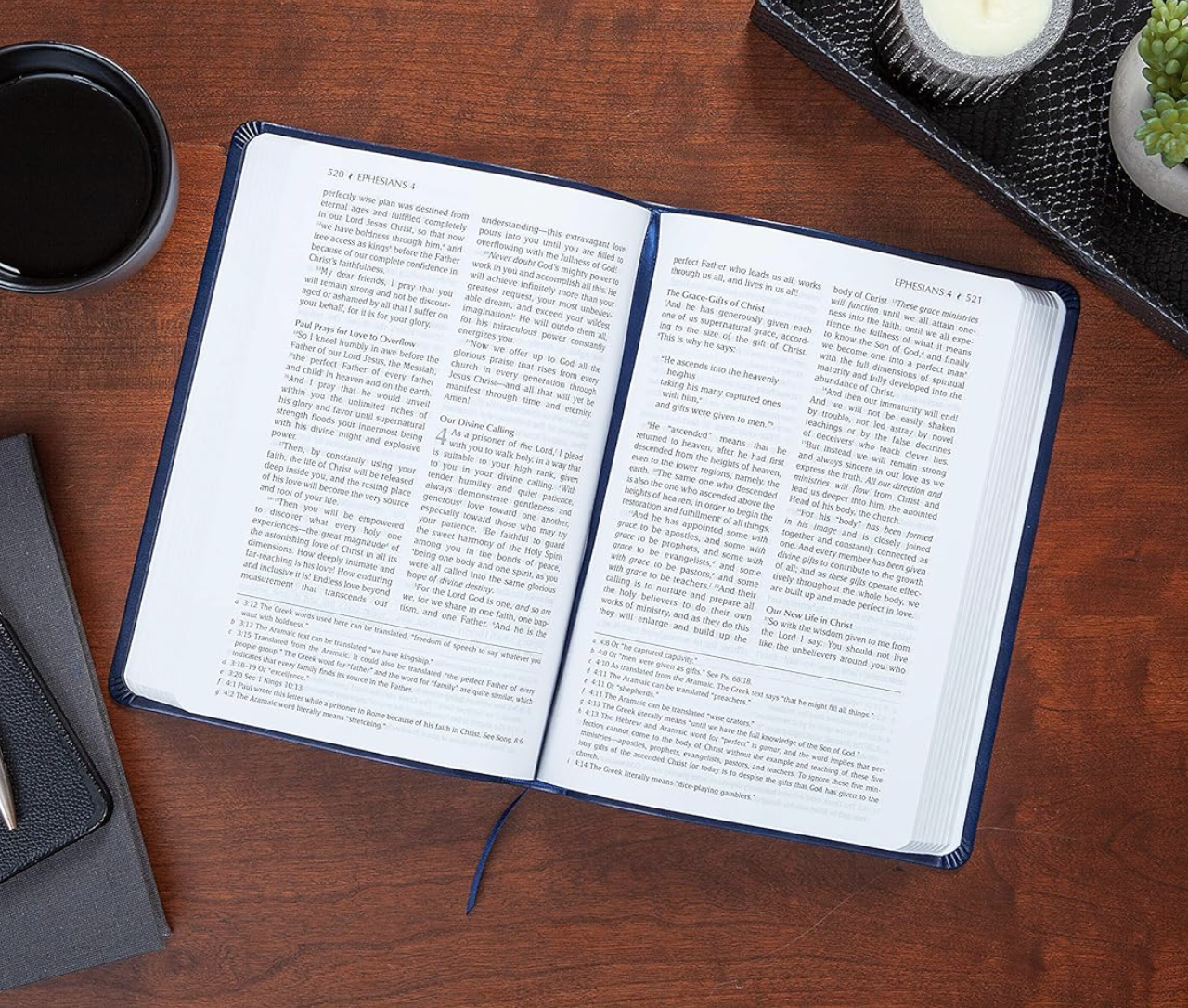
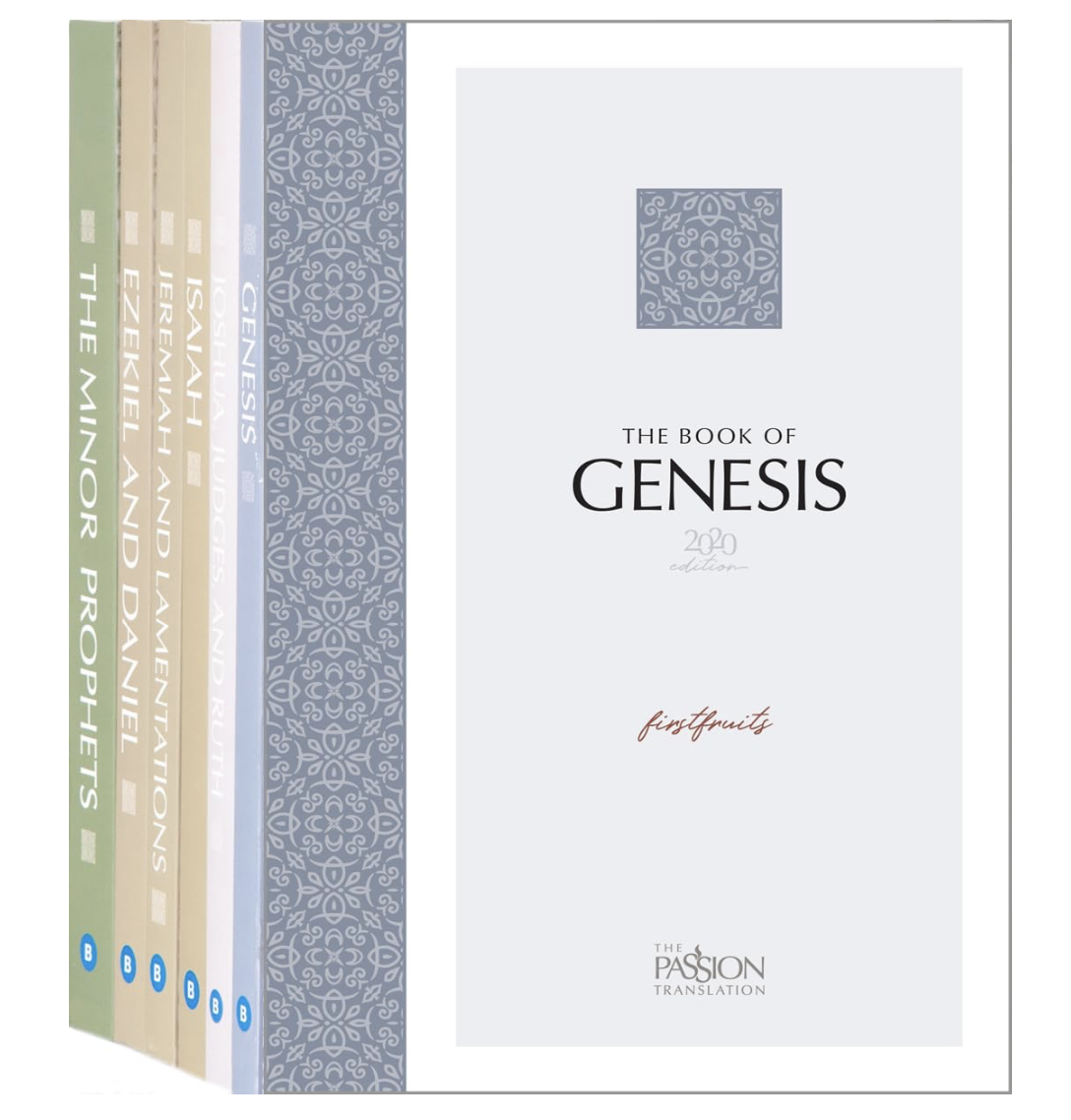
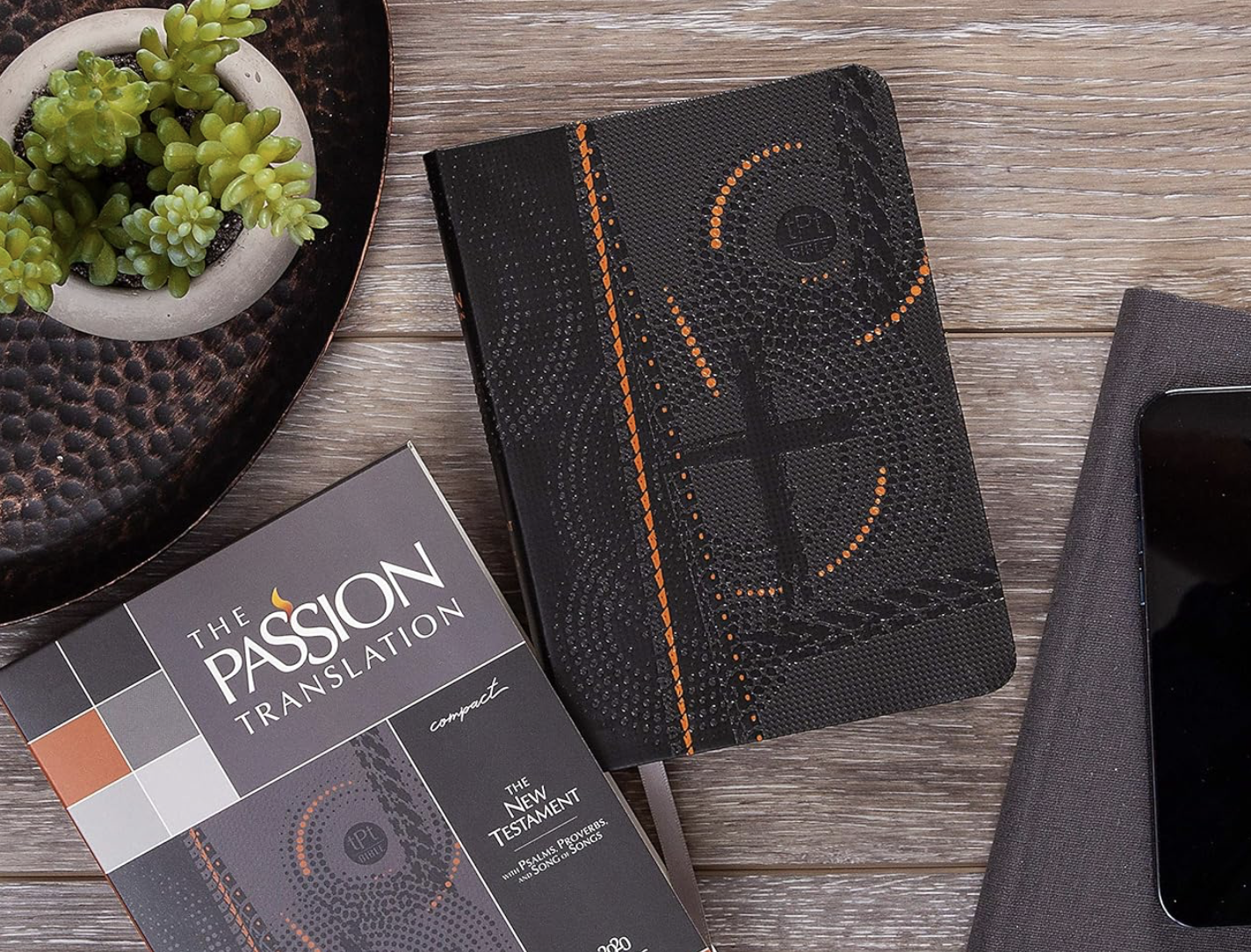
📖 The Passion Translation (TPT)
This is one of Colette's favorites in the paraphrase category. The Passion Translation is rich, poetic, and deeply worshipful. Every time she reads it alongside another version, the way it expands on a verse adds new layers of meaning and understanding.
Like The Message, this one is best used as a companion to your study Bible rather than a standalone source for doctrinal conclusions — but it is a beautiful read. (Click on the pictures to see details about each Bible.)
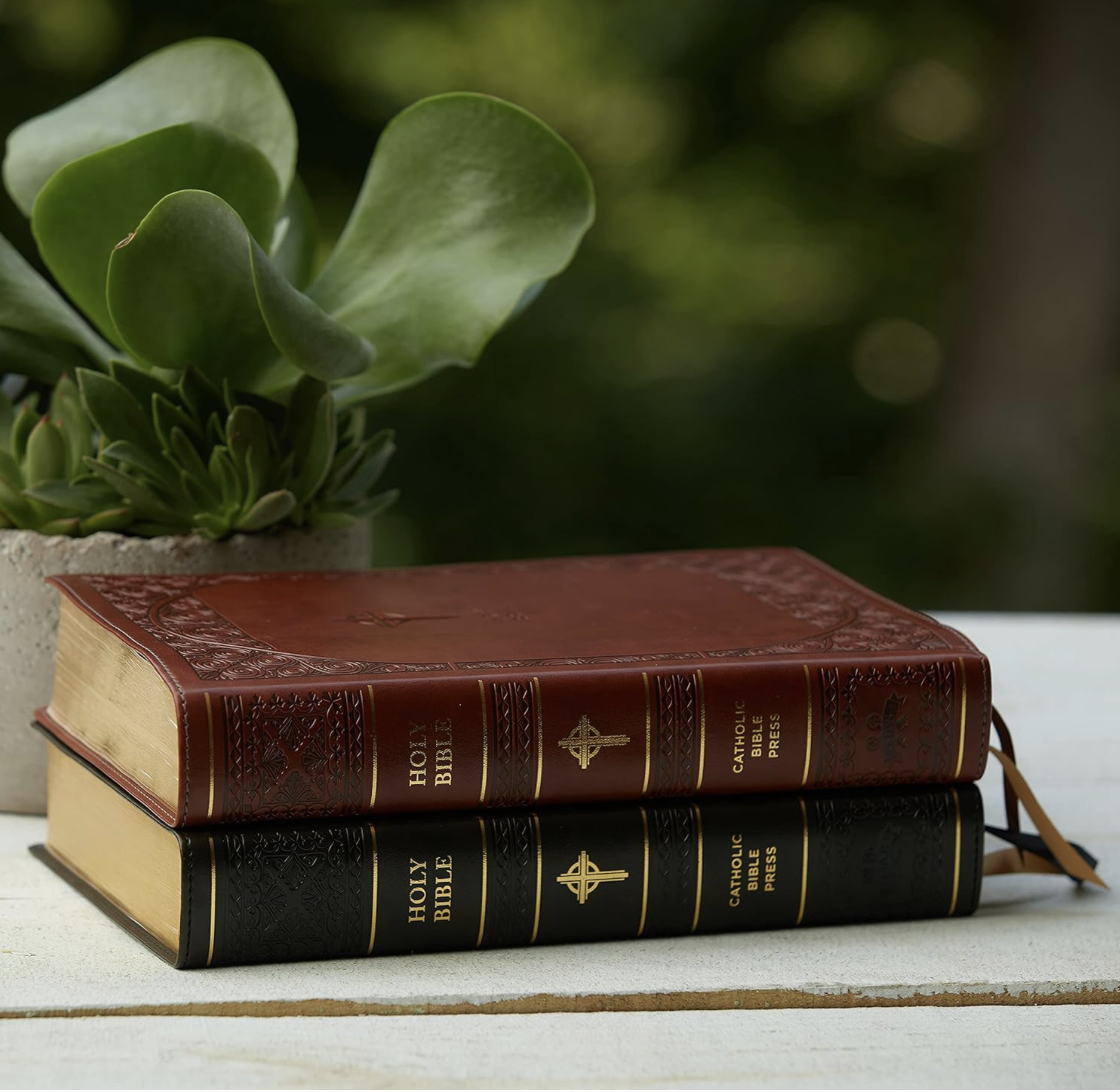
📖 Catholic Bible Editions
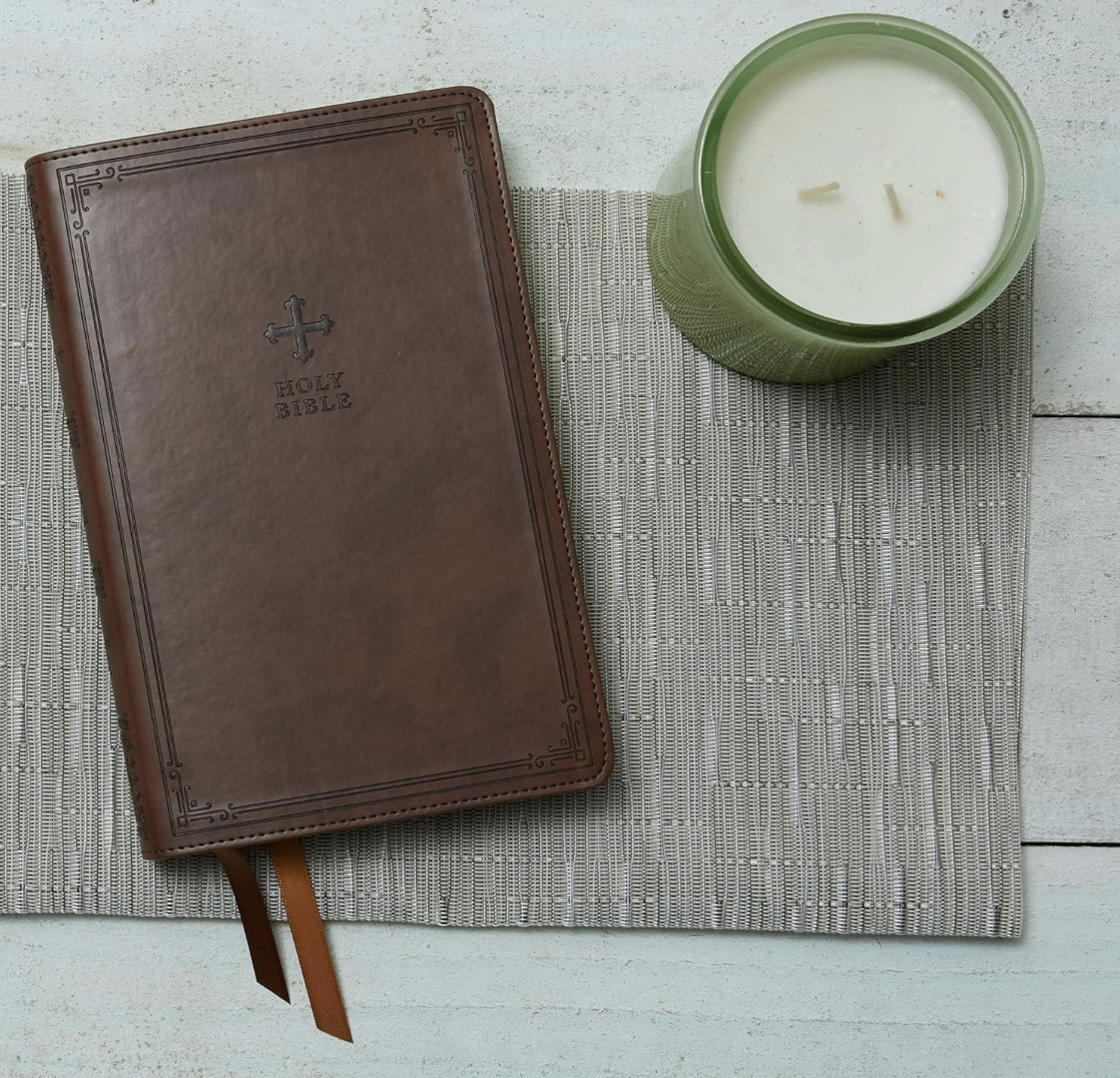
For our Catholic friends and family — welcome, we love you! Catholic Bibles include the Apocrypha, a set of additional books that Protestant Bibles generally do not include. The current standard for English-speaking Catholic churches is the New American Bible Revised Edition (NABRE), updated in 2011.
You'll also see a "-CE" (Catholic Edition) designation on certain versions of other translations — like the RSV-CE or ESV-CE — which have been adapted to align with the Catholic canon. Other than the inclusion of the Apocrypha, most of the biblical text is consistent with what all Christians hold dear.
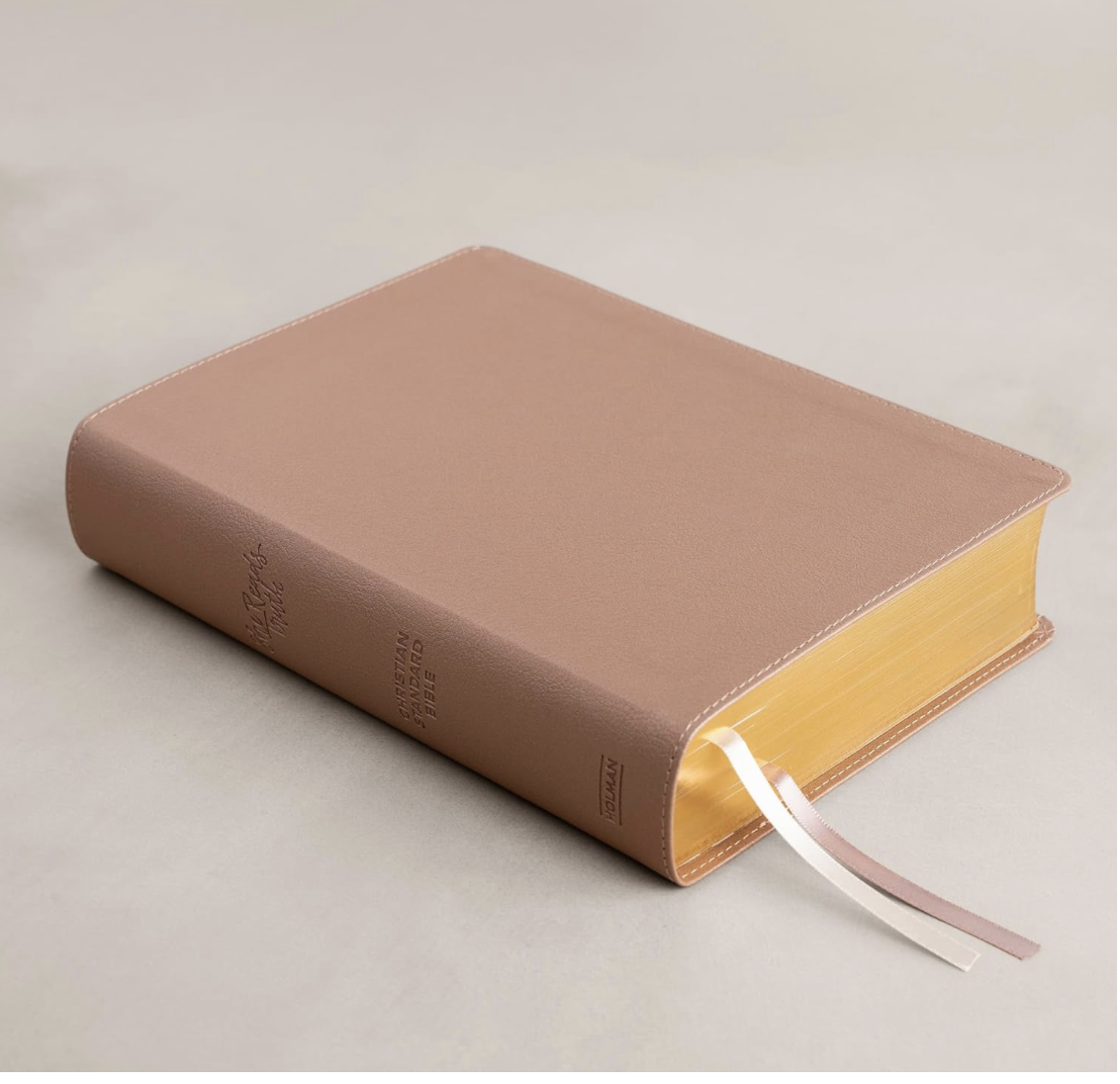
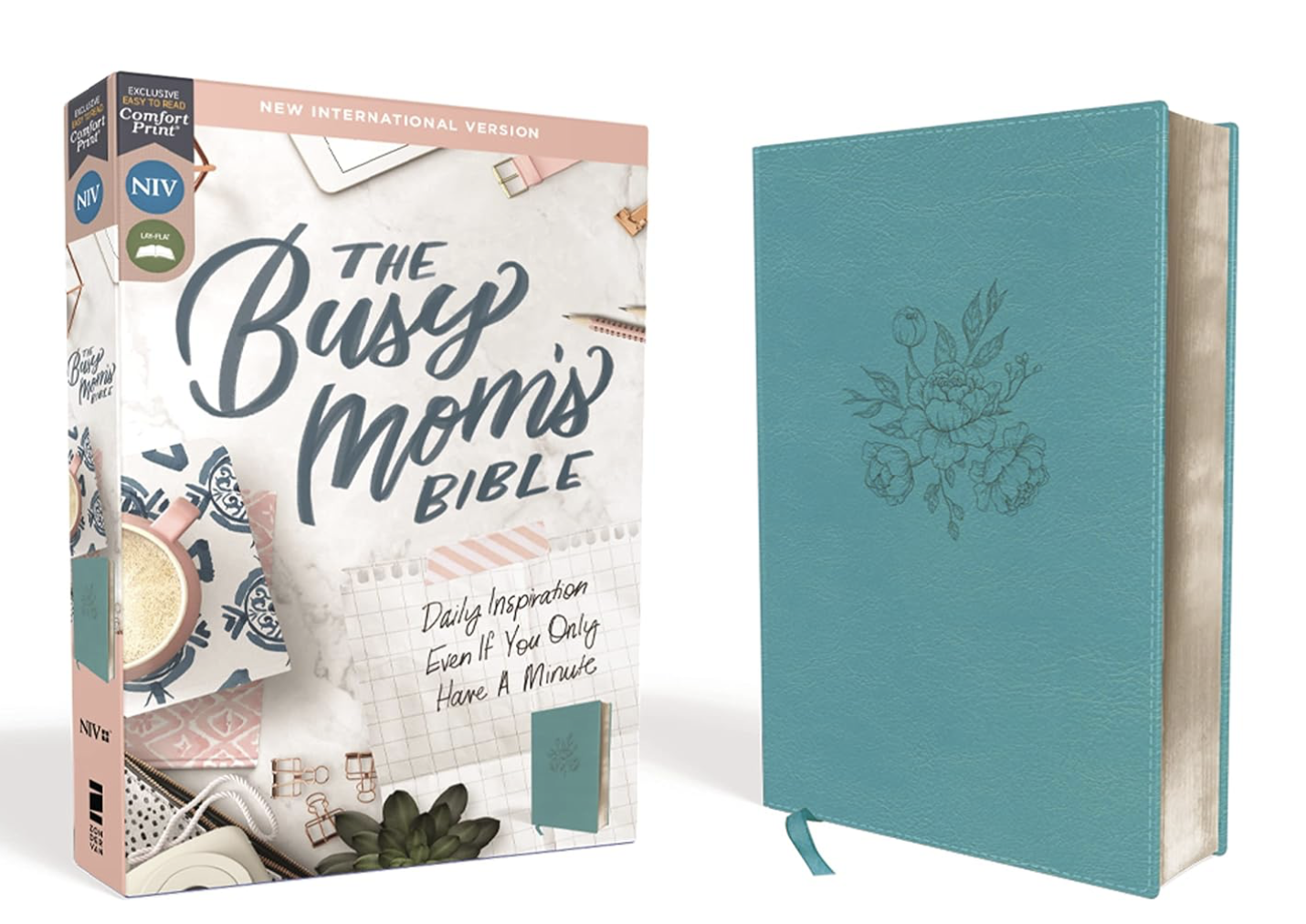
📖 Other Favorite Bibles
The Best Bible Tools & Apps
You don't have to carry a 4-translation Bible from 1972 to compare versions anymore (though that would be a great workout). Here are two free resources we love:
🖥️ BibleGateway.com — Access over 60 English translations and 200 languages online. It has a built-in search engine, so you can look up any verse in any version instantly. An incredible resource for study.
📱 YouVersion Bible App — Highlight a verse and instantly compare it across dozens of translations, including international versions. We've even pulled up the Albanian Bible to compare during a Bible study. It's free and it's powerful.
What Bible Should I Get My Kids?
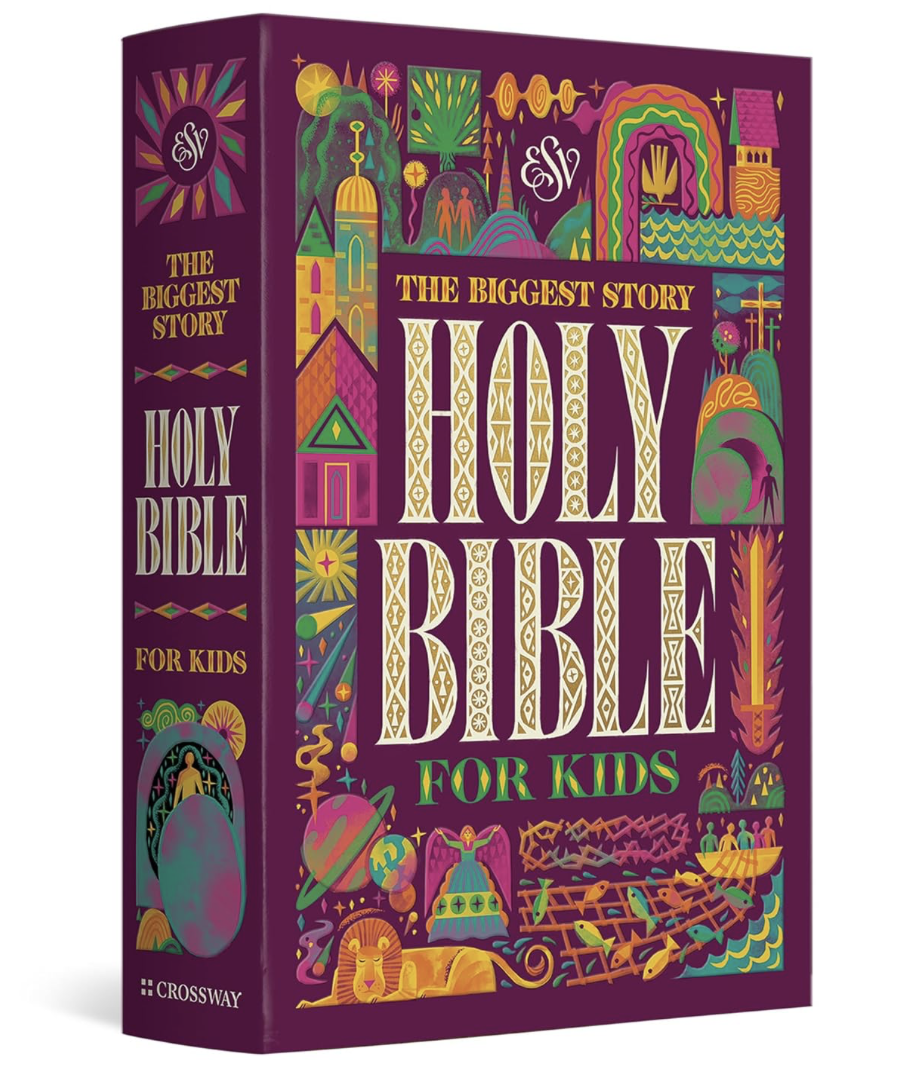
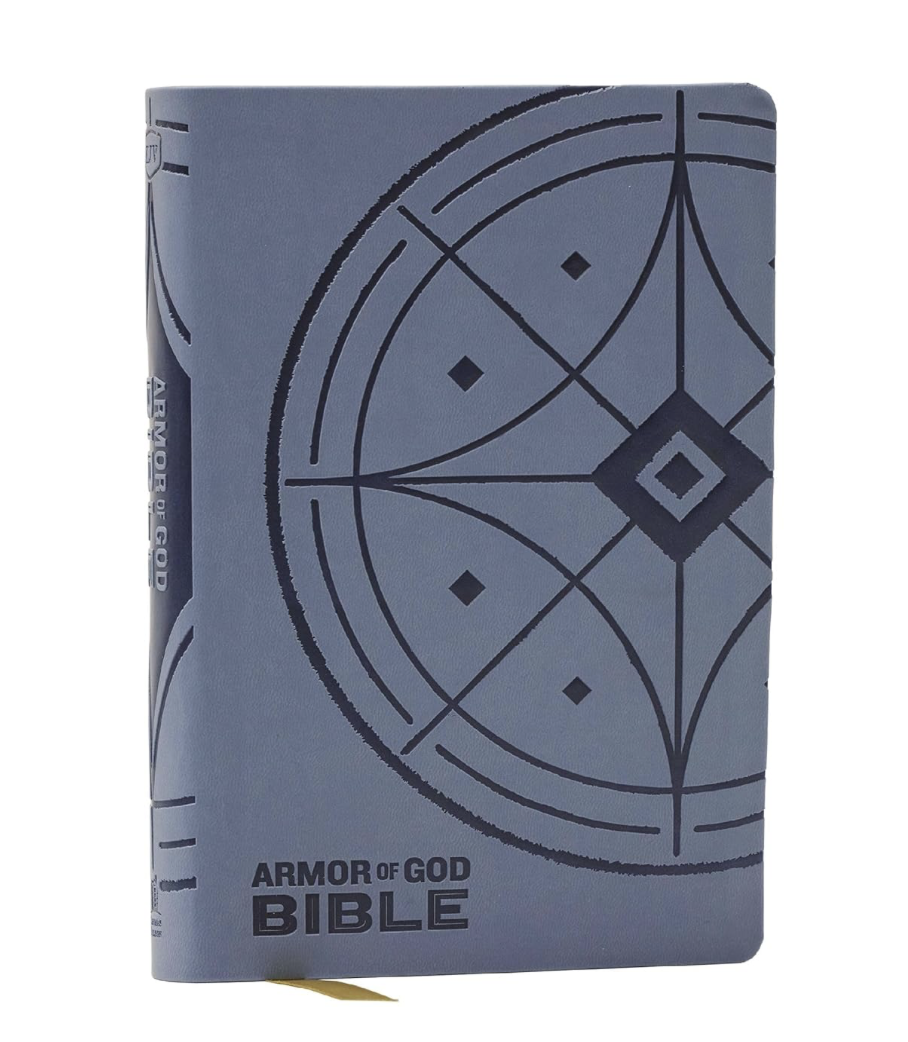
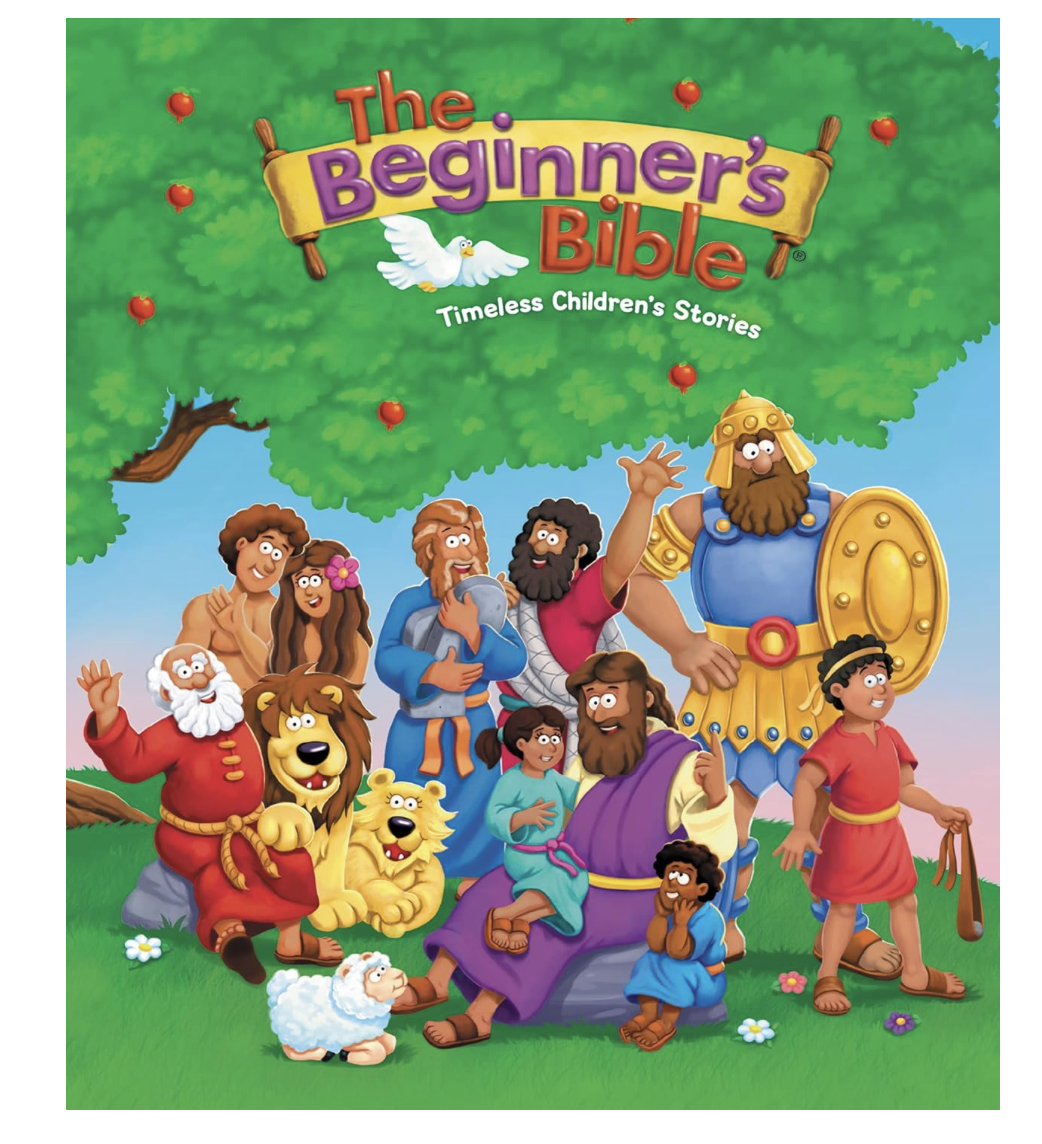
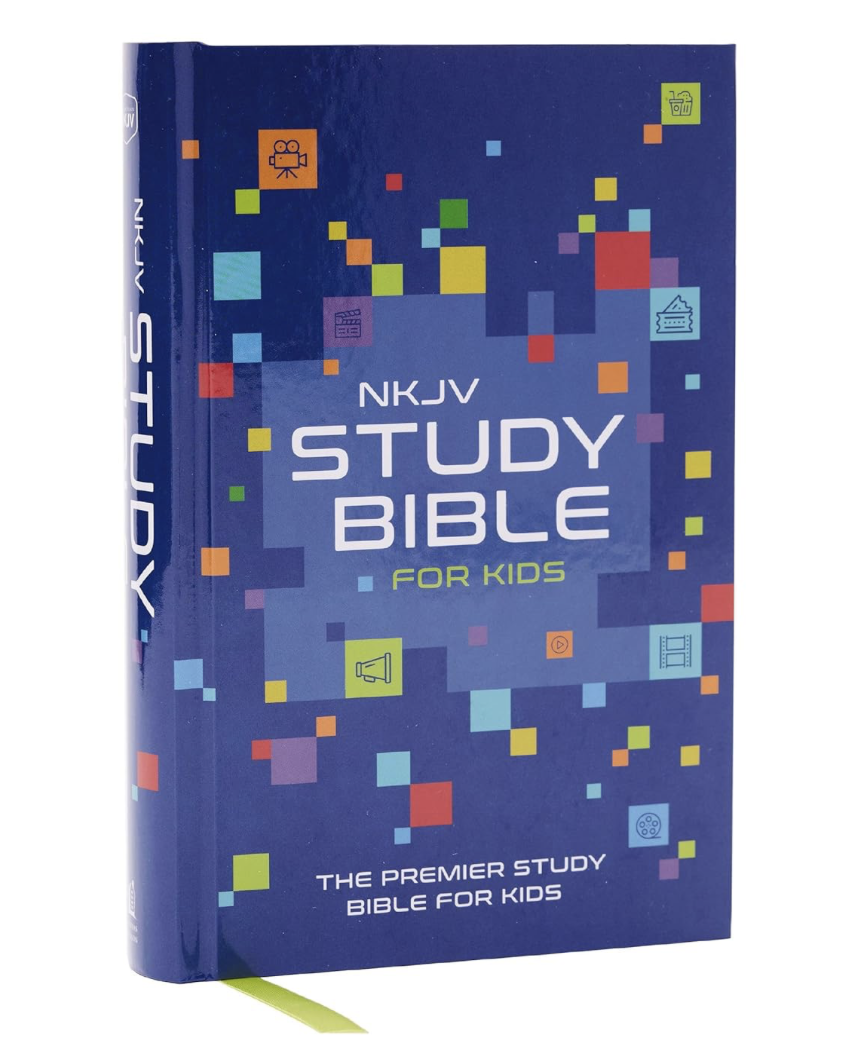
Don't overthink this one. The best Bible for your child is the one they'll actually want to open.
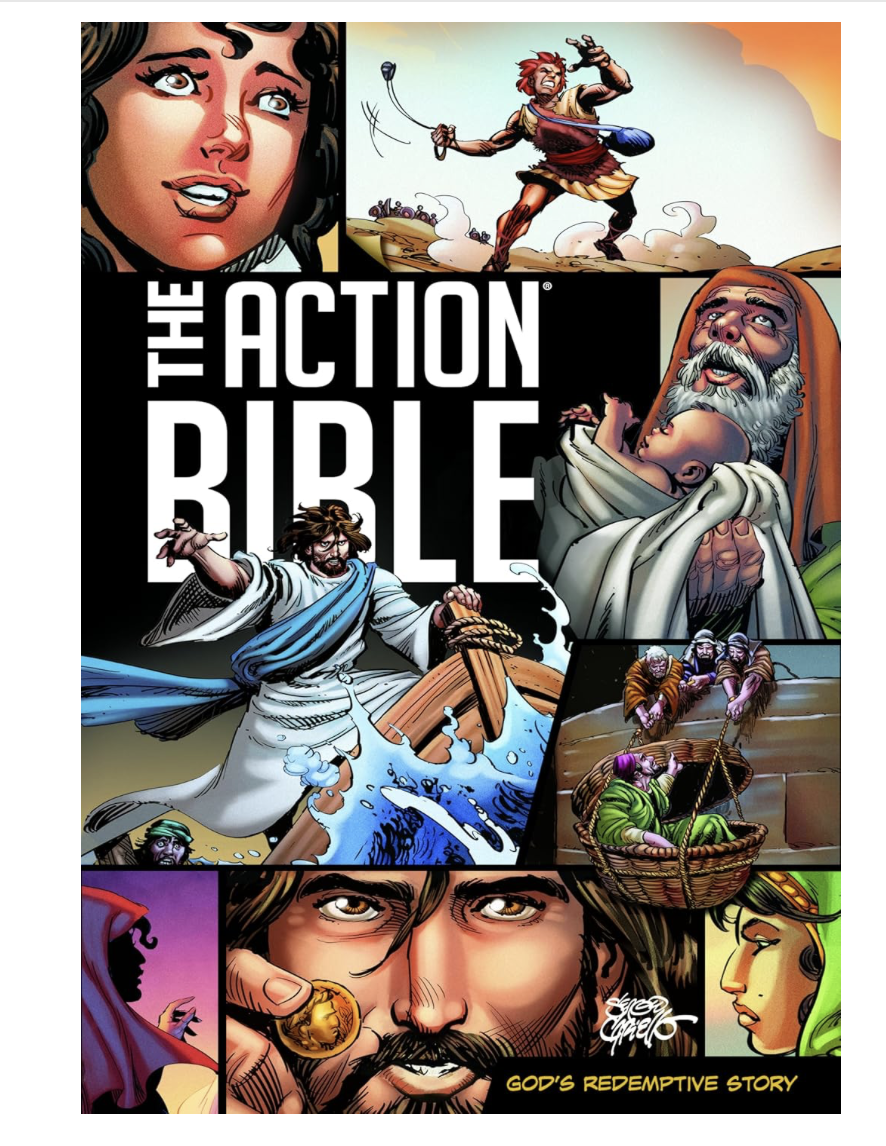
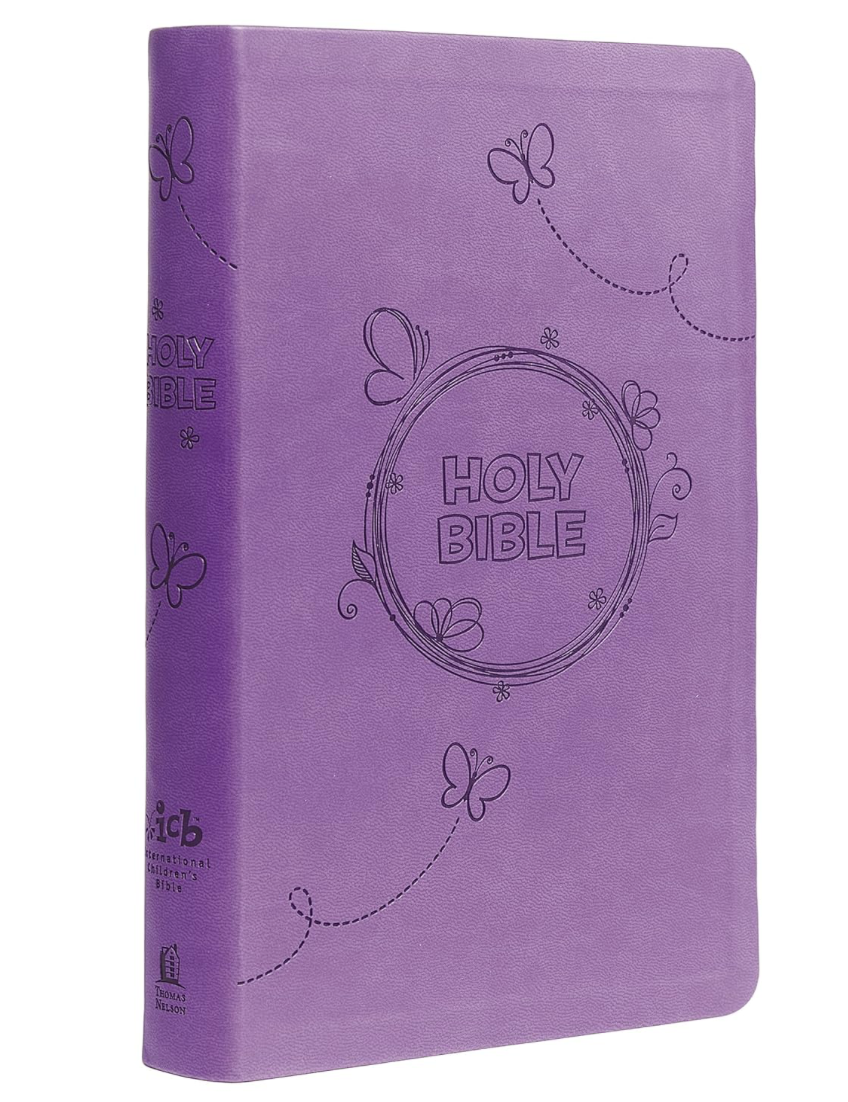
For little ones, don't be afraid of colorful illustrated Bibles and comic-style story Bibles. Getting your children excited about God's Word is the goal. The details can come later.
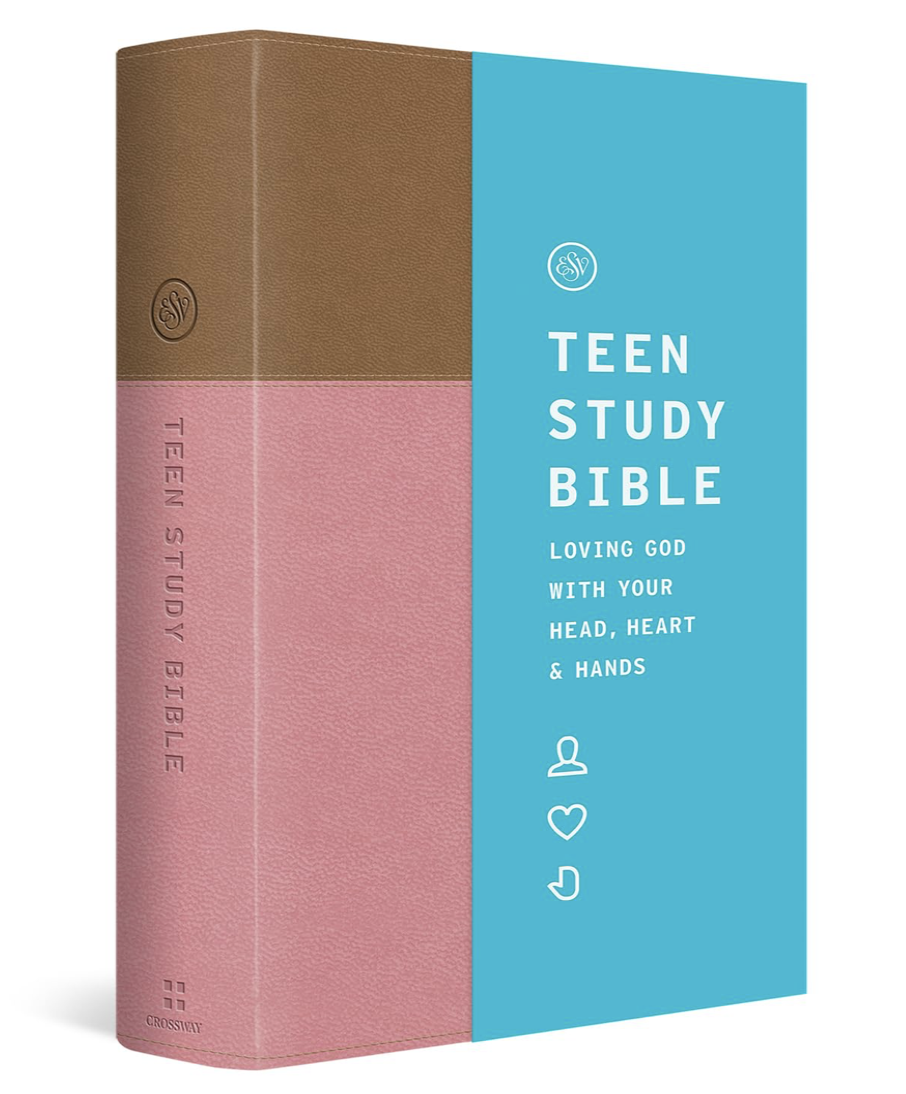
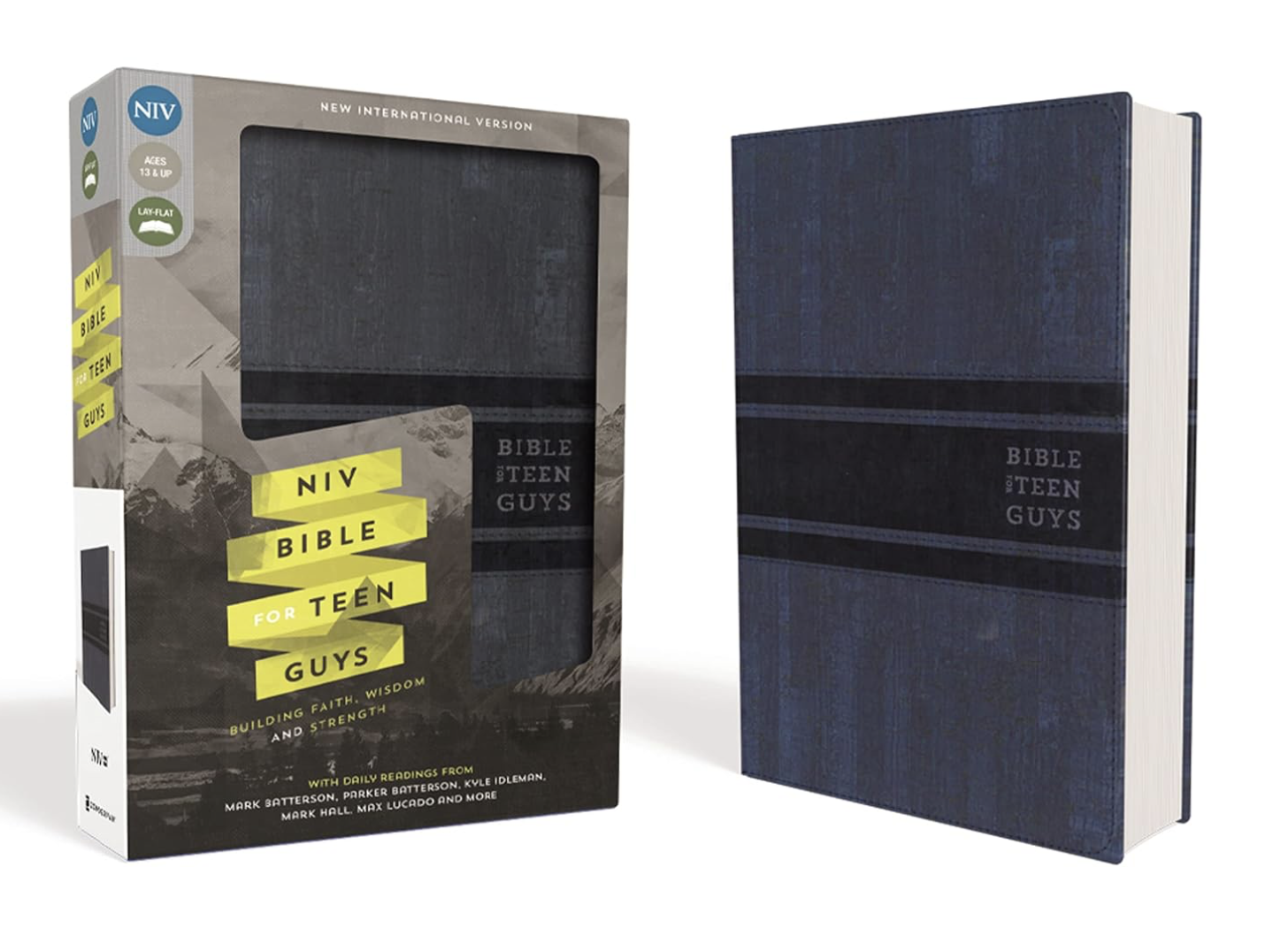
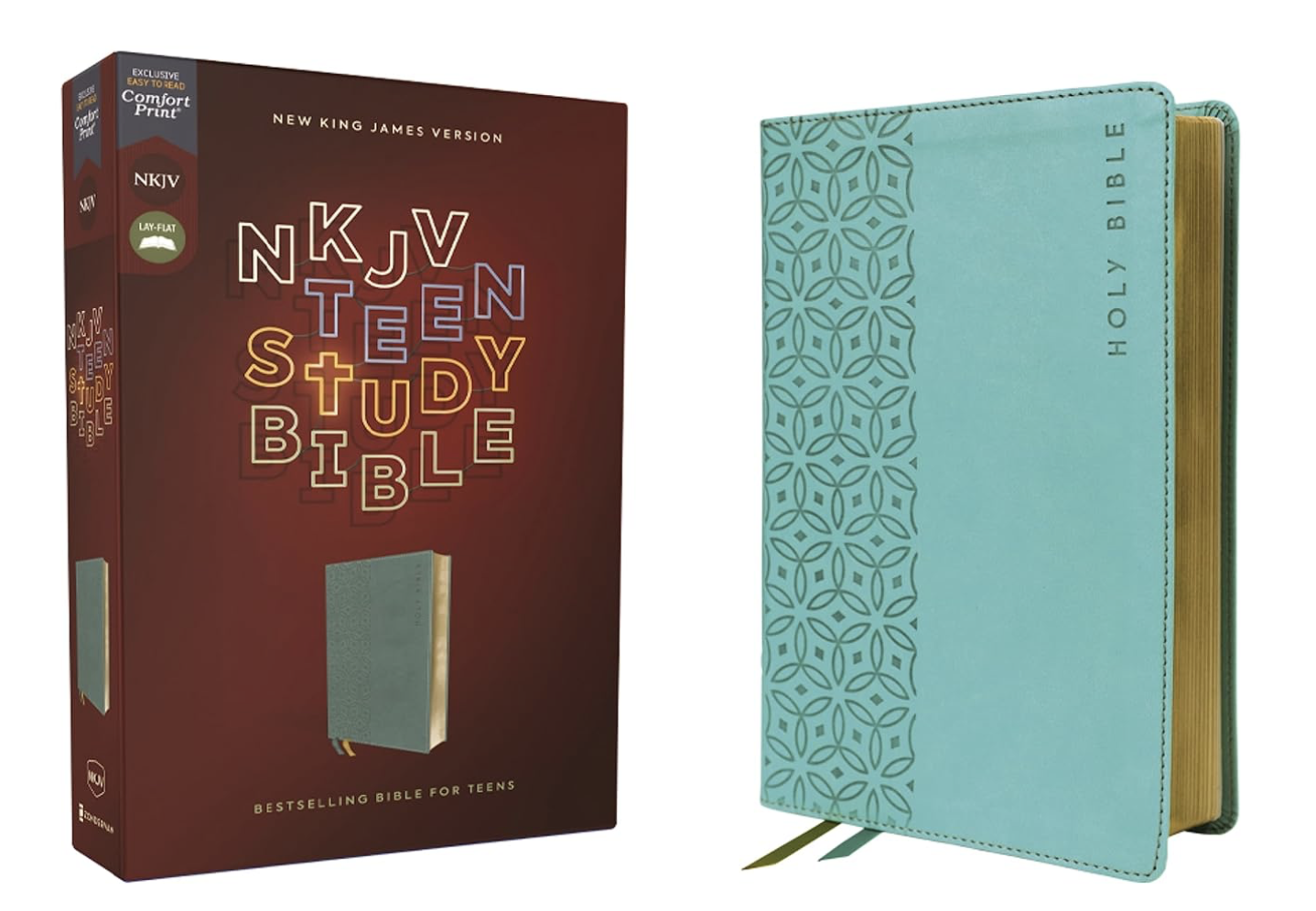
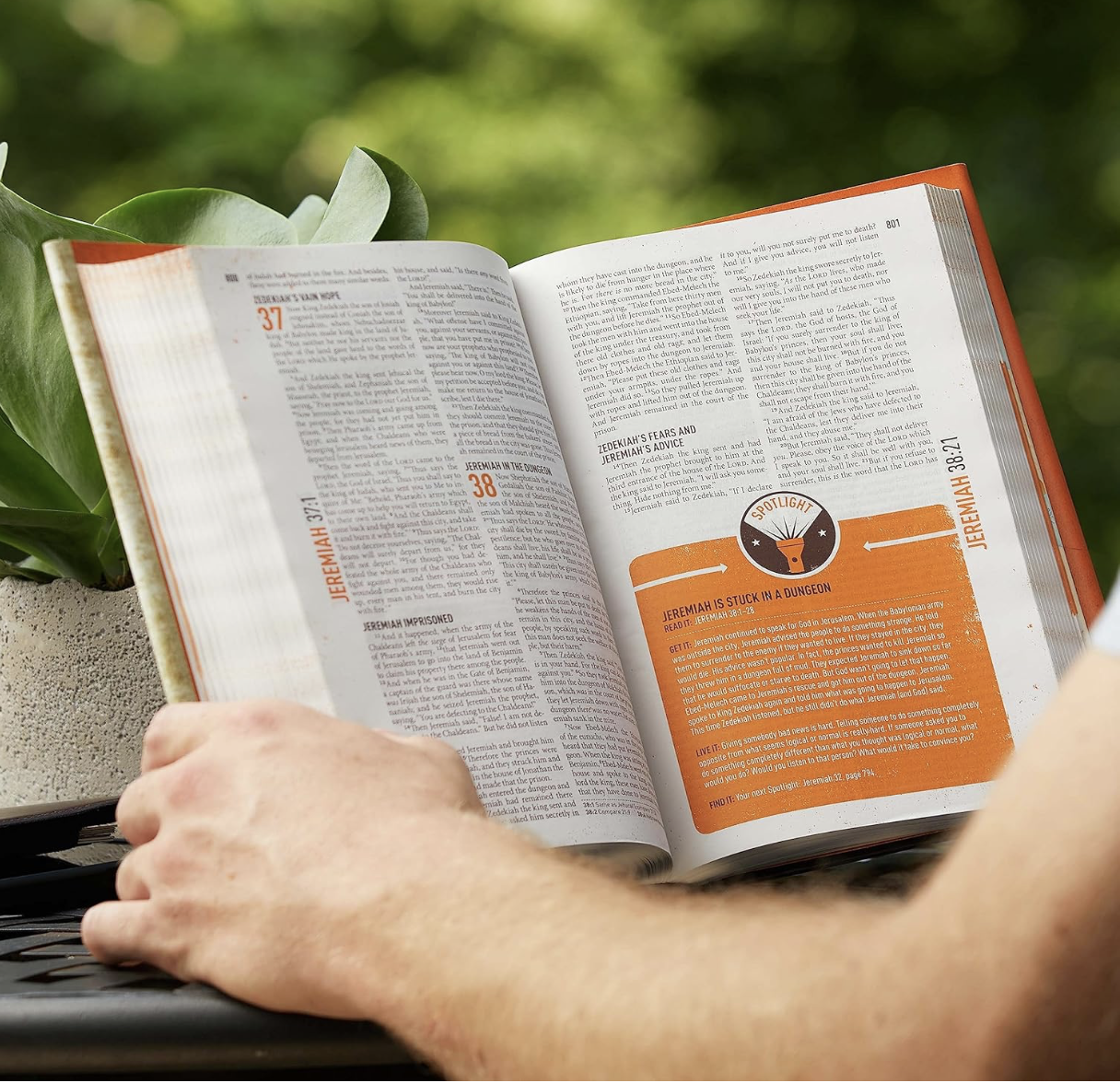
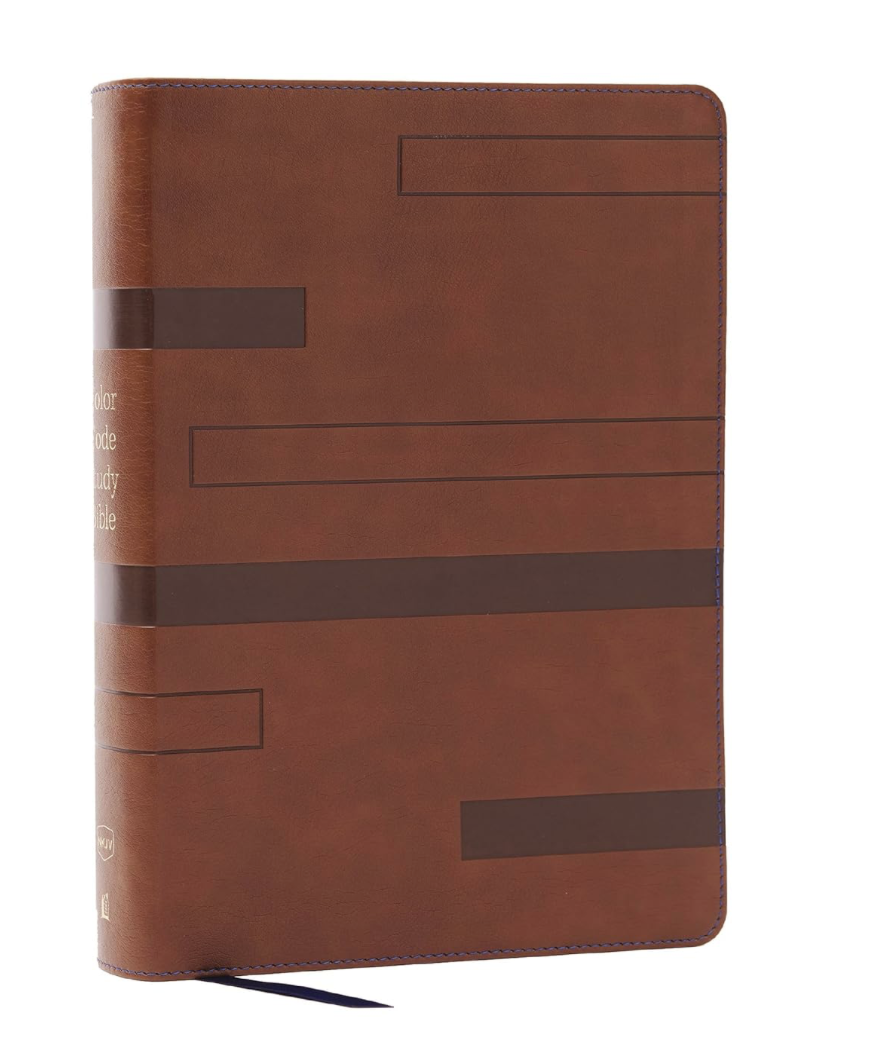
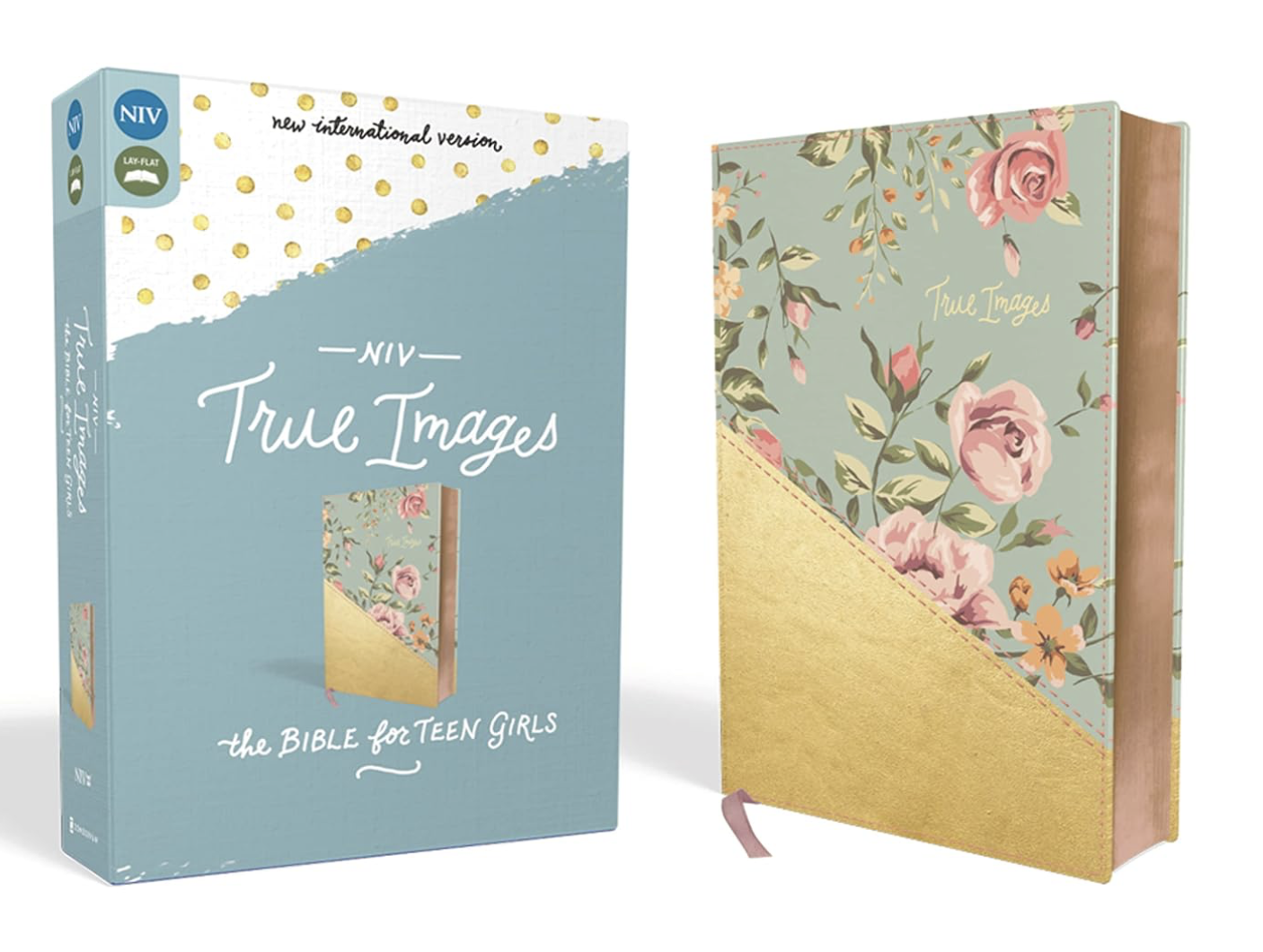
For teens, look for a teen-specific Bible in one of the readable translations (NIV or NLT are great choices) with devotional content, study notes, and some personality. Let them feel like it's theirs.
I still remember the feeling of holding my very first little New Testament as a little girl. Even though it was small and in King James and honestly a little hard to follow — there was something sacred about holding it. About knowing that this was God's Word, and He loved me.
We keep little New Testaments in our church nursery for that very reason. We hold them with the babies and say, "Jesus loves you." There really is something about the presence of God's Word, even before a child can understand it.
Can You Trust Your Bible?
Absolutely — and here are a few amazing facts to remind you of that:
There are over 5,000 Greek New Testament manuscripts that archaeologists have discovered.
There are over 10,000 Latin versions of Scripture in existence.
By comparison, Homer's Iliad — which we consider a classic historical text — has only about 1,700 copies. Aristotle's writings? About five original copies.
The Bible was written by 40 different authors across 1,500 years and contains one unified, consistent message pointing to Jesus Christ.
The Bible is the best-selling book of all time — and it has earned that distinction. You can trust it. It has been tested, debated, studied, and it stands. Every word of it.
We love our books, podcasts, and resources at Schaffer Ministries, but everything we create is designed to do one thing: point you back to the Bible. That is the source. That is where God speaks.
Ready to Find Your Bible?
Here's the simple takeaway: the best Bible is the one you will actually open. Start there. You can always add more versions as you grow.
We are cheering you on every step of the way.
🎧 Catch every episode of Bringing Hope Home on Apple Podcasts, Spotify, YouTube, and wherever you listen to podcasts.
📚 Shop our bookson our product page, including "Planted: A Guided Study to Produce a Peace-Filled Life," "Stolen Gifts," and "God Is Bigger: Scriptures and Prayers for the Cancer Journey."
💒 Strengthen your marriage with our Marriage Builders Course — a faith-based curriculum designed to help you build a marriage that lasts.
Bring hope home to your life today. 💛